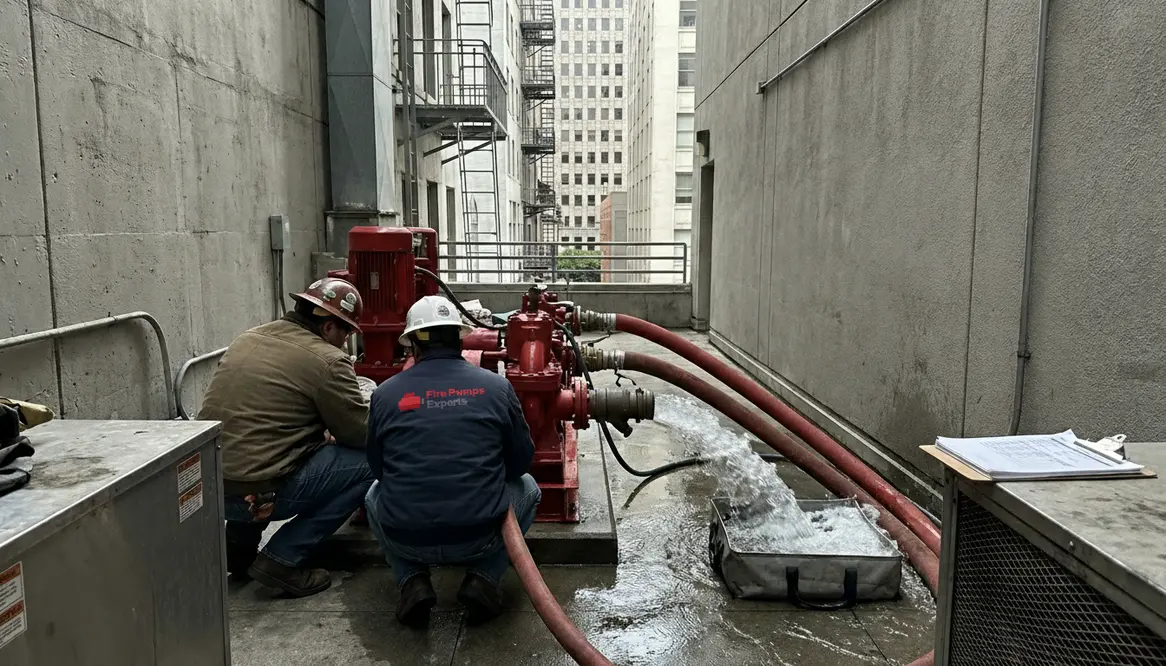
San Francisco Fire Pump Flow Test High Rise Prep
San Francisco fire pump flow test high rise preparation: what building teams need to know
I have spent years walking the mechanical rooms and service corridors of tall commercial buildings, and one truth always holds steady. When a fire pump test day arrives, the building either runs like a well rehearsed orchestra or it feels like the opening scene of a disaster movie. There is rarely an in between.
That is why san francisco fire pump flow test high rise preparation matters more than most property managers realize. A proper flow test is not just a compliance box to check. It is a live performance of your building’s fire protection system under real demand. If the pump fails, pressure drops, or valves stick, the consequences extend far beyond paperwork.
So in this guide I will walk you through how I prepare large commercial and industrial high rise properties for a fire pump flow test in San Francisco. We will cover planning, coordination, equipment readiness, and a few lessons learned the hard way. And yes, if you have ever watched water blast out of a discharge header at full capacity, you know it is both impressive and slightly terrifying.
San francisco fire pump flow test high rise preparation is really about making sure your building behaves on cue when the pressure is on, instead of improvising its own chaos.
Think of test day as the moment your fire protection system proves whether all those line items in the budget were worth it.
The real purpose behind a high rise fire pump flow test
Before any preparation begins, I always remind building teams why we perform the test in the first place. It is not just about passing an inspection.
A fire pump flow test proves that the pump can deliver the pressure and water volume required to protect the building during a real fire event. In tall structures, gravity works against us. Water must travel upward through dozens of floors while maintaining enough pressure for sprinklers and standpipes.
Because of that challenge, local codes and NFPA standards require periodic testing. During the test, we measure performance at different flow levels to confirm the pump operates within its design curve.
However, high rise properties introduce additional complexity. Large discharge volumes, multiple zones, and complex piping mean the test must be carefully coordinated. Otherwise the event can disrupt tenants, damage property, or trigger alarms across half the district. I have seen it happen, and trust me, the fire department does not enjoy surprise visits.
San Francisco fire pump flow test high rise preparation starts weeks before test day
Many people assume preparation begins the morning of the test. In reality, strong planning starts weeks ahead.
First, I review system documentation. Pump curves, previous test results, and equipment specifications tell me what the system should produce. This baseline matters because it helps identify performance decline early.
Next, I coordinate with building operations. High rise commercial facilities often contain offices, data centers, or industrial equipment that cannot tolerate unexpected water discharge or pressure fluctuations. Therefore scheduling must avoid peak occupancy whenever possible.
Then we inspect critical components.
Fire pump controller
Suction and discharge gauges
Relief valves
Test header and discharge piping
Backflow preventers
If anything looks questionable, we correct it before the official test. After all, test day should reveal system performance, not maintenance problems we could have fixed earlier.
Finally we notify tenants and relevant departments. A high rise test can produce significant noise and water flow. Without proper communication, someone inevitably assumes the building is flooding or on fire. Neither rumor spreads calmly in a commercial tower.
Key systems I inspect during high rise pump testing
Mechanical components
Fire pump motor or diesel engine condition
Controller startup sequence
Suction supply stability
Pressure gauges calibration
Cooling lines and lubrication
Building infrastructure
Standpipe zones and pressure regulators
Drainage capacity for discharge water
Electrical supply reliability
Alarm monitoring connections
Access routes for technicians
This two sided inspection matters because a pump does not operate in isolation. It lives inside a much larger ecosystem of pipes, valves, electrical supply, and monitoring systems. When any part struggles, the entire fire protection chain weakens.
Also, I always double check the discharge path. A full capacity pump can release hundreds or thousands of gallons per minute. If drainage is inadequate, you can accidentally create the most enthusiastic indoor water feature in downtown San Francisco. And while fountains are charming in city plazas, they are less appreciated in electrical rooms.
How I coordinate a safe flow test in a busy commercial tower
Once equipment checks out, coordination becomes the main challenge.
First, I gather the key players. That includes the property manager, building engineers, fire protection technicians, and sometimes local authorities depending on the facility. Clear roles prevent confusion during the test.
Next, we stage equipment. Flow meters, pitot gauges, hoses, and communication devices must be ready before the pump starts. When water begins moving, events unfold quickly.
During the test, we gradually open discharge valves to reach different flow points. At each stage we measure pressure and flow, then compare the readings to the pump curve.
Meanwhile, I keep a close eye on vibration, noise, and temperature. Pumps often tell their story through sound. A smooth hum signals stability. A harsh rattle suggests something inside would rather not be working today.
Additionally, we monitor building alarms. Because sprinkler and standpipe systems connect to monitoring networks, unexpected signals can trigger alerts. Proper coordination prevents unnecessary emergency responses.
All of this is part of effective san francisco fire pump flow test high rise preparation. When planning is solid, the entire process moves with calm precision instead of frantic radio chatter.
Common high rise testing mistakes I see too often
Even experienced teams sometimes overlook simple issues. Over the years I have noticed several patterns.
First, teams underestimate water discharge planning. High rise pumps move enormous volume, and without proper routing that water can overwhelm drains or flood exterior areas.
Second, gauge accuracy often gets ignored. If gauges read incorrectly, the entire performance analysis becomes unreliable. Calibration should never be an afterthought.
Third, some facilities forget the electrical side of the system. Electric fire pumps depend on stable power and properly functioning controllers. I always confirm transfer switches and breakers are ready.
Finally, documentation frequently receives minimal attention. However, accurate records prove compliance and help track long term system health. When future technicians review past results, clear data becomes incredibly valuable.
Good san francisco fire pump flow test high rise preparation avoids these problems entirely. Preparation replaces panic, which is always a good trade.
What results to expect from a properly functioning fire pump
When everything operates correctly, the pump meets or slightly exceeds its rated pressure at 100 percent flow. At churn conditions pressure will usually be higher, while at peak flow it remains within acceptable tolerance.
More importantly, the system should run smoothly without overheating, cavitation, or unstable pressure swings. A steady performance curve tells us the pump is ready for a real emergency.
And frankly, there is a certain satisfaction in watching a powerful piece of equipment perform exactly as designed. It is the mechanical equivalent of a perfectly tuned orchestra. Except louder. Much louder.
When to bring in outside fire pump specialists
Not every building team has deep experience with complex high rise fire pump systems. That is where outside experts come in. If your pump data has started drifting, if tenants keep reporting pressure issues on upper floors, or if you simply have not seen a full test in several years, it is time to get help.
Specialists who live and breathe fire pumps can look at your test curves, your mechanical layout, and your historical data and quickly spot trouble. They can also align your program with NFPA 25 requirements and local expectations so that inspection season does not feel like an ambush.
If you want a solid reference on how testing programs are structured and what good maintenance looks like, it is worth reviewing resources like Kord Fire Protection’s overview of fire pump service and inspection schedules. Comparing your current routine against a well run program is an easy way to spot gaps before they show up on a test report.
FAQ: high rise fire pump flow testing
Conclusion
When done correctly, san francisco fire pump flow test high rise preparation protects people, property, and the reputation of your building operations team. More importantly, it confirms that your fire protection system will respond when it matters most. If you manage a commercial or industrial high rise in San Francisco, work with experienced specialists who understand large scale pump systems. Plan ahead, test thoroughly, and keep your building ready long before an emergency ever knocks on the door.