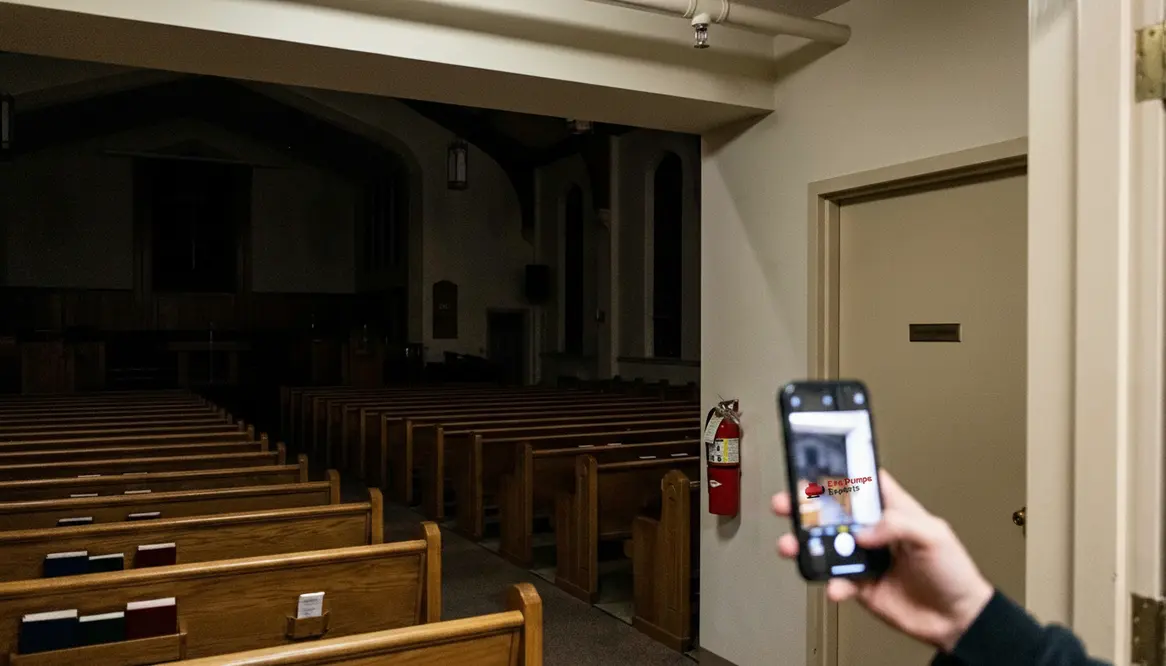
Fire Pump Requirements for Churches Guide
I have spent enough time walking through large sanctuaries and packed event halls to know one thing for certain. When the lights dim and the crowd settles in, fire safety should already be working quietly in the background. That is where Fire Pump Requirements for Churches enter the conversation early. Not as a footnote, but as a backbone. In commercial scale worship and event occupancies, these systems are not optional details. They are the difference between control and chaos. So, let us take a steady walk through what actually matters, with a clear head and maybe a small chuckle along the way.
Think of these systems as the infrastructure supporting every gathering, from quiet midweek services to full-blown concerts. People notice the lighting, the sound, the stage, and the music. They rarely notice the water supplies, control valves, and pumps working behind the scenes. Yet those quiet details are what allow everything else to happen safely, without turning a moment of celebration into a moment of crisis.
What makes fire safety different in worship and event spaces?
High-responsibility environments
Worship centers and event venues are not your average buildings. They gather people in large numbers, often in dim lighting, sometimes with amplified sound that could drown out early warning signs. Therefore, I treat them as high responsibility environments.
Because of that, fire protection systems must respond fast and without hesitation. Sprinklers, alarms, and yes, systems aligned with fire pump requirements for religious facilities, all work together. However, unlike an office where people are spread out, here you have concentrated occupancy. That means evacuation planning and water supply must be stronger and more reliable.
Crowds, acoustics, and distractions
And let us be honest. When a choir hits a high note, nobody wants the fire alarm trying to compete like it is auditioning for a talent show. The reality is that people are focused on the platform, the message, or the performance, not on exits and evacuation routes. That puts extra pressure on system design to be both robust and forgiving when people are slow to react.
Fire Pump Requirements for Churches and Large Event Buildings
The quiet bodyguards of the building
I like to think of fire pumps as the quiet bodyguards of a building. You rarely notice them, but when pressure drops, they step in immediately. In large worship facilities and event venues, municipal water pressure alone often cannot meet demand. That is where Fire Pump Requirements for Churches become critical.
These systems ensure that sprinklers receive consistent pressure across expansive spaces. Additionally, they support standpipe systems used by fire departments during emergencies. Without them, even the best designed sprinkler network can fall short.
Beyond installation: the maintenance reality
Moreover, compliance is not just about installation. Regular testing, maintenance, and performance verification are part of the expectation. I have seen too many systems installed beautifully, only to be ignored like gym memberships in February.
The most reliable facilities treat Fire Pump Requirements for Churches as a living checklist, not a one-time project file. Logs are updated, tests are documented, and someone is actually responsible for making sure that when the pump is needed, it does not respond with a dramatic pause.
How do I design a fire protection system for a large sanctuary?
Start with people, then build to systems
I start with the basics, then build upward with precision. First, I evaluate occupancy load. Next, I consider ceiling height, stage design, and any special effects like lighting rigs or theatrical elements. These details shape sprinkler placement and water demand.
Then, I factor in redundancy. Because in large properties, failure is not an option. This is where church fire pump standards guide decisions about pump capacity and backup power. If the power goes out, the system must still perform.
Codes, standards, and staying predictable
Finally, I coordinate with local codes and national standards. While creativity may belong on stage, fire protection design sticks to proven rules. Seating layouts, balcony configurations, and even the way curtains or scenic elements are used all tie back to how well the system can actually control a fire scenario in the moments when it matters most.
Balancing Safety Systems with Real World Use
Spaces that keep changing the rules
Now here is where things get interesting. Worship and event spaces are not static. They host concerts, conferences, and community gatherings. Each setup introduces new risks.
Therefore, I always recommend adaptable systems. For example, movable seating and temporary stages should never block sprinkler coverage or exits. Additionally, fire alarms must remain audible even during loud events.
Operational focus
- Clear exit paths
- Routine staff training
- Regular system inspections
System performance
- Consistent water pressure
- Reliable pump activation
- Code compliant alarm integration
These two sides must work together. Otherwise, even the best equipment cannot compensate for poor planning.
Fire Pump Requirements for Churches in High Capacity Facilities
Scaling up for growing campuses
When capacity increases, so does complexity. Large campuses with multiple buildings or multi purpose halls require more advanced coordination. In these cases, Fire Pump Requirements for Churches often include multiple pumps or zoned systems.
Additionally, I consider future growth. Because let us face it, no one builds a large worship center expecting it to stay small. Planning ahead ensures that systems can expand without major redesign.
Handling peak demand without weak spots
Another key factor is reliability under stress. During peak events, water demand can spike. A properly designed fire pump system ensures that pressure remains stable across all areas. No weak spots, no surprises.
Facilities that treat Fire Pump Requirements for Churches as a strategic design decision end up with systems that feel almost invisible during use, yet absolutely dependable in an emergency. That is the balance every large sanctuary or event hall should be aiming for.
Common Mistakes I See and How to Avoid Them
Where good intentions go sideways
Even well intentioned projects can miss the mark. One common issue is underestimating water demand. Another is skipping routine testing. Both can compromise safety.
Additionally, some facilities treat fire protection as a one time project. In reality, it is an ongoing commitment. Systems age, usage changes, and standards evolve.
A proactive mindset pays off
So, I always advise a proactive approach. Schedule inspections. Test pumps regularly. Update systems when needed. It is far easier to maintain readiness than to recover from failure.
And if someone tells you testing is optional, I would smile politely and then walk the other way. Quickly.
FAQ: Fire Safety for Worship and Event Occupancies
Final Thoughts and Next Steps
Fire safety in worship and event occupancies is not about checking boxes. It is about protecting people in moments that matter. If your facility operates at a commercial or large property scale, now is the time to review your systems, verify your fire pump performance, and plan ahead.
Treat Fire Pump Requirements for Churches as part of your long-term strategy, not just a line item on a construction budget. Connect with professionals who understand these environments and build protection that stands ready, quietly and confidently, every single day.