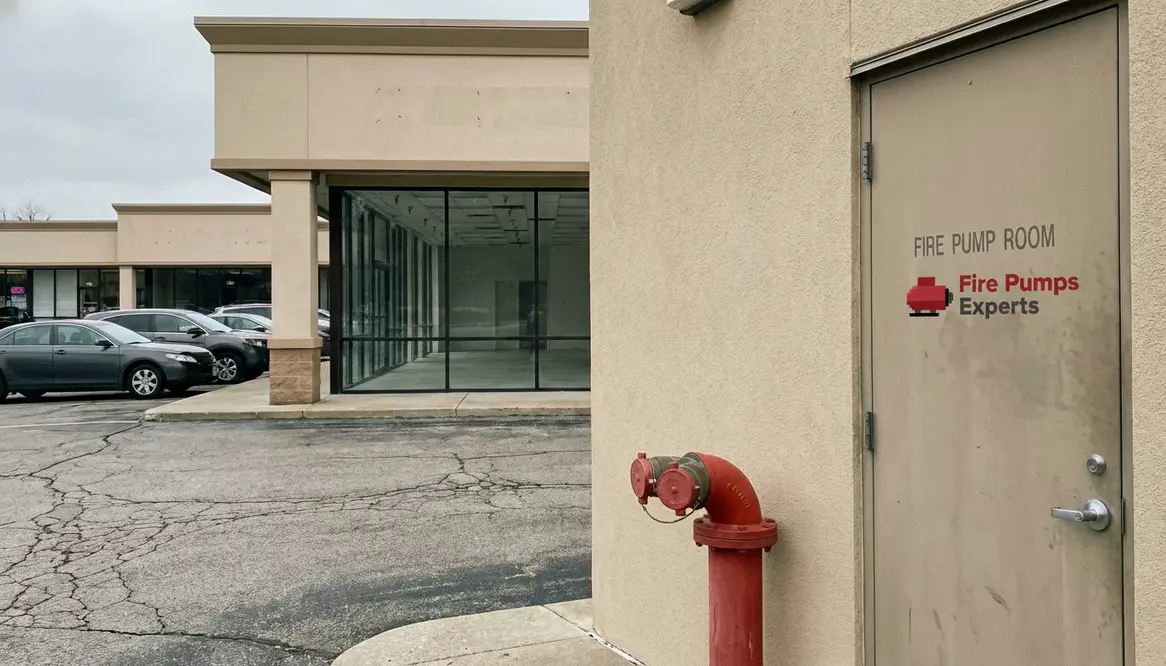
Strip Mall Fire Pump Systems for Retail Safety
Fire does not care if a building is modest or massive. In smaller retail developments, protection must work quietly in the background, ready the second it is needed. That is where strip mall fire pump systems step into the spotlight, whether anyone notices them or not.
I have walked through enough smaller retail developments to know one thing for sure. Fire does not care if your building is modest or massive. It shows up uninvited and overstays its welcome. That is exactly why I always bring up strip mall fire pump systems early in the conversation. Within the first few minutes, actually. Because in these compact commercial spaces, the margin for error is thin. And when protection is done right, it feels almost invisible. Quiet. Reliable. Like a good bass line in a jazz track. You do not notice it until it is gone.
So let us take a calm, steady walk through what real fire protection looks like for smaller retail properties, and why it deserves just as much attention as the big box giants down the road.
What does fire protection look like for smaller retail developments?
I will answer this the way I would on site. Clearly and without fluff. Fire protection here is not just sprinklers and alarms. It is a coordinated system that includes water supply, pressure management, detection, and response timing. Each piece supports the other.
First, I focus on water delivery. A system without proper pressure is like a superhero without powers. Looks good, does nothing. That is where well designed fire pump solutions step in. They ensure water moves fast and with force, even in buildings where municipal supply falls short.
Then, I look at layout. Smaller retail spaces often share walls, utilities, and sometimes questionable design choices from decades past. Because of that, fire can travel quickly. So, zoning and compartmentalization become critical.
Finally, I consider reliability. Not just installation, but maintenance. Because a system that fails during a fire is not a system. It is a decoration.
Core components at a glance
- Reliable water supply and delivery
- Pressure boosting with properly sized pumps
- Detection, notification, and alarms
- Compartmentation to slow fire spread
- Ongoing inspection, testing, and maintenance
Why “small” does not mean “simple”
Shared walls, mixed occupancies, and tight back of house spaces mean a single fire can threaten several businesses in minutes. That is exactly why strip mall fire pump systems need to be treated as critical infrastructure, not an afterthought bolted on at the end of a project.
Designing systems that actually match real world retail risks
Now here is where things get interesting. Smaller retail developments come with unique challenges. Think restaurants next to clothing stores. Or a salon beside a convenience shop packed with flammable goods. It is like putting a candle next to a fireworks stand and hoping for the best.
Because of this, I always push for tailored system design. Not cookie cutter plans. Not guesswork.
For example, kitchens demand higher suppression capability. Meanwhile, storage heavy units need extended coverage and reliable pressure. So, I design systems that account for these differences while still operating as a unified whole.
In addition, I ensure the fire pump setup can handle peak demand across multiple units. This is where many projects fall short. They plan for average conditions, not worst case scenarios. And trust me, fire only shows up for the worst case.
Aligning protection with how tenants really operate
- High grease, high heat tenants need robust hoods, suppression, and dependable water pressure.
- Clothing and retail units require coverage that accounts for changing racks, shelving, and product loads.
- Storage heavy suites often need stronger flow and capacity from strip mall fire pump systems to feed extended sprinkler runs.
- Shared corridors and utility spaces must be protected so they do not become highways for smoke and flame.
Why water pressure makes or breaks everything
I say this often, and I will keep saying it. Water pressure is not a detail. It is the backbone.
In many retail developments, city supply alone cannot meet system demands. That is where strip mall fire pump systems prove their value. They boost pressure instantly and maintain it throughout the event.
However, not all pumps are created equal. I look at flow requirements, building size, and hazard classification before selecting anything. Oversizing wastes energy. Undersizing risks failure. Neither is acceptable.
Also, I prioritize redundancy when possible. Because relying on a single point of failure in a fire protection system is like trusting one smoke detector in a five room building. Bold strategy. Not a good one.
Getting pump selection right
- Confirm actual municipal pressure over time, not just a single snapshot.
- Match fire flow demands and hazard classifications, especially in mixed tenancy properties.
- Design strip mall fire pump systems with room for realistic tenant changes, not just the first lease lineup.
- Plan clear access, ventilation, and safe electrical service for the fire pump room.
Two critical elements working side by side
System Reliability
I focus on regular testing, clear access to equipment, and durable components. Systems must perform under stress, not just during inspections.
Operational Readiness
I ensure staff and property managers understand basic system function. Because even the best system benefits from informed human response.
Together, these elements create a safety net that holds under pressure. Literally and figuratively.
Common mistakes I see and how I avoid them
I have seen enough missteps to fill a highlight reel. And not the good kind.
One common issue is underestimating future expansion. Retail developments evolve. Units change. Occupancies shift. So, I design systems that can adapt without requiring a full overhaul.
Another mistake is poor integration between alarm and suppression systems. If these components do not communicate effectively, response time suffers. And in fire events, seconds matter.
Then there is maintenance neglect. It is not glamorous. It will not win awards. But it keeps systems alive. I always emphasize scheduled inspections and performance testing. Because hope is not a strategy.
Finally, I see decision makers choosing cost savings over performance. I get it. Budgets matter. But cutting corners in fire protection is like buying a parachute on clearance. You might save money. You might also regret it instantly.
Designing for tomorrow, not just today
When strip mall fire pump systems are built with realistic future changes in mind, they become long term assets instead of short term line items. That means planning for different tenant mixes, higher storage, expanded kitchens, and new codes that will inevitably tighten expectations over time.
FAQ about fire protection in smaller retail developments
These are the questions that come up most often when owners and managers start taking a serious look at their fire protection strategy.
Final thoughts that lead to action
When I look at smaller retail developments, I do not see small problems. I see concentrated risk that demands precise solutions. The right fire protection approach, backed by smart design and dependable equipment, changes everything. If you are responsible for a commercial retail property, now is the time to evaluate your system, strengthen weak points, and ensure your investment is protected. Reach out, take action, and make fire safety something you never have to second guess.
If you want a deeper technical starting point, you can review guidance and resources at https://firepumps.org and then bring those questions to your design and inspection team. Used correctly, that insight, combined with site specific engineering, can turn strip mall fire pump systems into one of the most valuable and invisible protections your property has.