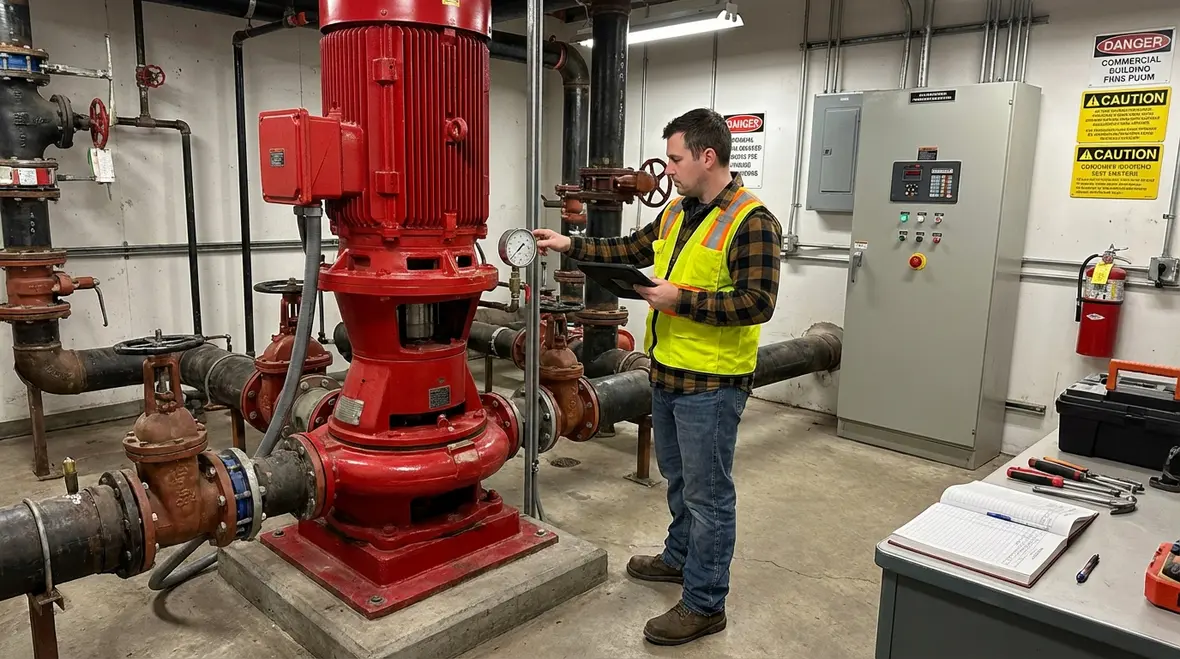
Fire Pump Maintenance Guide for Commercial Buildings
Now, let’s take a deep breath. Imagine a slow, wise voice with just enough sass to keep you nodding along. That’s the tone we’re going for here. So settle in. We’re diving into the riveting world of fire pump maintenance schedules for commercial buildings, and let me tell you—it’s not as dull as it sounds. In fact, your entire building’s safety might just depend on how well you handle what sounds like a line item on a spreadsheet. Exciting, right?
I’ve spent too much time roaming facilities where the fire pump room looks like it should come with a “Do Not Disturb (Ever)” sign. Skipping maintenance isn’t just risky—it’s expensive, illegal, and borderline reckless. So buckle up. Let’s cut through the jargon, make sense of the fire pump universe, and, yes, maybe toss in a reference to “Die Hard” where necessary.
Why Fire Pumps Deserve More Respect Than Your WiFi Router
I get it—of all the building systems that demand attention, fire pumps sound like the background character no one writes fan mail for. But guess what? In a real emergency, they’re the ones who save the day. While you’re busy blaming Todd from IT for the latest network outage, your fire protection pump is quietly keeping your entire facility from turning into a marshmallow roast.
So let’s stop ignoring the superstar in the boiler room. A properly maintained fire pump maintenance schedule commercial buildings setup ensures:
- Water pressure meets NFPA and insurance standards
- The pump kicks into action without hesitation
- You avoid costly fire code citations (yep, they’re real, and brutal)
You wouldn’t drive a car for a year without popping the hood once, right? Now imagine that car is in charge of saving a 10-story office tower.
Weekly, Monthly, Annual: The Fire Pump Maintenance Symphony
Anyone managing commercial or industrial properties should know this: fire pump maintenance isn’t “set it and forget it”—this isn’t a Ronco rotisserie oven. The NFPA 25 guidelines break it down by frequency, and spoiler alert, you’re not touching this once a year and walking away.
Weekly Checks
- Run a no-flow (churn) test
- Check for unusual noise, leaks, or pressure changes
- Ensure jockey pump is working properly
- Inspect controller status indicators
Monthly Inspections
- Visual inspection of pump, bearings, and couplings
- Open main relief valves to verify flow
- Review electrical components and circuit integrity
- Diesel units: inspect fuel, oil, coolant, and battery
Pro tip: Keep a logbook. The camera would slowly pan to your maintenance records and a calm voice would say, “And that, my friend, was the moment they started taking safety seriously.”
Annual Testing Isn’t Optional—Unless Orange Jumpsuits Are In Fashion
This isn’t the part where you say, “Eh, we’ll skip this round.” Annual inspections are where the big issues hide. Fire codes, insurance claims, and even legal liability hinge on this part. And no, shaking the pump and saying “you good?” does not count.
Here’s what needs to go down every year:
- Annual flow test: Verify the fire pump can meet peak water demand
- Relief valve exercise (if equipped)
- Full electrical insulation resistance testing
- Diesel engines: full comprehensive engine testing
It’s like a yearly physical, but for a machine that might someday save your bacon. Take it seriously.
“Why Do I Need To Do This? Nothing’s Ever Happened.”
Ah yes—the classic “We’ve never had a fire, so why bother?” logic. That’s like saying you’ve never driven into a wall, so seat belts are overrated. The harsh truth is you won’t need your fire pump until you really need it—and when that day comes, it better perform like opening night on Broadway. No dry runs. No missed cues.
If you’re managing large commercial or industrial properties, the stakes are high. You’ve got tenants, assets, equipment, and likely more compliance paperwork than a Bond villain’s dossier. Your local AHJ (Authority Having Jurisdiction) doesn’t care if your building “felt safe.” If your pump wasn’t maintained, you’re up the proverbial creek without a fire hose.
Scheduling Like a Boss: How to Build Your Fire Pump Maintenance Calendar
Look, I’m not here to throw charts at you—but I will give you a simple way to remember your schedule without needing smoke signals or a treasure map. Here’s the basic flow:
- Every week: Turn it on, let it churn
- Every month: Step up the visual inspection game
- Quarterly: Internal reviews, corrective action logs
- Every year: Full-system test with certified testing agency
Tie this routine into your internal CMMS or inspection software. If it’s not in your digital calendar, it might as well not exist. Your schedule should be living, breathing—and nagging. Kind of like your college roommate but with purpose.
Quick Reference Checklist
Print it, pin it in the pump room, and make sure every box gets checked:
- Weekly churn test logged
- Monthly visual inspection signed off
- Quarterly review meeting scheduled
- Annual test booked with a certified vendor
Pick the Right Partner. Because Your Cousin Larry Isn’t Certified
Not all fire protection companies are created equal. Your building is a serious operation, not a test site for cut-rate vendors. You want technicians who understand the anatomy of a commercial-grade fire pump, not someone Googling it from the break room.
When choosing a service provider, make sure they:
- Hold NICET certification
- Understand fire pump maintenance schedule for commercial buildings
- Perform full-panel diagnostics, not just basic visual inspections
- Provide you with detailed reports and formal sign-offs
Ask for references. Ask for certifications. Heck, ask them to name three pump types without using their phone. If they answer confidently and don’t break a sweat, you’re in good hands.
FAQs: Fire Pump Maintenance for Commercial Facilities
Conclusion: Let’s Take Fire Pump Maintenance Seriously
So there you have it: the not-so-boring truth about fire pump maintenance. When you’re responsible for a commercial or industrial property, ignoring this schedule isn’t just unwise—it’s unacceptable. Let’s keep your building safe, compliant, and fully operational. Ready to put a real maintenance plan in place? Contact your trusted fire protection partner today—where no facility gets left behind.