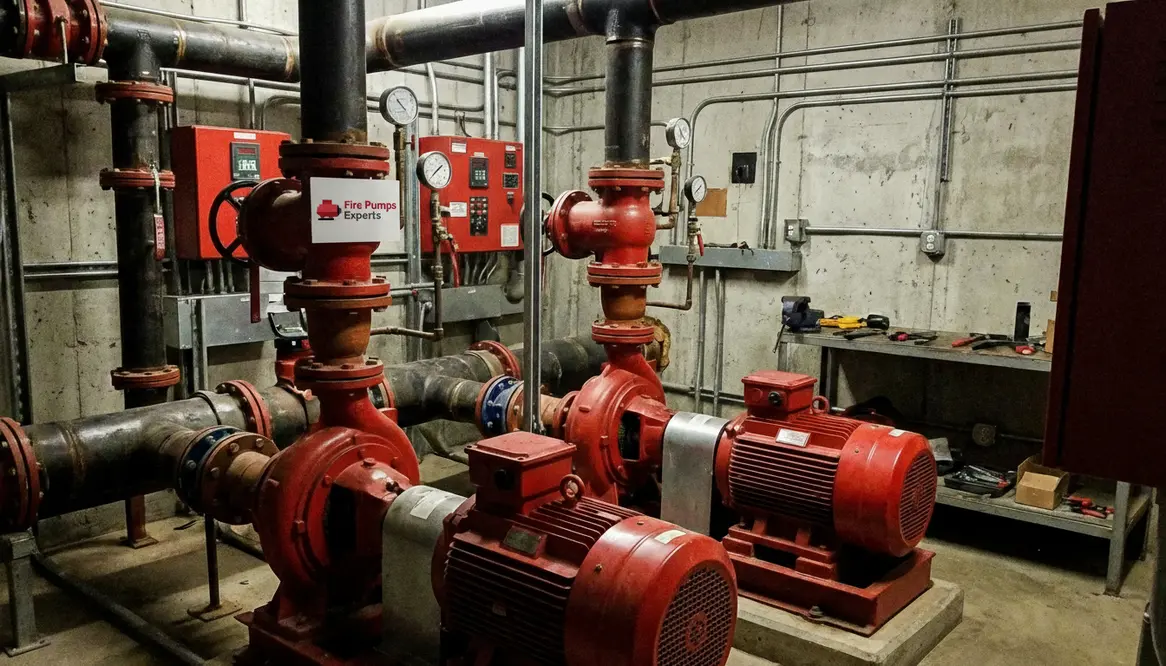
Apartment Complex Fire Pump Requirements Guide
I have walked through more mechanical rooms than I can count, and I can tell you this much right away: when it comes to large multifamily communities, fire protection is not the place to improvise. Somewhere between the hum of a motor and the quiet confidence of proper design lives a critical piece of the puzzle, the apartment complex fire pump requirements. I bring this up early because if you get this part wrong, everything else becomes a very expensive guessing game. And nobody wants their safety plan to feel like a season finale cliffhanger.
So let’s take a calm, steady walk through what actually matters, why it matters, and how to make sure your property stands ready when it counts.
What Makes Fire Protection in Large Multifamily Communities So Complex?
First, scale changes everything. A single building behaves one way. A sprawling multifamily community with multiple structures, shared utilities, and varying elevations behaves like a small city. Therefore, water demand increases, pressure requirements shift, and response time becomes more critical.
Additionally, occupancy density raises the stakes. More residents means more risk variables. Kitchens, electrical loads, parking structures, and shared amenities all add layers to your protection strategy.
However, the real challenge is coordination. Fire alarms, sprinkler systems, and pumps must work together seamlessly. If one piece hesitates, the entire system loses its rhythm. And unlike your Wi Fi cutting out during a movie, this is not something you can just reboot and laugh about later.
Designing Systems That Meet Apartment Complex Fire Pump Requirements
I approach fire pump design like conducting an orchestra. Every instrument must enter at the right time, at the right volume, and without hesitation. In practical terms, this means calculating flow demand accurately and ensuring the pump can maintain pressure across the entire property.
Moreover, compliance is not optional. Codes and standards define apartment complex fire pump requirements based on building height, square footage, and hazard classification. These are not suggestions. They are the guardrails that keep your system reliable under stress.
In my experience, the smartest developers invest early in hydraulic modeling. It removes guesswork and reveals how water will actually move through the system. As a result, you avoid underpowered pumps or overbuilt systems that burn money faster than a Hollywood explosion scene.
How Do I Choose the Right Fire Pump System for a Large Property?
I get this question a lot, and the answer is both simple and nuanced. Start with demand, then match the pump to that demand without cutting corners.
For large multifamily communities, I typically consider:
- Electric fire pumps for reliability when power infrastructure is strong
- Diesel fire pumps where backup independence is critical
- Vertical turbine pumps when water sources sit below grade
However, selection is not just about equipment type. You also need to think about redundancy. Because if your primary pump fails during an emergency, that is not a plot twist anyone wants.
Then there is placement. I always recommend accessible yet protected pump rooms. After all, a fire pump should not feel like it is hiding from responsibility.
Installation Realities Most People Learn Too Late
Let me be honest. Installation is where good plans either shine or unravel. Even the best design can fall apart if execution lacks precision.
First, alignment matters. Pumps and motors must be installed with exact tolerances. Even slight misalignment leads to vibration, wear, and eventual failure.
Next, power supply integration requires attention. Transfer switches, controllers, and backup systems must engage instantly. Timing is everything here. A delay of seconds can make a significant difference.
Finally, testing is not a checkbox. It is a full rehearsal. I insist on performance testing under real load conditions. Because theory is nice, but reality is what shows up during an emergency.
Common Mistakes I See
- Undersized pumps for peak demand
- Poor ventilation in pump rooms
- Ignoring long term maintenance access
What Works Better
- Accurate hydraulic calculations
- Clear service pathways
- Routine system testing schedules
Maintenance Keeps the System Honest
Even the best system will drift if you ignore it. That is just how machines behave. Therefore, ongoing maintenance becomes the quiet hero of fire protection.
I recommend weekly visual checks, monthly churn tests, and annual flow testing. These routines confirm that your system still meets operational expectations.
In addition, documentation matters more than most people think. Logs provide insight into trends. If pressure starts to drop or vibration increases, you catch it early. And catching problems early is always cheaper than explaining them later.
Meeting Apartment Complex Fire Pump Requirements Without Overbuilding
There is a temptation to oversize everything just to be safe. I understand the instinct. However, bigger is not always better.
Oversized pumps can create pressure issues, increase energy use, and complicate system balance. Instead, I focus on precision. Meet the apartment complex fire pump requirements exactly, with a margin for reliability, not excess.
Think of it like casting a movie role. You want the right actor, not the loudest one in the room.
Understanding Apartment Complex Fire Pump Requirements In Context
In most jurisdictions, apartment complex fire pump requirements trace back to adopted standards and local amendments. Height triggers, fire area thresholds, and water supply limitations all influence whether your project needs a pump, what capacity it should deliver, and how it should be powered and supervised.
A careful review of local code, NFPA standards, and your authority having jurisdiction ensures your design aligns with both the letter and spirit of the rules. That is how a complex property moves from “probably compliant” to confidently ready.
FAQ
Final Thoughts and Your Next Move
When I look at a large multifamily community, I do not just see buildings. I see a network that depends on quiet reliability. Fire protection, especially properly designed pump systems, keeps that network safe without asking for attention. If you are planning, upgrading, or reassessing your property, now is the time to act. Connect with experts who understand large scale systems and build something that works when it truly matters.