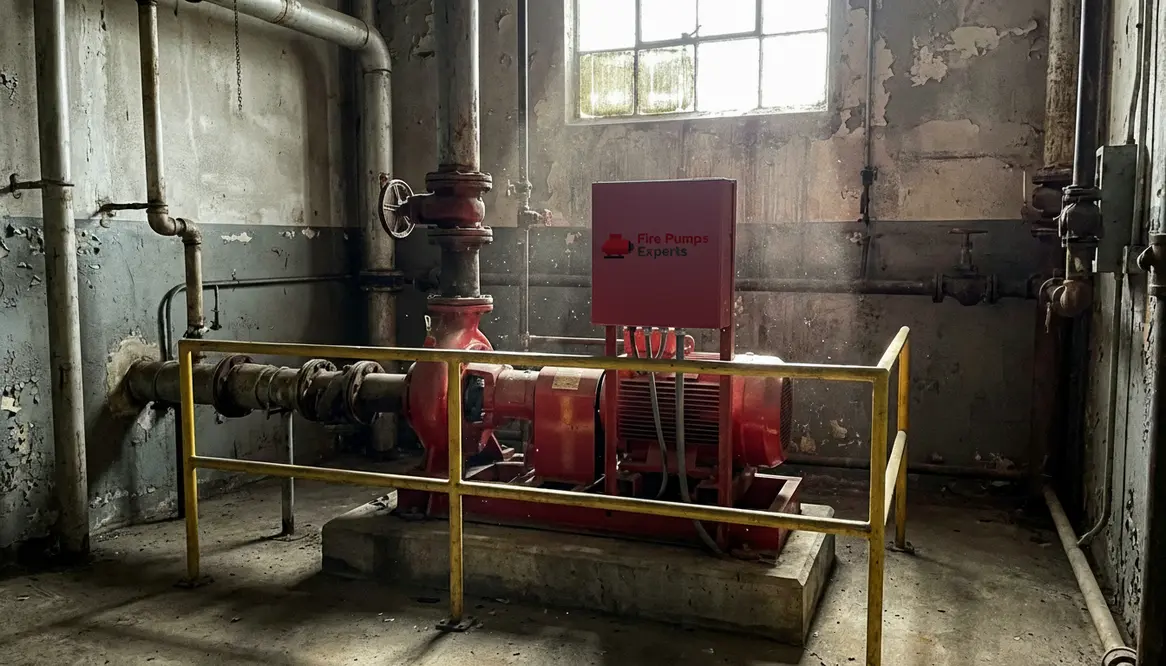
Brownfield Redevelopment Fire Protection Fire Pumps
I have spent years walking through aging industrial sites where history clings to every pipe and beam. When we talk about brownfield redevelopment fire protection, we are not just upgrading systems. We are rewriting how these properties survive risk. And right at the center of that story sits the fire pump, steady, dependable, and often overlooked until the moment it matters most. So let us take a calm, deliberate walk through what truly matters when selecting and installing fire pumps in these complex environments. Think of it less like flipping a switch and more like restoring a classic car. Only this one fights fires.
Why Fire Pumps Matter in Redevelopment Projects
First, let me say this plainly. Not all sites are created equal. Brownfield properties carry legacy infrastructure, unknown modifications, and sometimes a few surprises that would make a building inspector reach for coffee number four. Because of that, fire pumps must do more than meet code. They must compensate for unpredictability.
In many cases, municipal water supply is inconsistent. Therefore, I design systems that assume pressure will drop at the worst possible moment. A properly selected fire pump ensures consistent flow, even when everything else falters. Moreover, these systems protect high value assets, heavy machinery, and large scale operations where downtime is not just inconvenient, it is expensive.
And yes, if you are picturing a dramatic movie scene where sprinklers activate in slow motion, you are not entirely wrong. Only here, we prefer everything to work quietly and efficiently, without the Hollywood chaos.
How Do I Evaluate Existing Infrastructure Before Selecting a Fire Pump
I start with what is already there. Then I question it.
Older industrial sites often have buried piping, undocumented changes, and outdated materials. Consequently, I conduct detailed flow tests and inspect supply lines thoroughly. I also review historical usage because past industrial processes often leave behind clues about system stress points.
Next, I look at electrical capacity. Fire pumps demand reliable power, and older facilities may not support modern requirements without upgrades. In addition, I evaluate space constraints. Some buildings were never designed to house large fire protection equipment, so creative layout planning becomes essential.
Finally, I assess environmental risks. Contaminated soil, corrosive atmospheres, and temperature extremes all influence pump selection and material durability. In other words, I do not just pick a pump. I match it to a story the site is already telling.
Key Design Considerations for Brownfield Redevelopment Fire Protection
Now we get into the heart of the matter. Designing fire pump systems for redevelopment projects requires precision and a bit of foresight. At the center of effective brownfield redevelopment fire protection is the ability to balance old constraints with new performance expectations.
Water Supply Stability
I always verify whether the available water source can sustain demand. If not, I incorporate storage tanks or secondary supply options. This is often the first big decision in brownfield redevelopment fire protection, because a pump without reliable water is just expensive metal.
System Compatibility
New fire pumps must integrate with existing sprinkler and standpipe systems. Otherwise, you risk uneven performance, pressure surges, or dead zones where protection quietly fails. I verify pipe sizes, friction losses, and hydraulics before committing to a final configuration.
Code Compliance
Local and national codes evolve. Therefore, I ensure every component meets current standards, not the standards from 1987. That includes pump sizing, controller selection, testing provisions, and emergency power arrangements that keep the entire system compliant.
Redundancy Planning
Critical facilities benefit from backup pumps or dual power sources. Because when one system fails, another must step in. In brownfield redevelopment fire protection, redundancy is the quiet insurance policy that keeps operations from turning into headlines.
Maintenance Access
I design layouts that allow easy servicing. A fire pump hidden behind three walls and a mystery door helps no one. Clearances, lighting, drainage, and safe access routes are not luxuries; they are the only way to keep the system operable over decades.
Material Durability
Corrosion resistant materials extend system life, especially in industrial environments with harsh conditions. I look at coating systems, metallurgy, and even fastener selection so that the pump room ages gracefully instead of crumbling from the inside out.
Common Challenges I See and How I Solve Them
Let me be honest. Brownfield projects love to throw curveballs. Still, each challenge has a solution if you approach it methodically.
One common issue is fluctuating water pressure. Therefore, I use variable speed fire pumps to maintain consistent output. Another challenge involves limited space. In those cases, I select compact vertical turbine or inline pump designs that fit tight footprints.
Then there is contamination. Soil and groundwater conditions can affect underground components. So, I specify protective coatings and isolation techniques to prevent long term damage.
And occasionally, I encounter legacy systems that resemble a puzzle designed by someone who clearly enjoyed chaos. In those moments, I simplify. I streamline. I bring order back into the system. Think less spaghetti wiring, more symphony orchestra.
Integrating Fire Pumps into Modern Industrial Facilities
As redevelopment progresses, facilities often transition into advanced manufacturing or logistics hubs. Because of that, fire protection must align with modern operational demands.
I integrate fire pump systems with building management platforms. This allows real time monitoring, predictive maintenance, and rapid response. Additionally, I coordinate with other safety systems, ensuring alarms, suppression, and pump activation work together seamlessly.
Energy efficiency also plays a role. While fire pumps remain idle most of the time, their supporting systems should not waste resources. Therefore, I design with efficiency in mind without compromising reliability.
And yes, if the system runs so smoothly that nobody notices it, that is exactly the point. Like a good bass line in a song, you feel it more than you hear it.
FAQ About Fire Pumps in Redevelopment Projects
What type of fire pump is best for brownfield sites?
It depends on water supply and space, but electric and diesel driven pumps are most common in industrial settings.
Do older buildings always need new fire pumps?
Not always, but most require upgrades to meet current codes and performance demands.
How do I handle limited water pressure?
I typically add a fire pump with a storage tank or boost system to maintain required flow.
Are fire pumps required for all redevelopment projects?
Only when water supply cannot meet system demand or when codes require additional pressure support.
How often should fire pumps be tested?
Weekly or monthly testing is standard, with annual performance testing for full verification.
Final Thoughts and Next Steps
When I approach these projects, I see opportunity where others see obstacles. Fire pumps are not just equipment. They are the backbone of safety in complex redeveloped spaces. If you are planning upgrades or evaluating an existing system, now is the time to act. Reach out, ask the right questions, and build a system that performs when it matters most. Because in this line of work, reliability is not optional. It is everything.
If you want to go deeper into pump selection, testing, and long term reliability for brownfield redevelopment fire protection, resources at https://firepumps.org provide technical guidance, best practices, and practical checklists that help align field conditions with code-compliant designs.