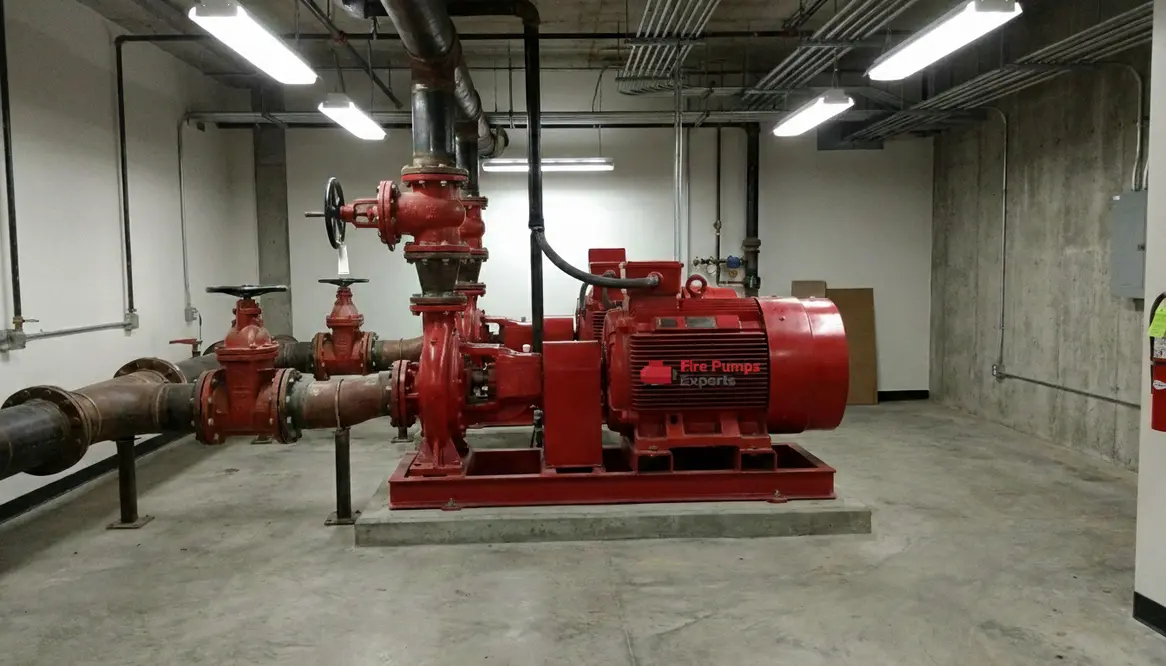
Class A Office Building Fire Protection Fire Pumps
I have spent years walking through towering lobbies and quiet mechanical rooms, where the heartbeat of a building is not the chatter of tenants but the systems standing guard. When we talk about class A office building fire protection, we are not talking about a box checked for compliance. We are talking about a silent partner that waits patiently, ready to act in seconds. And at the center of that readiness sits the fire pump. It is not flashy. It does not ask for attention. But when things go sideways, it shows up like the calm hero in every good movie, minus the dramatic soundtrack.
What role do fire pumps play in modern office towers?
I like to think of fire pumps as the pressure behind the promise. Sprinkler systems are only as strong as the water they deliver. Without enough force, water will not reach upper floors or push through long pipe networks. Therefore, fire pumps step in and boost water pressure exactly when needed.
In high rise and large scale commercial properties, gravity alone is not enough. That is where these pumps shine. They activate automatically when system pressure drops, ensuring water flows where it should, when it should. In other words, they turn a good fire protection system into a reliable one.
And yes, they do all this without asking for applause. If they had a personality, they would be that one coworker who quietly fixes everything while everyone else debates where to order lunch.
How does class A office building fire protection actually work together?
No system works alone. In premium commercial properties, fire protection is layered and coordinated. Fire pumps are part of a larger ecosystem that includes sprinklers, standpipes, alarms, and water storage.
First, sensors detect heat or smoke. Then, sprinklers activate in targeted areas. As pressure drops, the fire pump starts instantly, pushing water through the network. Meanwhile, alarms alert occupants and emergency responders. Each piece plays its role, but the pump ensures the entire system performs under pressure, literally.
Because of this coordination, building owners gain more than compliance. They gain confidence that their asset and occupants are protected by a system designed to act fast and effectively.
Where class A office building fire protection shows its value
In top tier office properties, the expectations are higher. Tenants assume rapid response, minimal disruption, and systems that work without excuses. Integrating the fire pump with monitoring, backup power, and clear procedures is what turns a standard design into a resilient one.
When done right, class A office building fire protection becomes a quiet competitive advantage. It reassures investors, satisfies insurers, and supports long term leasing strategies without ever stepping into the spotlight.
The hidden engineering that keeps water moving
Behind every reliable fire pump is thoughtful engineering. These systems are not one size fits all. Instead, they are tailored to the building’s height, layout, and risk profile.
Electric pumps are common in buildings with stable power, while diesel driven pumps offer backup when power reliability is a concern. Controllers monitor performance and trigger operation within seconds. Additionally, regular testing ensures everything works as intended, because a fire pump that fails is about as useful as a coffee machine with no coffee.
What fascinates me is how these systems balance precision and strength. They must deliver exact pressure levels without damaging pipes, while still meeting the demands of a worst case scenario. That balance is where real expertise lives.
Key benefits for owners and property managers
Risk reduction
Fire pumps ensure consistent water delivery, reducing the chance of system failure during emergencies.
Asset protection
They help limit fire spread, which protects both the building and high value tenant spaces.
Regulatory compliance
Properly designed systems meet strict codes required for major commercial properties.
Operational confidence
Owners know their fire protection system will perform when it matters most.
These benefits are not theoretical. They directly impact insurance considerations, tenant trust, and long term property value. In a competitive market, that matters more than ever.
Why maintenance is where the real story unfolds
Even the best system can fail without proper care. That is why ongoing inspection and testing are essential. Weekly churn tests, annual flow testing, and routine inspections keep everything in peak condition.
I have seen buildings with top tier equipment fall short simply because maintenance was treated as an afterthought. On the flip side, a well maintained system can outperform expectations year after year.
Think of it like a classic car. It may look great parked in the garage, but without regular attention, it will not get you far when you finally turn the key.
Choosing the right fire pump strategy for large commercial properties
Not every building needs the same setup. The right approach depends on size, occupancy, and infrastructure. Therefore, working with specialists who understand commercial and industrial environments is critical.
From selecting the correct pump type to integrating with existing systems, every decision shapes performance. Moreover, planning for redundancy and future expansion ensures the system remains effective as the building evolves.
In my experience, the smartest property leaders treat fire protection as an investment rather than a cost. That mindset changes everything, from design to long term operation.
Putting class A office building fire protection in context
For high profile assets, the conversation is bigger than just meeting code. Class A office building fire protection is part of a broader risk and resilience strategy that touches financing, insurance, tenant experience, and even brand reputation. A well designed fire pump system quietly supports all of that in the background.
FAQ
Final thoughts and next steps
When I look at class A office building fire protection, I see more than equipment. I see a system that protects people, preserves investments, and supports business continuity. Fire pumps sit at the core of that system, delivering strength when it is needed most. If you manage or own a major commercial property, now is the time to review your setup, test your systems, and partner with experts who understand the stakes. Because when it comes to fire protection, preparation is everything.
Turning preparation into a long term advantage
A thoughtful fire pump strategy is one of the clearest ways to turn class A office building fire protection into a long term advantage instead of a grudging expense. It supports safer evacuations, faster response, and a smoother recovery after an incident. Quiet, steady, and usually unseen, the fire pump earns its place as the building’s most reliable supporting character the moment the alarms sound.