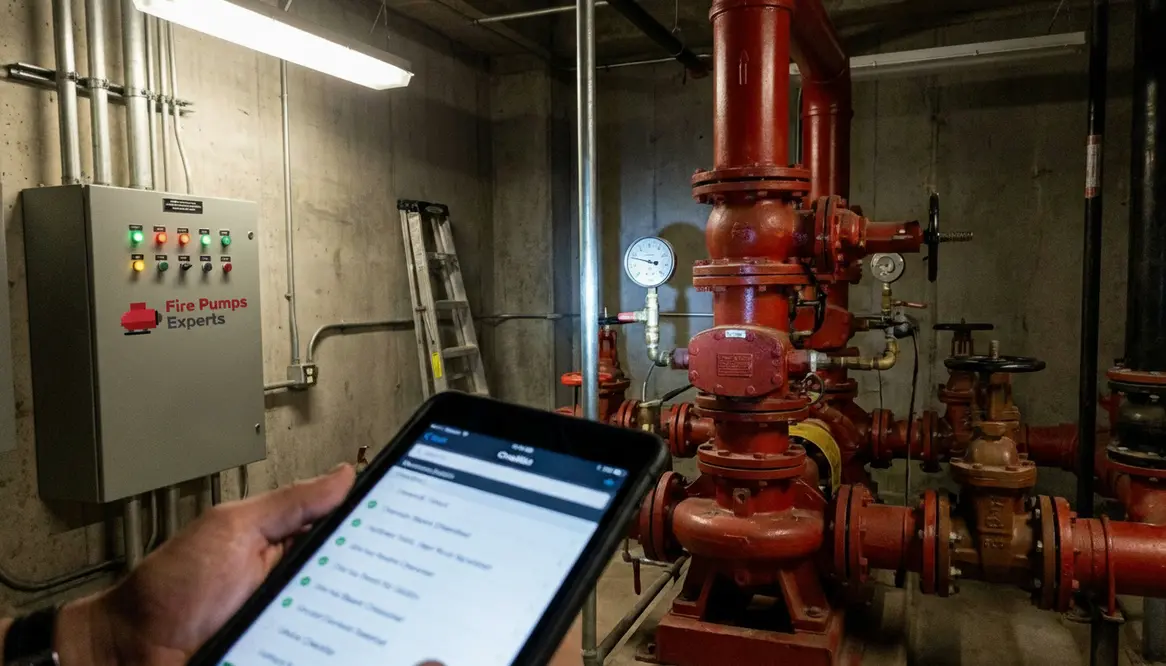
Commercial Condo Fire Pump Requirements Guide
I have spent years walking through commercial properties where everything looks pristine until you ask one simple question. What happens when fire shows up uninvited? In condo style office and retail ownership, that question becomes layered. Multiple owners, shared systems, and varying responsibilities can turn fire protection into a quiet liability. That is why I always bring up commercial condo fire pump requirements early. They set the tone for how water moves, how pressure holds, and how safety becomes a shared commitment instead of a guessing game.
Understanding Fire Protection in Shared Commercial Spaces
In these properties, ownership is divided, but risk is not. A fire in one unit does not politely stay there. Instead, it travels, tests systems, and exposes weaknesses fast. So, I look at fire protection as a building wide ecosystem. Sprinklers, alarms, and pumps must work together like a well rehearsed band. If one instrument is off, the whole performance suffers.
However, the challenge lies in responsibility. Owners often assume someone else is handling compliance. Meanwhile, codes do not care about assumptions. They care about performance. That is where a unified fire protection strategy becomes essential, especially in larger commercial and industrial properties.
Commercial Condo Fire Pump Requirements Explained Simply
Let me slow this down. Fire pumps exist to maintain water pressure when demand spikes. In a multi unit commercial building, that demand can rise quickly. Therefore, commercial condo fire pump requirements focus on ensuring consistent pressure across all units, regardless of size or use.
In practice, this means proper sizing, reliable power supply, and routine testing. It also means aligning with national and local codes. If that sounds straightforward, well, it is in theory. In reality, I have seen systems installed perfectly but neglected over time. And a fire pump that has not been tested is like a gym membership you never use. Technically valuable, but practically useless.
Who Is Responsible for Fire Systems in a Commercial Condo?
Here is where things get interesting. Responsibility often splits between individual unit owners and the condo association. Typically, shared systems like fire pumps fall under the association, while in unit components may belong to the owner.
But here is the twist. Fire does not recognize property lines. So, coordination becomes critical. I always recommend clear documentation and regular communication. Without that, you end up with gaps. And gaps in fire protection are like plot holes in a blockbuster movie. Everyone notices when things go wrong.
Key Components That Keep Fire Protection Reliable
To keep systems working, I focus on a few core elements that never go out of style.
System Design
A properly engineered system accounts for building size, occupancy type, and water demand.
Fire Pumps
These ensure pressure stays consistent during emergencies.
Regular Testing
Routine inspections confirm that every component performs under stress.
Code Compliance
Adhering to evolving standards keeps properties protected and insurable.
Additionally, each component supports the others. Remove one, and the system weakens. Maintain all of them, and you create a dependable safety net.
How Do I Ensure My Building Meets Fire Pump Standards?
I start with an audit. Not a quick glance, but a detailed review of system performance, installation quality, and maintenance records. Then, I compare those findings against current codes and commercial condo fire pump requirements.
Next, I prioritize testing. Weekly churn tests, annual flow tests, and ongoing monitoring all play a role. Moreover, I make sure documentation is clear and accessible. Because when inspectors arrive, and they will, having organized records saves time and stress.
Finally, I work with experienced professionals who understand large commercial systems. This is not the place for guesswork. Fire protection demands precision, and frankly, it deserves respect. If you are unsure where your property stands today, start by reviewing the core commercial condo fire pump requirements published by trusted industry resources such as https://firepumps.org and then compare those benchmarks to your real-world test data.
Common Pitfalls I See Too Often
Even well managed properties can stumble. I have seen it happen more times than I can count.
First, deferred maintenance quietly erodes system reliability. Second, unclear ownership responsibilities lead to missed inspections. Third, outdated equipment struggles to meet modern demands.
However, the most common issue is complacency. When everything works, people assume it always will. That assumption has a way of aging poorly. Fire protection is not a set it and forget it system. It is more like a classic car. It runs beautifully, but only if you keep tuning it and keep your commercial condo fire pump requirements front and center in every long-term maintenance plan.
FAQ: Fire Protection for Condo Style Commercial Properties
Questions about fire pumps come up constantly in shared commercial buildings, especially when owners start comparing notes on inspections, upgrades, and long-term costs.
Final Thoughts and Next Steps
Fire protection in condo style commercial properties is not just about equipment. It is about coordination, clarity, and consistency. When I align systems with clear standards and maintain them with discipline, the entire building benefits. If you manage or own a commercial property, now is the time to evaluate your setup, confirm compliance, and strengthen your fire protection strategy before it is tested in real life. Keep your commercial condo fire pump requirements visible in every budget discussion, reserve study, and capital project plan so that protection is proactive instead of reactive.