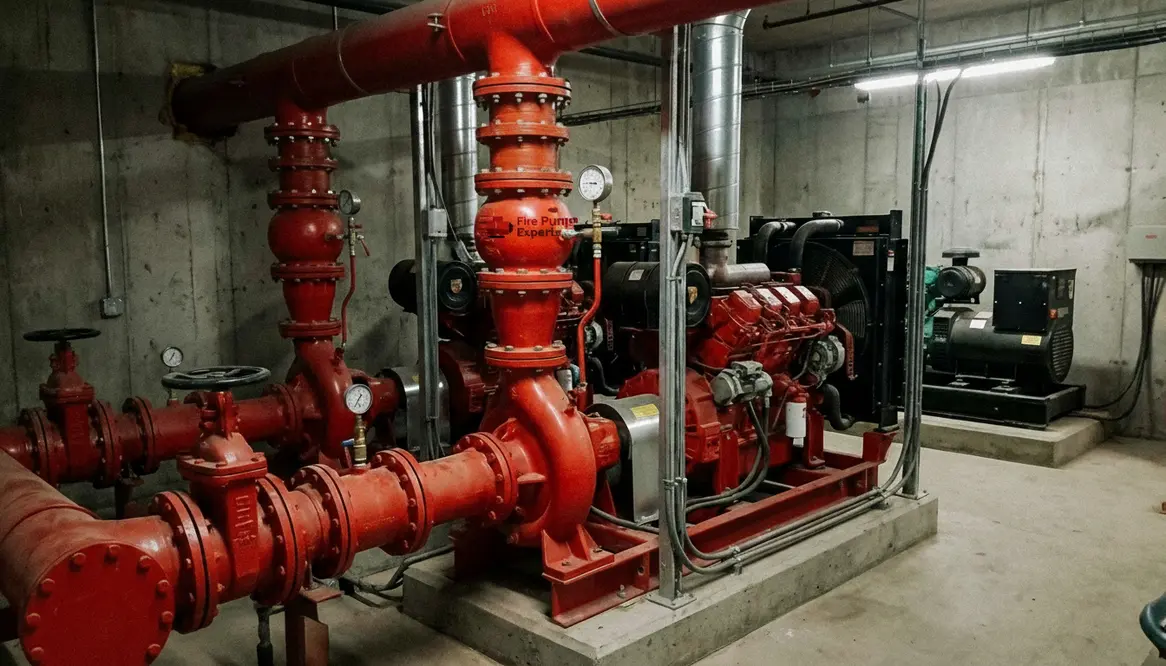
Commercial Landlord Fire Pumps for Hotels Casinos
I have spent enough time around large properties to know one truth: when things go wrong, they go big. Hotels, casinos, and sprawling hospitality buildings carry that quiet risk every single day. That is exactly why commercial landlord fire pumps sit at the heart of their safety systems. They are not flashy. They do not greet guests at the door. But when fire shows up uninvited, they become the most important piece of equipment in the building. And trust me, in those moments, you want power, pressure, and reliability working in your favor.
Why Fire Pumps Matter in Large Hospitality Buildings
I like to think of a fire pump as the bouncer of your building’s safety system. Calm, quiet, and then suddenly very serious when trouble starts. Hotels and casinos are complex spaces. Multiple floors, crowded rooms, kitchens running nonstop, and electrical systems that never sleep. Because of this, standard water pressure often falls short during emergencies.
That is where fire pump systems step in. They boost water pressure so sprinklers and standpipes can actually do their job. Without that boost, even the best-designed fire protection system turns into a garden hose trying to stop a bonfire. And nobody wants to be the person explaining that situation.
Moreover, these systems protect not just property, but people. Guests are often unfamiliar with the layout, which makes fast fire suppression critical. Every second counts, and fire pumps buy those seconds.
How Do Fire Pumps Protect Hotels and Casinos So Effectively?
The answer is simple, but the execution is anything but. Fire pumps activate when system pressure drops. That drop signals a potential fire event. Immediately, the pump kicks in and pushes water at a higher pressure through the building.
However, the real strength lies in consistency. In a high rise hotel or a massive casino floor, water must travel long distances and reach multiple zones at once. Fire pumps ensure that even the top floor or the farthest corner receives the same level of protection.
Additionally, modern systems integrate with alarms and monitoring tools. So, while the pump is doing its job, the system alerts staff and emergency responders. It is a coordinated response, not a solo act. Think of it as an orchestra, except instead of violins, you have valves, pressure gauges, and a very determined pump.
Inside the System: What Makes Fire Pumps Reliable
Reliability is not an accident. It is engineered. When I look at commercial landlord fire pumps, I see layers of design that account for worst case scenarios.
Core Components
- Pump unit that drives water flow
- Controller that manages activation
- Dedicated power source, often diesel or backup electric
- Jockey pump to maintain baseline pressure
Built In Safeguards
- Automatic start during pressure drops
- Redundant power systems
- Continuous performance monitoring
- Manual override options for control
Because of these features, the system does not rely on luck or timing. It reacts instantly. And in hospitality environments, where occupancy can spike at any hour, that kind of dependability is not optional. It is essential.
Meeting Safety Codes Without Cutting Corners
Let me be blunt. Codes and regulations are not suggestions. They exist because someone, somewhere, learned a hard lesson. Hotels and casinos must meet strict fire protection standards, and fire pumps play a central role in compliance.
However, compliance is only the starting point. I always advise going beyond minimum requirements. Why? Because large scale properties face unique risks. Kitchens, entertainment areas, and high occupancy events increase fire potential. Therefore, a robust pump system provides a safety margin that basic compliance cannot.
Also, inspections and routine testing keep everything in working order. A fire pump that has not been tested is like a parachute you have never opened. It might work, but that is not a gamble I would take, especially in a building full of guests.
Operational Benefits for Property Owners and Managers
Beyond safety, fire pumps bring practical advantages that property owners appreciate. First, they reduce potential damage during a fire event. Faster suppression means less structural loss and lower repair costs.
Second, they support business continuity. A hotel that can recover quickly keeps its reputation intact. A casino that avoids extended closure keeps revenue flowing. In both cases, the fire pump quietly protects the bottom line.
Finally, insurance providers often view strong fire protection systems favorably. While it will not make premiums vanish like a magician in Vegas, it can certainly help keep costs in check.
Choosing the Right Fire Pump System for Large Properties
Not all systems are created equal. When selecting a fire pump for a hospitality building, I focus on scale, layout, and risk profile. A high rise hotel requires different specifications than a sprawling resort.
It is also important to work with specialists who understand commercial and industrial environments. These are not small installations. They demand precision, planning, and long term support.
And yes, I always recommend thinking ahead. Expansion, renovations, and increased occupancy should all factor into the design. Because upgrading later is far more complex than building it right the first time.
Beyond the Basics: Why Commercial Landlord Fire Pumps Deserve Attention
In many hospitality portfolios, commercial landlord fire pumps tend to live in the background of planning conversations, overshadowed by guest amenities, design upgrades, and flashy new signage. Yet the reality is simple: these systems will do more to preserve your asset value in an emergency than any lobby renovation ever will.
When you look at a high occupancy property through the eyes of an insurer, risk manager, or code official, commercial landlord fire pumps quickly rise to the top of the priority list. They influence insurability, compliance, and long term operational resilience in a way that is hard to overstate, particularly for hotels, casinos, and mixed-use hospitality complexes.
FAQ: Fire Pumps in Hospitality Buildings
Guests rarely think about what happens behind the walls and in the mechanical rooms, but owners and managers do not have that luxury. Below are straight answers to common questions that come up when planning or upgrading systems in hotels and casinos.
Secure Your Property Before the Unexpected Happens
In my experience, the best time to think about fire protection is long before you need it. Fire pumps are not just equipment. They are a line of defense that protects people, property, and reputation. If you manage or own a large hospitality building, investing in the right system is not optional. It is a responsibility.
Treat the selection, installation, and maintenance of commercial landlord fire pumps as a strategic decision, not a checkbox. When alarms sound and sprinklers open, no guest will ever see the pump room, but they will absolutely live with the results of how well that system performs.
Take action now, strengthen your safety strategy, and make sure your building is ready for whatever comes next. If you are unsure where to begin, resources like https://firepumps.org and experienced fire protection consultants can help you evaluate your current setup, identify gaps, and plan upgrades that match the scale and risk profile of your hospitality properties.