Fire Pump Approvals Inspections in Major Cities
How real-world inspections, tight urban codes, and overlooked details can make or break your fire pump approvals.
I have walked through more mechanical rooms than I can count, and if there is one thing that keeps me up at night, it is the quiet assumption that a fire pump will work when the moment calls. In major U.S. cities, that assumption is not enough. Fire pump approvals are not just paperwork. They are the line between compliance and a very expensive surprise. And yes, inspectors notice everything. Even that one valve someone swore was “probably fine.”
So let me walk you through how I approach fire pump inspections in dense urban environments, where codes are strict, timelines are tighter, and violations tend to show up like uninvited guests at a board meeting.
Quick context: why urban inspections feel tougher
- Higher buildings, more complexity, and thinner safety margins
- Local authorities that expect clean documentation, not creative fiction
- Inspectors who live and breathe performance, not promises
If you manage a commercial or industrial property in a major city, getting fire pump approvals right is not optional. It is survival.
What Do Fire Pump Inspectors Actually Look For in Major Cities?
I get this question a lot, usually right after someone realizes an inspection is next week. The answer is simple, but not easy. Inspectors look for consistency, documentation, and proof that your system performs under pressure.
Operational readiness
First, I always verify operational readiness. That means flow tests, pressure readings, and making sure controllers respond correctly. If the system cannot hit its numbers calmly on a Tuesday, it will not magically perform during a three-alarm fire.
Documentation that tells a story
Then, I check records. Cities like New York, Los Angeles, and Chicago expect detailed logs. If your documentation looks like it was written during a coffee shortage, that is a red flag. Fire pump approvals live and die on whether your records show consistent testing and maintenance.
Moreover, inspectors focus heavily on installation compliance. Was the system installed according to NFPA standards? Has anything been modified without updated fire pump approvals? If so, you are already on thin ice.
And yes, they will notice if your gauges are outdated or your test headers are corroded. Inspectors have a talent for spotting the one thing everyone hoped they would ignore. Think of them as the Sherlock Holmes of building systems, just with less violin and more clipboards.
Fire Pump Approvals and Why They Matter More in Dense Urban Buildings
In major cities, buildings stack higher, systems grow more complex, and the margin for error shrinks. That is where fire pump approvals come into play. They confirm that your system meets local codes and integrates properly with the building’s fire protection strategy.
However, approvals are not a one and done situation. Renovations, tenant improvements, and system upgrades all require reevaluation. I have seen facilities assume their original approval still holds, only to discover that a minor change triggered a compliance issue.
Tight enforcement in crowded jurisdictions
Additionally, urban jurisdictions often have stricter enforcement. Inspectors coordinate with fire departments, and violations can escalate quickly. That means fines, operational delays, or even shutdowns in extreme cases.
Approvals as living documents
So, I treat approvals as living documents. They evolve with the building. Ignore them, and you risk more than a citation. You risk your entire operation.
Common Code Violations I See Again and Again
After years in the field, patterns start to emerge. Some violations show up so often, they feel like recurring characters in a sitcom.
Here are a few I encounter regularly:
- Poor maintenance records
Facilities either skip documentation or record it inconsistently. Inspectors want clear, chronological logs that support their fire pump approvals instead of contradicting them. - Controller issues
Improper settings or outdated components can lead to automatic failures during testing. - Blocked or restricted access
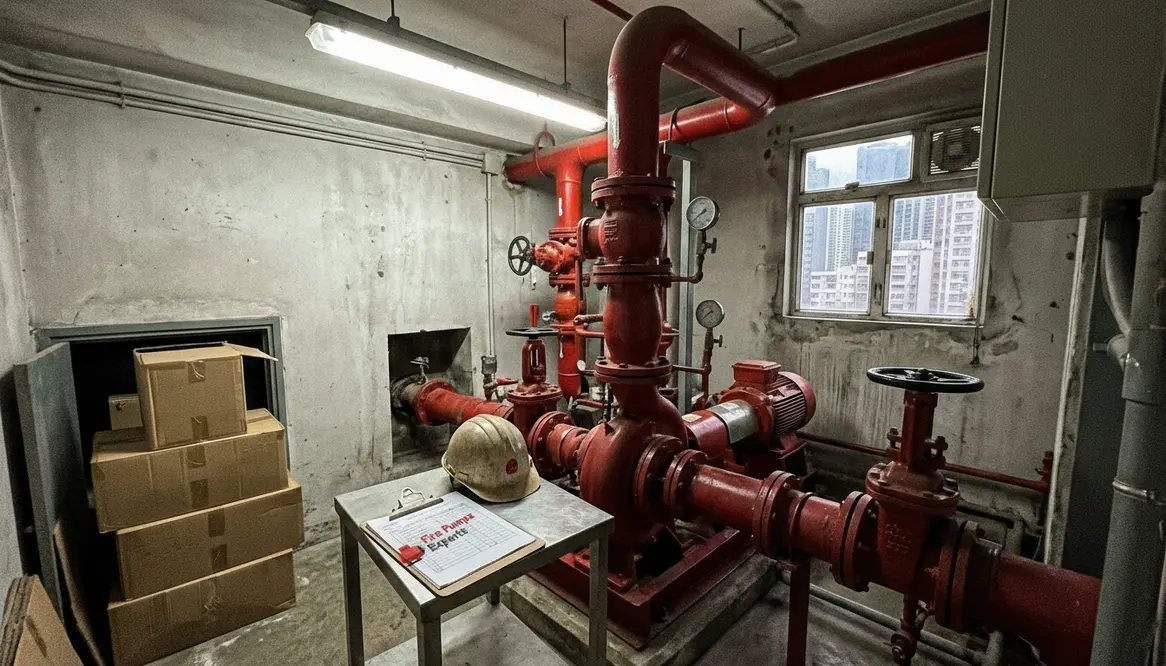
Storage creeping into pump rooms is more common than you would think. Apparently, everything becomes a storage room eventually. - Unapproved modifications
Even small changes without updated system approvals can trigger violations. - Inadequate testing frequency
Weekly and annual tests are not suggestions. They are requirements.
Fixing these issues is not glamorous work. However, it is far less painful than dealing with a failed inspection in a city that takes compliance seriously.
How I Prepare Commercial Facilities for Inspection Day
Preparation is where most facilities either shine or stumble. I take a structured approach that removes guesswork and keeps fire pump approvals on track.
Operational Readiness
I run full system tests, verify pressure levels, and confirm automatic start functions. If something fails here, it will fail in front of an inspector.
Documentation Review
I audit logs, inspection reports, and maintenance records. Everything must align and tell a clear story.
Physical Inspection
I check valves, gauges, controllers, and piping. Then I look for wear, corrosion, or anything that suggests neglect.
Compliance Verification
I confirm that all components meet current codes and that any updates have proper approvals.
Meanwhile, I make sure staff knows what to expect. A confident team can answer questions quickly, which keeps inspections moving smoothly. And in cities where time is money, that matters more than you might think.
If you are looking for a practical example of how full-service providers structure testing, the fire pump services section from Kord Fire is a good benchmark for expectations in complex facilities: Orange County fire pump services.
City Specific Challenges You Should Not Ignore
Every major city has its quirks. New York demands precision and documentation. Los Angeles focuses heavily on seismic considerations. Chicago brings its own regional codes into play.
Therefore, I never assume one size fits all. I tailor inspection prep to the local jurisdiction. This includes understanding how inspectors interpret codes, not just what the codes say.
Older buildings and tight spaces
Additionally, older buildings present unique challenges. Retrofitting systems to meet modern standards often requires creative solutions. And yes, sometimes that means navigating tight spaces that feel like they were designed by someone who disliked maintenance crews.
Still, adapting to these challenges is part of the job. The goal is always the same. Keep the system compliant, functional, and ready when it matters most.
FAQ: Fire Pump Inspections in Major U.S. Cities
Before we wrap up, here are quick answers to questions I hear most often about inspections and fire pump approvals across major U.S. markets.
Stay Ready, Stay Compliant, Stay Operational
At the end of the day, inspections are not the enemy. They are the checkpoint that ensures your building can respond when it counts. If you manage a commercial or industrial property, staying ahead of compliance is not optional. It is part of protecting your investment and everyone inside.
That means treating your pump room as critical infrastructure, not a forgotten corner of the basement. Keep your maintenance tight, your documentation honest, and your fire pump approvals current. Pair in-house awareness with credible outside expertise so you are not scrambling the night before an inspector arrives.
Work with experts, keep your records sharp, and treat your system like the critical asset it is. When inspection day arrives, you will be ready, and that is the goal.