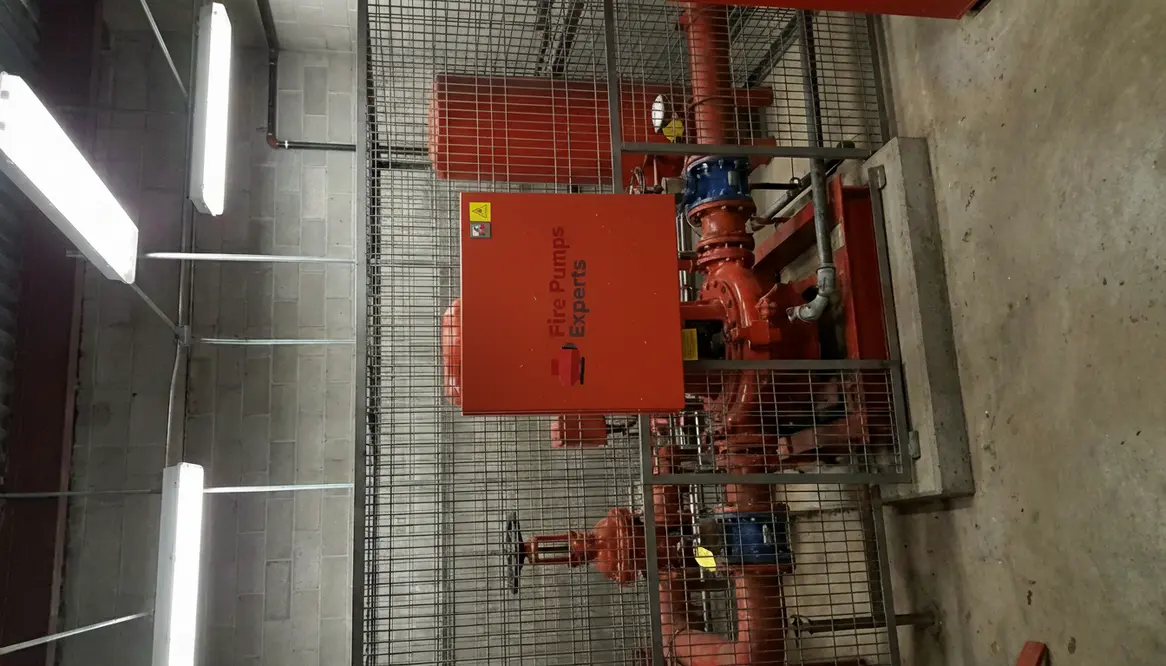
Fire Pump Code Compliance for Commercial Buildings
I have always believed that the quiet heroes of a building are the ones you never notice until something goes wrong. Fire pumps sit firmly in that category. They do not ask for applause, yet they carry the weight of fire pump code compliance across commercial towers, industrial plants, and large scale facilities throughout the United States. And while they may not wear capes like a Marvel character, they do save the day when pressure drops and safety hangs in the balance. So let me walk you through how these systems keep properties aligned with regulations, while keeping everyone just a little safer.
What role do fire pumps play in U.S. building regulations?
At the heart of most compliance frameworks sits a simple truth. Water must flow, and it must flow reliably. That is where fire pumps step in. I often explain it like this. If your building’s water supply is the bloodstream, then the fire pump is the heartbeat that keeps it moving when things get stressful.
Codes such as those from NFPA set strict expectations. They require systems to deliver enough pressure and volume to suppress fires effectively. However, not every municipal water supply can meet those demands on its own. Therefore, fire pumps act as a boost system, ensuring sprinkler and standpipe systems perform as required. In other words, fire pump code compliance is the difference between “water nearby” and “water actually arriving where and when it is needed.”
Without them, many commercial and industrial properties would fall short of compliance. And let’s be honest, inspectors are not known for their sense of humor when that happens.
Understanding fire pump code compliance in real buildings
When I walk into a facility, I do not just see equipment. I see layers of responsibility. Fire pump code compliance is not about installing a pump and walking away. It is about aligning design, installation, testing, and maintenance with national and local standards.
NFPA 20, NFPA 25, and the local twist
First, the system must meet NFPA 20 requirements for installation. That includes proper sizing, reliable power sources, and correct placement. Then, ongoing testing under NFPA 25 ensures the pump performs as expected over time. Meanwhile, local authorities may add their own rules, which means no two compliance strategies look exactly the same.
A living process, not a one-time project
As a result, staying compliant becomes a living process. It evolves with building use, occupancy changes, and system upgrades. Kind of like software updates, except this one protects lives instead of fixing your phone’s battery issues. When you treat fire pump code compliance as ongoing rather than “set it and forget it,” surprises during inspections become far less common.
How I approach compliance in large commercial and industrial facilities
Working with large properties demands precision. These are not small systems tucked into a corner. They are complex networks supporting high value assets and hundreds, sometimes thousands, of occupants.
So I focus on a few core areas to keep both performance and fire pump code compliance on track:
System design alignment
I ensure the pump matches the hazard classification of the building. A warehouse storing paper goods does not behave like a data center, and the pump must reflect that. The wrong design may still move water, but it will not necessarily move enough water at the right pressure to satisfy the codes.
Reliable power sources
Electric or diesel, redundancy matters. Because when power fails during a fire, that is not a plot twist anyone enjoys. Controllers, transfer switches, and backup sources all have to work together so that a building is not left with a silent pump at the worst possible moment.
Routine testing and documentation
Weekly churn tests and annual flow tests are not optional. They are the backbone of proving compliance. When I review a facility, test records often reveal whether management treats fire protection as a checkbox or as an actual safety system that deserves attention.
Integration with other systems
Fire alarms, sprinklers, and monitoring systems must work together. Otherwise, you end up with a band where every musician is playing a different song. True fire pump code compliance means the pump starts when it should, alarms report what they should, and sprinklers receive water exactly when they are called to action.
What I check first
- Water supply reliability
- Pump capacity
- Controller functionality
- Emergency power readiness
What I verify next
- Test records accuracy
- Valve positioning
- Pressure consistency
- Alarm integration
Why compliance failures happen more often than you think
Here is the part that surprises people. Most compliance issues are not dramatic. They are small oversights that quietly stack up over time.
For example, a missed inspection here, a delayed repair there, and suddenly the system no longer meets code. Additionally, facility upgrades often outpace fire protection updates. A building evolves, but the fire pump setup stays stuck in the past, like someone still using a flip phone in a smartphone world.
The hidden cost of weak documentation
Moreover, documentation gaps create problems during inspections. If you cannot prove testing and maintenance, regulators assume it did not happen. And that assumption can be costly. Insurance carriers and risk managers also pay attention, which means fire pump code compliance has financial consequences far beyond avoiding a stern look from the fire marshal.
How modern fire pump systems support smarter compliance
Fortunately, technology has stepped in to make life easier. Today’s fire pump systems offer advanced monitoring and data tracking. I can now review performance metrics without standing in the pump room every day, which, while exciting, is not everyone’s idea of a good time.
Digital controllers and real-time visibility
Digital controllers provide alerts, track run times, and store test results. Consequently, facility managers gain better visibility into system health. This reduces guesswork and helps maintain continuous compliance. Instead of asking, “Did we test last week?” the records answer the question instantly.
Remote monitoring and faster responses
In addition, remote monitoring allows faster response to issues. Instead of discovering a problem during an annual test, teams can act in real time. That shift alone has changed how large facilities manage fire protection. For buildings that must prove ironclad fire pump code compliance to investors, insurers, and regulators, these tools turn a reactive approach into a proactive one.
If your facility is ready to combine code requirements with real-world support, providers like Kord Fire’s fire pump services can help bridge the gap between regulations, maintenance, and day-to-day operations.
FAQ: Fire Pump Compliance Essentials
What is fire pump code compliance?
It means meeting NFPA and local regulations for proper installation, testing, and operation of fire pumps.
How often should fire pumps be tested?
Weekly no flow tests and annual full flow tests are typically required.
Who enforces compliance?
Local authorities having jurisdiction, often supported by national standards like NFPA.
Do all commercial buildings need fire pumps?
No, only those where water supply cannot meet system demand.
What happens if a system is not compliant?
You may face fines, failed inspections, or increased risk during emergencies.
Final thoughts and your next step
In my experience, staying compliant is less about reacting and more about staying ahead. Fire pumps are not just mechanical equipment. They are your building’s promise to protect people and assets when it matters most. If you manage a commercial or industrial facility, now is the time to review your system, confirm performance, and close any gaps before they grow. Partner with experts who understand both the codes and the real world demands, and keep your operation ready for whatever comes next.