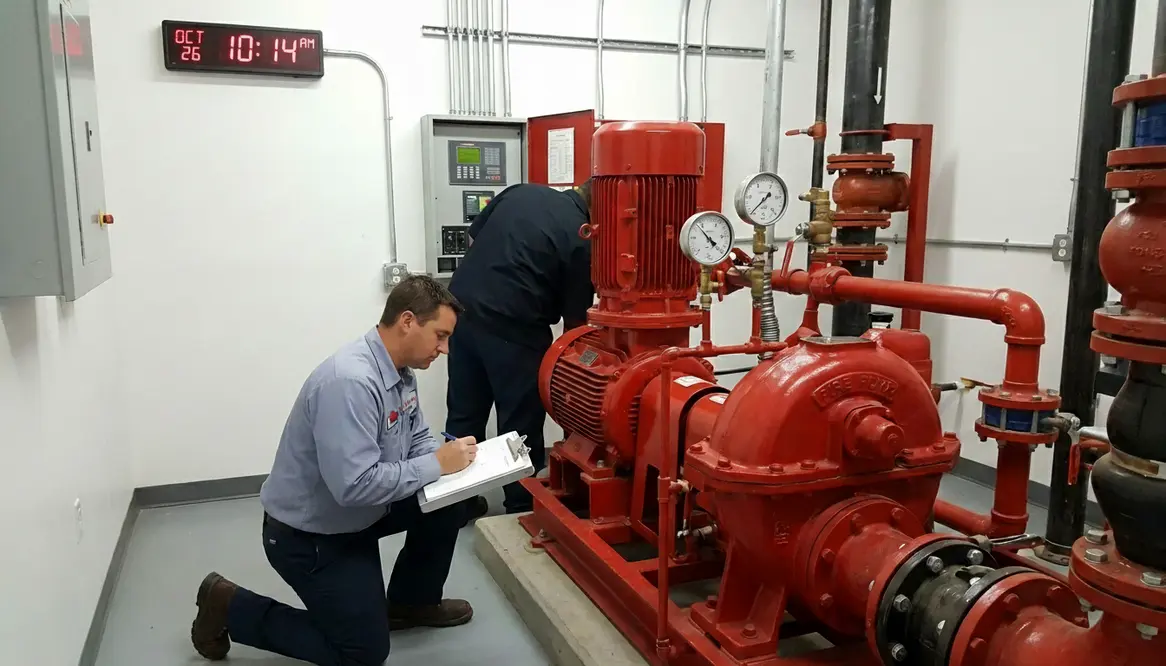
Fire Pump Inspection and Testing Requirements Phoenix
I have walked through more mechanical rooms than I can count. Some hum like a well tuned orchestra. Others look like a storage closet that lost a bet. In a city like Phoenix, where heat and density push building systems hard, one piece of equipment quietly waits for the worst day imaginable. The fire pump.
Because of that reality, fire pump inspection and testing requirements phoenix are not just another checkbox in a maintenance binder. They protect towers full of tenants, hospitals full of patients, and warehouses filled with millions of dollars in inventory. I have seen how proper testing turns a potential disaster into a routine Tuesday. And I have also seen what happens when someone treats inspection schedules like a gym membership in January. Great intentions. Very little follow through.
So let me walk you through how scheduling works, how logs keep you compliant, and the common defects that show up when pumps get a little too comfortable sitting in the dark.
Fire Pump Inspection and Testing Requirements Phoenix Building Managers Ask Me About
What Phoenix Building Managers Need From Their Fire Pumps
When a facility manager asks me about compliance, I usually start with one simple truth. Fire pumps hate surprises. They want routine. They want consistency. And they absolutely want attention.
In Phoenix commercial and industrial buildings, testing generally follows NFPA 25 standards. However, local enforcement expects the same rhythm every year. That rhythm looks something like this:
- Weekly or monthly visual inspections depending on pump type
- Weekly churn tests for diesel and electric pumps
- Monthly system checks on controllers, gauges, and fuel levels
- Annual flow testing to verify the pump delivers rated performance
Now here is where many large properties stumble. They assume the pump room is fine because the system has never been used. That logic reminds me of someone who never tests their smoke detector because there has never been a fire. Comforting thought. Terrible strategy.
Instead, professional inspection programs treat pumps like aircraft engines. Even when they look perfect, we still test them under load. Especially in Phoenix, where heat and electrical strain can stress components over time.
Therefore a consistent inspection schedule is not just good practice. It protects occupancy permits, insurance compliance, and most importantly the lives inside the building.
Translating NFPA 25 Into Phoenix-Friendly Routines
In practice, this means aligning NFPA 25 intervals with your building’s operations schedule instead of treating them as isolated to-do items. For example, tying weekly pump checks to your standard mechanical walk-through or pairing monthly controller checks with your normal electrical room rounds keeps those requirements from slipping through the cracks.
Done right, fire pump inspection and testing requirements phoenix become part of the building’s normal heartbeat instead of an annual scramble the week before an inspection.
How I Schedule Fire Pump Testing for Large Phoenix Facilities
When I organize inspection schedules for high rise buildings, distribution centers, or manufacturing plants, I think in layers. A pump system has many parts. Each one tells a story about system health.
Layer 1: Fast Weekly Checks
First, weekly checks focus on quick indicators. Pressure readings. Controller status lights. Room temperature. Fuel levels for diesel units. These checks take minutes but they catch problems early.
Layer 2: Monthly Operational Proof
Next come monthly operational checks. During these visits we verify automatic start signals, inspect relief valves, and check packing glands or mechanical seals. Meanwhile we confirm that the controller reacts properly when pressure drops.
Layer 3: Annual Flow Testing Under Real Conditions
However the annual flow test is where the real truth appears.
During a flow test we push the pump to multiple performance points. One hundred percent rated capacity. One hundred fifty percent overload capacity. Zero flow churn conditions. Each step shows whether the pump still matches the curve it was designed for.
If the pump cannot meet that curve, something inside the system has changed. Maybe the impeller has worn down. Maybe a suction obstruction formed. Either way, the numbers never lie.
And yes, watching thousands of gallons per minute shoot through a test header can feel like a scene from an action movie. Think less Hollywood explosion and more calm engineering satisfaction.
For a deeper breakdown of testing intervals and what to expect from a professional service provider, you can review this guide on fire pump testing requirements from Kord Fire Protection.
What Should Be Recorded in Fire Pump Logs
Logs are the quiet heroes of system reliability. They also save facility managers during inspections. Because when the fire marshal asks for documentation, confidence matters.
Operational Data I Record
- Pump start time and duration
- Suction and discharge pressure
- Controller status indicators
- Power supply or diesel engine readings
- Any unusual vibration or noise
Environmental and System Notes
- Pump room temperature
- Fuel tank levels
- Valve positions
- Alarm signals
- Maintenance actions taken
Additionally, I include technician notes whenever something seems slightly off. A gauge drifting. A valve handle stiffening. Those tiny observations often prevent future failures.
Modern facilities increasingly use digital logs. However paper records still appear in many mechanical rooms. Either way, consistency is what matters. If a regulator reviews your records, they should see a clean story of routine care.
After all, a good logbook reads like a calm heartbeat. Steady. Predictable. Alive.
Common Defects I Find During Fire Pump Inspections
No system is perfect. Even the best installations develop quirks over time. Fortunately most problems reveal themselves early during testing.
Here are the issues I see most often in large Phoenix commercial properties.
Controller Problems
Controllers act as the brain of the system. Yet electrical contacts can corrode and programming settings sometimes drift. When that happens the pump may start slowly or fail to respond to pressure changes.
Diesel Engine Issues
Diesel pumps are powerful but demanding. Fuel contamination, weak batteries, or clogged air filters can stop a startup sequence. Ironically the engine might run beautifully during a test yet fail months later without maintenance.
Valve Position Errors
This one sounds simple. Unfortunately it appears often. Someone performs maintenance and forgets to return a control valve to the open position. Suddenly the system cannot deliver proper flow.
It is the mechanical room version of unplugging your router and wondering why the internet stopped working.
Pressure Gauge Drift
Gauges slowly lose calibration over time. If the readings become inaccurate, technicians may misinterpret system performance. During annual inspections we verify these instruments carefully.
Heat Related Wear
Phoenix summers push equipment hard. Mechanical seals, wiring insulation, and electronic boards can degrade faster in high temperatures. Proper ventilation and routine inspection reduce this risk significantly.
Most importantly, catching these defects early keeps systems reliable when an emergency actually occurs. In other words, fire pump inspection and testing requirements phoenix are about preventing the embarrassing moment when a beautifully designed building has a fire pump that refuses to cooperate.
Why Phoenix Commercial Properties Cannot Ignore Pump Testing
Large buildings carry a unique responsibility. Hundreds or thousands of people depend on the fire protection infrastructure working instantly.
Because of that reality, fire pump inspection and testing requirements phoenix enforcement has become increasingly strict in recent years. Inspectors expect detailed records. They expect performance testing. And they expect professional service for complex systems.
Insurance carriers also watch closely. If a loss occurs and maintenance documentation is incomplete, claim disputes become very real very quickly.
On the positive side, strong inspection programs create peace of mind. Facility managers sleep better. Engineers trust the system. Tenants never notice anything at all. Which is exactly how fire protection should work.
Quiet. Reliable. Ready.
FAQ About Fire Pump Inspections in Phoenix
Below are some of the questions building managers ask most often when we start mapping out fire pump inspection and testing requirements phoenix for their properties.
Conclusion
If you manage a high rise, hospital, distribution center, or large industrial facility in Phoenix, your fire pump deserves serious attention. A consistent inspection program keeps systems compliant, protects property, and most importantly safeguards lives. My team focuses exclusively on large scale commercial fire protection systems. So if you want experienced professionals who understand complex pump infrastructure, reach out today and schedule a comprehensive inspection that keeps your building ready for anything.