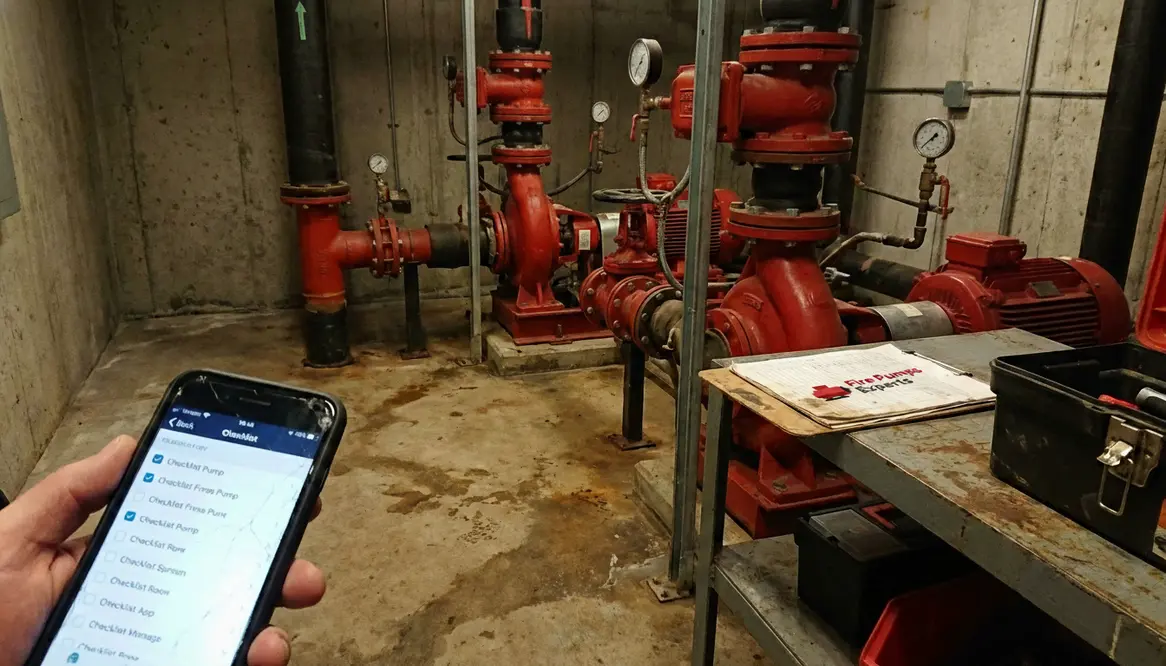
Fire Pump Maintenance for Simi Valley Properties
Fire Pump Maintenance Expectations for Properties in Simi Valley
Now, I don’t know about you, but when I hear the words “fire pump maintenance,” I don’t exactly leap out of bed with excitement. Unless, of course, I’m a property manager in Simi Valley responsible for a few million dollars’ worth of property and lives. In that case, this topic suddenly becomes less “snooze fest” and more “mission critical.”
When it comes to fire pump maintenance within Simi Valley, commercial and industrial property owners have a duty—not just to the building codes but to every person who steps foot inside their facilities. And let’s face it: “Surviving a fire” should never be left to luck, or the last time your lazy nephew said he “checked it out.”
So let’s take a calm, soothing journey together through what you should expect, what’s required, what actually works, and a few things that might make you chuckle—or at least smirk—in the process.
The Role of a Fire Pump: More Than Just Loud Noises and Water Spray
Before we get into full maintenance mode, let’s rewind for a second. Fire pumps aren’t just fancy sprinkler starters. These things are the heart of your entire fire protection system. Think of it like Iron Man’s arc reactor—but for your building.
In the most basic terms, fire pumps boost water pressure when your sprinkler system needs more supersonic force to do what it was born to do: stop fires in their tracks. And in large commercial setups or industrial plants where the stakes are skyscraper-high, fire pumps become not just important but essential.
Imagine trying to put out a warehouse blaze with a squirt gun. That’s what you’d get if the fire pump fails. And spoiler alert: no one wants to Yelp-review your building as “The tower of terror we escaped from on fire.”
What’s Required for Commercial Fire Pump Maintenance in Simi Valley?
Let’s get real—randomly toggling a few switches every six months isn’t going to cut it. If you’re managing a commercial property in Simi Valley, your maintenance expectations are laid out loud and clear, both by NFPA 25 and Simi Valley Fire Department regulations.
Core inspection and testing expectations
Here’s a basic checklist of what qualified contractors (aka not your cousin Bobby) should be doing on a recurring basis as part of fire pump maintenance within Simi Valley:
- Weekly churn tests for electric pumps to ensure proper pressure and operation
- Monthly flow testing for diesel and electric pumps, including jockey pump activation
- Annual pump performance evaluations (yes, your pump gets a report card too)
- Inspection of valves, controllers, gauges, and lubrication systems
- Alarm testing connected to mainline controls
Bottom line: this is not a do-it-yourself weekend project. Your fire pump maintenance within Simi Valley needs to be handled by certified professionals who know how to detect issues before they become headline news at 6 PM.
And no, blowing on it like an old Nintendo cartridge won’t make it work better.
Why Your Building’s Fire Pump Can’t Afford to Be a Diva
Think of your fire pump like a late-night performer with stage fright. It may look fabulous, but when it’s time to work the spotlight (aka during a fire), failure is not an option. Most fire pumps are idle 99% of the time, and that alone should worry you.
This kind of inactivity leads to corrosion, sediment buildup, motor fatigue, and all sorts of mechanical issues that love to come out and party when it’s go-time. Consistent fire pump maintenance within Simi Valley is the only way to make sure your system doesn’t decide to “take a sick day” mid-emergency.
Neglect today, disaster tomorrow
Need a relatable analogy? Fire pump neglect is like skipping dentist appointments for ten years and then wondering why you suddenly have root canals on every tooth. Except in this case, it’s thousands of gallons of water failing to save your property.
Fire Pump Maintenance Isn’t a One-Size-Fits-All Gig
Simi Valley is no ordinary place. Nestled between wide canyons and dense property layouts, this region’s commercial zones come with their own complicated fire risks. So yes, your sleek new tech campus isn’t going to have the same fire pump needs as a concrete plant or medical facility.
High-rise office buildings
- Multi-zone systems requiring variable pressure settings
- Redundant pump testing needed
- Complex exit strategies affect response timing
Industrial facilities
- Higher water-use capacity means larger fire pump systems
- Testing under operational load necessary
- Diesel-driven systems more common here
This is why a tailored maintenance approach is key. Cookie-cutter checklists are great for Ikea furniture. Not commercial fire safety.
Work hand in hand with your fire protection provider to craft a schedule and system review that aligns with your specific building type. Extra points if they show up to the meeting with working tools and not just a clipboard and a thousand-yard stare.
How to Spot the Red Flags — Before They Spark a Fire
Warning signs your fire pump needs attention
Let’s take a moment to channel our inner detective. No trench coat or magnifying glass necessary. Just a bit of awareness can save everything from downtime to disaster. If your fire pump is showing any of the signs below, it’s time to sound the metaphorical alarm.
- Unusual noise, vibration, or heat during test runs
- Fluctuating PSI on gauges even during standby
- Suction line cavitation (bonus points if you Googled this one)
- Slow or failed automatic startup sequences
- Blocked air intake on diesel-driven units (hello squirrel nest!)
Catching these issues early is the equivalent of finding out your car’s engine check light is more than just a pretty dashboard ornament. The longer you wait, the more costly the fix—and the higher the risk during an actual emergency.
Who You Gonna Call? (No, Not Them)
We all love a good Ghostbusters moment, but when it comes to fire pump maintenance across Simi Valley’s commercial and industrial landscape, it’s not about ghosts—unless you count the haunting regret of hiring a cheap service provider.
Choosing the right fire pump professionals
Hire licensed fire protection contractors who specialize in commercial buildings. Ask:
- Are they certified for NFPA compliance?
- Do they offer emergency services when your fire pump throws a tantrum?
- Do they provide digital logbooks and professional documentation?
You want a provider who knows their relief valves from their test headers—not someone who’s learning on the job while your plant’s safety hangs in the balance.
If you want to go deeper into system reliability and testing expectations, resources like Kord Fire’s guide on routine fire pump inspections and their importance can help you benchmark your own program against best practices.
FAQs: Fire Pump Maintenance Expectations in Simi Valley
The more you understand about fire pump maintenance within Simi Valley, the easier it is to budget, schedule, and hold your contractors accountable. Here are some common questions building owners and managers ask.
Final Thoughts: Your Fire Pump Is Not a Set-It-and-Forget-It Deal
If you’re managing a commercial or industrial property in Simi Valley and treating your fire pump like a forgotten treadmill in the basement, it’s time to rethink things. Stay ahead of safety standards, protect your property and your people, and ditch the guesswork with a consistent approach to fire pump maintenance within Simi Valley.
Your building won’t maintain itself… and neither will its fire protection system.
Need a fire pump professional who speaks your language (and your fire panel’s)? Contact firepumps.org today for a custom maintenance plan tailored to your commercial building in Simi Valley.