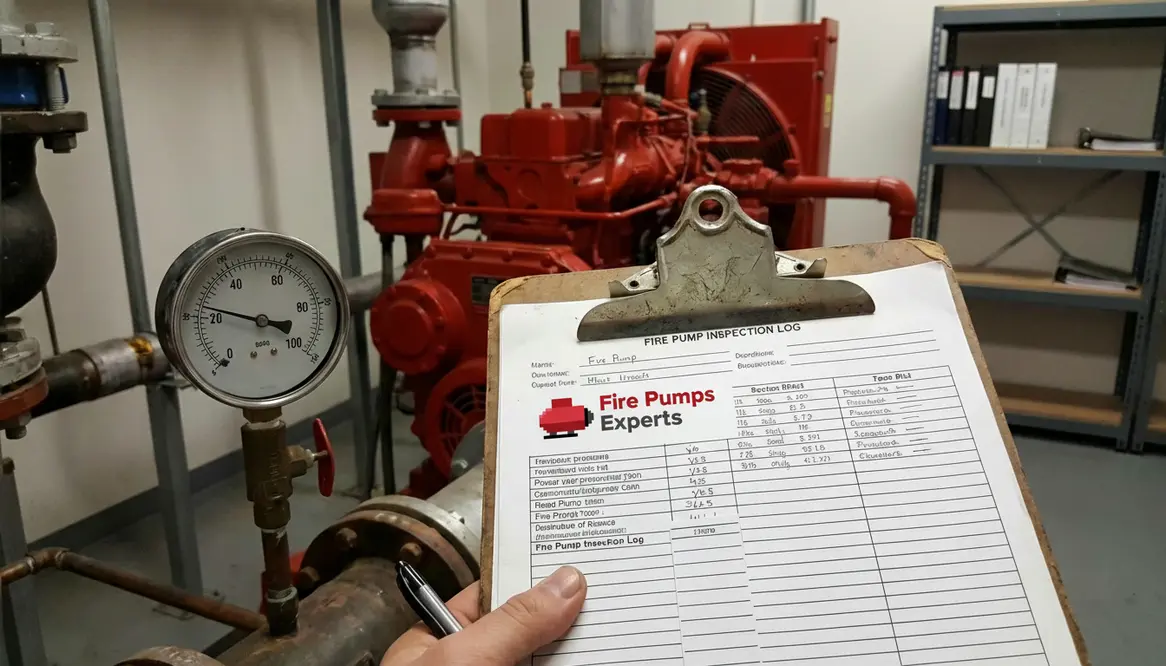
Fire Pump Records Santa Clarita for Large Facilities
Every building has a heartbeat. In large commercial and industrial facilities, that heartbeat often comes from a fire pump system quietly waiting in the background. I have spent years around these systems, and if there is one thing I have learned, it is that documentation matters just as much as the equipment itself. That is where fire pump records Santa Clarita property managers rely on come into play. These records tell the story of inspections, tests, and maintenance that keep a system ready when the moment calls. And trust me, when a fire pump starts roaring to life, it sounds less like office equipment and more like a small rocket launch. Today, I want to walk you through why these records matter for large facilities across Santa Clarita and how they quietly protect people, property, and peace of mind.
Why Fire Pump Records Matter for Commercial and Industrial Facilities
First, let me say something simple. A fire pump system without proper records is like a blockbuster movie without a script. The equipment may look impressive, however no one truly knows what is happening behind the scenes.
Fire pump documentation tracks inspections, weekly churn tests, flow tests, repairs, and performance results. Because commercial properties often serve hundreds or thousands of occupants, these records become proof that the system can deliver water at the right pressure during an emergency.
Moreover, local fire authorities and insurance carriers expect detailed documentation. If a problem occurs, investigators often look at maintenance logs first. Proper records show that the property owner actively maintained the system instead of crossing their fingers and hoping for the best.
In large facilities such as manufacturing plants, distribution centers, medical complexes, and multi story office buildings, the fire pump system plays a central role in the overall fire protection strategy. Therefore consistent recordkeeping becomes more than paperwork. It becomes a layer of accountability.
And frankly, if paperwork could wear a superhero cape, this would be the moment.
What Information Should Fire Pump Records Contain
When I review fire pump documentation for a large property, I look for several specific elements. Each one tells a part of the system’s story.
- Inspection logs document visual checks of valves, controllers, gauges, and pump conditions. These checks often occur weekly or monthly.
- Performance test results show how the pump performs under different flow conditions. Annual flow tests are especially important for verifying pressure output.
- Controller event logs record when the pump starts, stops, or experiences faults. These digital logs provide valuable insight into system behavior.
- Maintenance reports track repairs, component replacements, lubrication, and adjustments.
- Deficiency reports document issues discovered during inspections and outline corrective actions.
Together, these records create a timeline. When I look through them, I can quickly understand whether a pump has been running smoothly or quietly asking for help like a tired actor in the third act of a movie.
Fire Pump Records Santa Clarita Facilities Must Maintain for Compliance
Commercial and industrial properties in Santa Clarita operate under strict fire protection standards. Authorities follow national codes such as NFPA 25, which outlines inspection, testing, and maintenance requirements for water based fire protection systems.
Because of these regulations, maintaining complete fire pump records Santa Clarita inspectors expect becomes critical.
Weekly Churn Testing
Weekly pump churn tests verify that the system starts automatically and maintains pressure without flowing water. Although the test sounds simple, it confirms that the pump controller, motor, and pressure sensors work together properly.
Annual Flow Testing
Annual flow testing takes things further. During this test, technicians simulate real demand conditions to verify that the pump delivers its rated capacity. The data from these tests goes directly into the documentation and becomes part of the long term compliance picture.
Additionally, inspectors often review several years of historical records during compliance checks. They want to see patterns, consistency, and evidence that issues were corrected promptly.
Think of it this way. Your fire pump system might be the star athlete on the team, however the records are the stat sheet proving it actually showed up for the game.
How Proper Documentation Protects Large Properties
Large commercial facilities contain complex infrastructure. High occupancy loads, expensive equipment, and large floor areas all increase fire protection demands. Therefore documentation serves several protective roles.
First, it helps facility managers track system performance over time. If pressure readings slowly decline across several tests, records reveal the trend long before a failure occurs.
Second, documentation helps coordinate maintenance across multiple contractors or internal engineering teams. When everyone can see the service history, decisions become faster and more informed.
Third, detailed records strengthen liability protection. In the unfortunate event of a fire, accurate documentation demonstrates responsible system management.
Operational Advantages
- Identifies early performance issues
- Improves maintenance planning
- Supports long term equipment reliability
- Helps engineers analyze system trends
Regulatory Advantages
- Satisfies fire code requirements
- Supports insurance audits
- Provides proof during inspections
- Demonstrates responsible facility management
When both sides work together, the property gains a powerful safety framework that goes far beyond a simple binder on a shelf. In many cases, partnering with a specialist that understands NFPA 20 requirements and complex pump configurations, such as the team behind NFPA 20 fire pump system guidance, helps keep that framework current and reliable.
How Do I Organize Fire Pump Documentation for a Large Facility
I hear this question often from facility directors and building engineers. The good news is that organizing documentation does not require a complex system worthy of a NASA control room.
Centralize Everything
First, centralize everything. All inspection reports, flow test results, and service notes should live in one dedicated record system.
Use Both Digital and Physical Copies
Next, maintain both digital and physical copies. Digital records allow quick access during inspections, while physical copies serve as backup.
Structure by Year and Test Type
Additionally, structure documents by year and test type. When inspectors arrive, they appreciate quick access to weekly logs, annual test reports, and repair documentation.
Review on a Schedule
Finally, review records quarterly. This habit helps catch missing documentation before an audit or inspection reveals the gap.
In other words, treat your fire pump documentation like a well organized streaming library. Everything should be easy to find, properly labeled, and ready when someone presses play.
The Hidden Story Your Fire Pump Records Tell
Every inspection sheet, test report, and maintenance log adds another chapter to your system’s history. Over time, those records reveal patterns that even experienced technicians might miss during routine visits.
For instance, recurring pressure fluctuations might point to a worn impeller. Frequent controller alerts could signal electrical issues. Gradual declines in performance may indicate aging components approaching replacement.
When facility teams review these patterns, they can make smarter decisions about upgrades, repairs, and long term planning.
And honestly, there is something reassuring about flipping through years of well kept documentation. It tells you that the system protecting your facility has been carefully watched, tested, and maintained.
That kind of quiet reliability may never win an Oscar. Still, when safety is on the line, it deserves a standing ovation.
FAQ About Fire Pump Records
Protect Your Facility with Reliable Fire Pump Documentation
Fire protection is not just about equipment sitting in a pump room. It is about accountability, performance, and preparation. Clear documentation ensures your system stands ready when it matters most. If you manage a commercial or industrial property in Santa Clarita, maintaining organized fire pump records strengthens safety and compliance. Work with experienced fire protection professionals who understand large facility systems and can help maintain accurate documentation year after year.