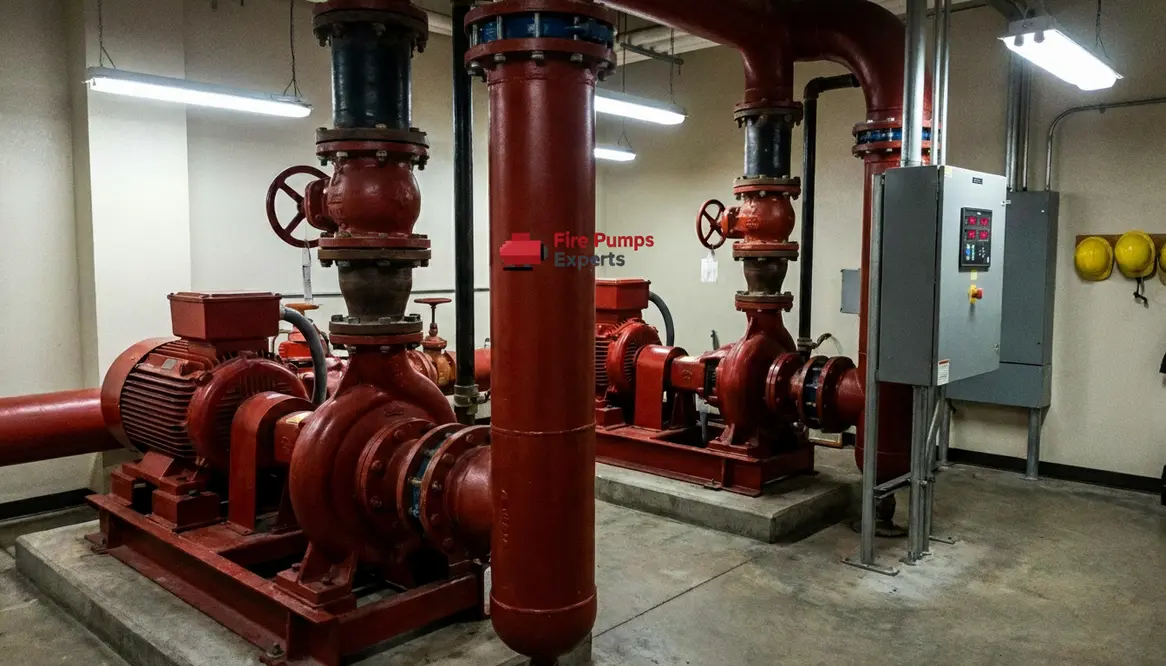
Fire Pump Requirements for Casino Resorts Guide
I have walked through enough large properties to know one thing for certain. When entertainment and lodging come together under one roof, the stakes rise fast. Lights, crowds, kitchens, guest rooms, and high energy environments all demand a serious approach to fire safety. That is where Fire Pump Requirements for Casino Resorts step into the spotlight early. Within the first moments of design, I consider how water will move, how pressure will hold, and how systems will respond when seconds matter. Because in a place built for excitement, fire protection should be the calmest, most reliable player in the room.
Understanding Fire Protection in Mixed Use Entertainment Properties
When I evaluate a property that blends lodging with entertainment, I see layers of risk stacked on top of each other. Hotels bring sleeping occupants. Casinos and theaters bring dense crowds. Restaurants add open flames. Together, they create a complex fire profile that demands precision.
Therefore, I design systems that do more than meet code. I build for performance under stress. Fire pumps must deliver consistent pressure across large footprints, even during peak demand. Meanwhile, redundancy becomes essential. If one system falters, another must take over without hesitation.
Think of it like an orchestra. If one instrument goes silent, the show should still go on. Except here, the audience is safety itself.
Fire Pump Requirements for Casino Resorts and Why They Matter
Let me be direct. Fire Pump Requirements for Casino Resorts are not just technical guidelines. They are operational lifelines. These systems ensure that sprinklers, standpipes, and suppression systems perform exactly when needed.
In large scale properties, water supply alone is rarely enough. That is why I focus on pump sizing, power reliability, and system redundancy. Additionally, I account for vertical challenges. High rise hotel towers demand pressure zones, while expansive gaming floors require wide coverage.
Moreover, I consider human behavior. In an emergency, people do not move like they do in drills. They hesitate. They look around. They grab chips, phones, sometimes even drinks. So the system must compensate for those delays by acting faster and stronger.
And yes, if you are wondering, slot machines do not help in an evacuation. They tend to win that battle.
How Do I Design Fire Systems for High Occupancy Buildings?
I start with flow demand and work outward. First, I calculate the maximum water demand across all fire protection systems. Then, I evaluate supply sources. After that, I determine the exact pump configuration needed to maintain pressure across every zone.
However, design does not stop at numbers. I look at real world conditions. For example, I consider how quickly a fire could spread in a crowded nightclub versus a quiet hotel corridor. Each space requires tailored protection.
Next, I integrate monitoring and control systems. Smart controls allow operators to track performance in real time. As a result, issues can be addressed before they become failures.
Finally, I ensure compliance with commercial and industrial standards. These properties are not small scale buildings. They demand systems built for endurance and reliability, not shortcuts.
Key Components That Keep Systems Reliable
Core Infrastructure
- High capacity fire pumps built for continuous demand
- Backup power systems for uninterrupted operation
- Pressure zoning for multi level structures
- Durable piping networks designed for heavy use
Operational Support
- Advanced control panels with real time data
- Routine testing and maintenance programs
- Clear access for emergency response teams
- Integration with alarms and suppression systems
Each component plays a role. Remove one, and the system weakens. Keep them aligned, and you create a network that responds with confidence.
Balancing Guest Experience with Safety Systems
I understand the pressure to keep things visually appealing. No one walks into a luxury resort hoping to admire a fire pump room. Still, safety cannot hide in the shadows.
So I take a balanced approach. I place equipment where it remains accessible yet unobtrusive. I work with architects to integrate systems into the design without compromising function. As a result, guests enjoy the space while safety systems stay ready behind the scenes.
It is a bit like stage lighting. When done right, you never notice it. But without it, the entire show falls apart.
Maintaining Compliance and Long Term Performance
Even the best system will fail without proper care. That is why I emphasize ongoing inspection and testing. Fire pump systems must be exercised regularly to ensure they perform under real conditions.
In addition, I recommend detailed documentation and staff training. When teams understand the system, they respond faster and with greater confidence. This reduces risk and improves outcomes during emergencies.
Codes evolve, and so should systems. Therefore, I review updates frequently and adjust designs when needed. Staying current is not optional in commercial and industrial environments. It is essential.
If you are looking for deeper technical criteria around Fire Pump Requirements for Casino Resorts, resources such as https://firepumps.org can complement your project planning and code reviews.
FAQ
Conclusion
When I design for entertainment and lodging properties, I design for complexity, scale, and human unpredictability. Strong systems, including well executed Fire Pump Requirements for Casino Resorts, create a foundation that protects both people and operations. If you manage or develop a large commercial property, now is the time to evaluate your fire protection strategy. Work with experts who understand performance at scale, because in this environment, safety is not a feature. It is the entire game.