Fire Pump Requirements for Sports Complexes Guide
I have walked through enough stadium tunnels to know one truth. When the lights go out and the crowd roars, safety should never be the thing left in the dark. That is where Fire Pump Requirements for Sports Complexes quietly step in. Within the first moments of an emergency, these systems do not hesitate. They perform. In large public sports facilities, where tens of thousands gather, fire protection is not just a code checkbox. It is a carefully engineered promise that every fan, athlete, and worker gets home safe.
What makes fire protection in stadiums so complex
At first glance, a stadium feels like just a bigger building. However, that is like saying a spaceship is just a larger car. The scale changes everything. Massive seating bowls, underground concourses, kitchens, locker rooms, and retail spaces all exist under one roof.
Because of this, I design systems that respond fast across wide areas. Water demand fluctuates, occupancy peaks suddenly, and evacuation routes must remain clear. Therefore, fire protection must be layered. Sprinklers, alarms, smoke control, and most importantly, reliable pump systems must work together without hesitation.
And yes, when halftime snacks involve deep fryers, risk levels climb faster than a last minute comeback drive.
Fire Pump Requirements for Sports Complexes explained clearly
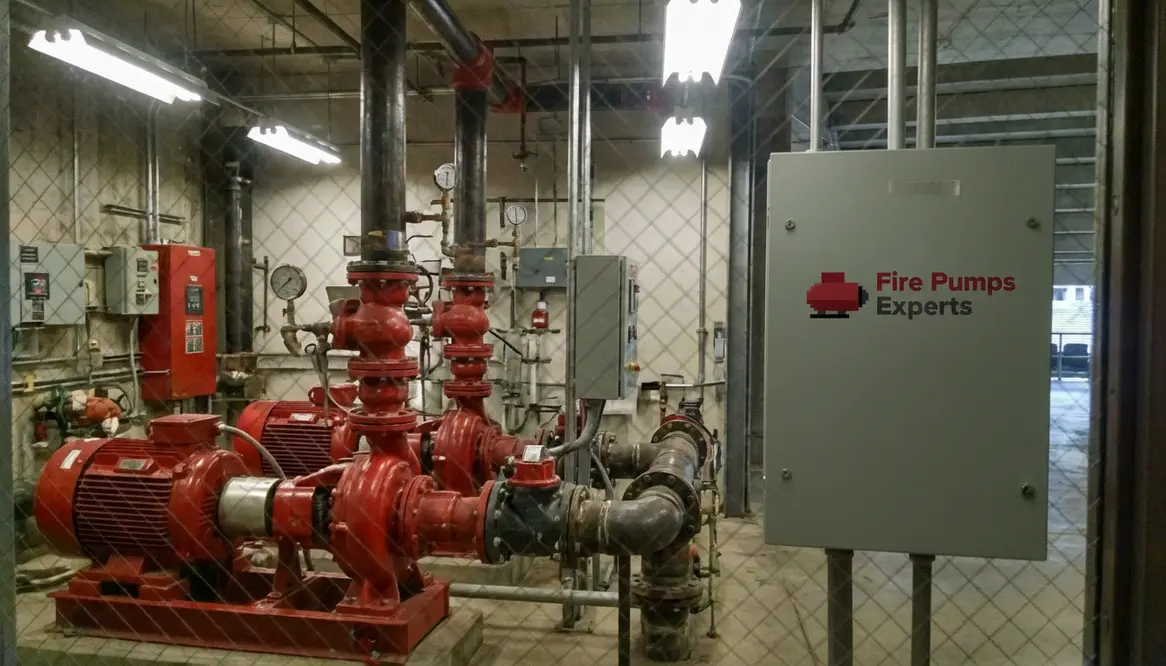
When people ask me what truly powers a fire protection system, I point straight to the pump room. Fire Pump Requirements for Sports Complexes ensure that water pressure and flow remain consistent even during peak demand.
In large venues, municipal water alone often falls short. So I rely on dedicated fire pumps to boost pressure across long pipe runs and multiple elevations. Additionally, redundancy is not optional. Backup pumps and power sources keep systems running even if one component fails.
I also account for system zoning. Upper tiers, suites, and field level zones each require balanced coverage. Without proper pump sizing and configuration, you risk weak flow where it matters most. That is not a gamble I am willing to take, and neither should any facility operator.
This is where Fire Pump Requirements for Sports Complexes become both technical and practical, translating design numbers into real water hitting real hazards when seconds count.
How do I design systems that handle massive crowds?
I start with one question. What happens when everything goes wrong at once? Then I design backward from that scenario.
First, I calculate peak occupancy loads. Then I align sprinkler density and hose stream demand with real world usage. Meanwhile, I integrate fire alarms that trigger instantly and guide evacuation with clarity.
Equally important, I coordinate with architects and engineers early. That way, fire protection is built into the structure, not squeezed in later like an afterthought. Because honestly, nothing says trouble like trying to retrofit safety into a packed stadium. It is like trying to add seatbelts to a roller coaster after opening day.
Key components that keep everything running
Each system plays a role, but together they form a safety net that never sleeps.
Core Infrastructure
- High capacity fire pumps with backup units
- Dedicated water storage tanks
- Looped piping for consistent pressure
- Pressure regulating valves for multi level control
Support Systems
- Advanced fire alarm and detection networks
- Smoke control and ventilation systems
- Emergency power generators
- Monitoring systems for real time diagnostics
Moreover, I ensure these components communicate seamlessly. A pump without proper signaling is like a drummer without a band. Technically impressive, but not very useful in a crisis.
Fire Pump Requirements for Sports Complexes in real operations
Once installed, the real work begins. Fire Pump Requirements for Sports Complexes do not end at commissioning. They demand consistent testing, inspection, and maintenance.
I schedule regular flow tests to confirm performance under load. Additionally, I verify that backup systems activate without delay. Over time, wear and tear can creep in quietly. Therefore, proactive maintenance keeps surprises off the field.
In large commercial and industrial scale venues, downtime is not acceptable. Events run year round, and systems must be ready every single day. That reliability separates a compliant system from a truly dependable one.
Smart technology is changing the game
Modern systems are no longer blind. I now integrate smart monitoring tools that track pressure, flow rates, and equipment health in real time. As a result, I can detect issues before they become failures.
Cloud based alerts notify teams instantly, while automated reports simplify compliance. This level of insight turns fire protection from reactive to proactive. It is a bit like having a coach who calls the play before the defense lines up.
And yes, even in fire protection, a little foresight can look like magic.
Answering common stadium questions
Behind every kickoff, tipoff, or first pitch, there are quiet systems in the background meeting strict Fire Pump Requirements for Sports Complexes so fans only notice the action, not the infrastructure keeping them safe.
Final thoughts that matter
Fire protection in large sports facilities is not just engineering. It is responsibility at scale. From Fire Pump Requirements for Sports Complexes to system integration and maintenance, every detail plays a role in protecting lives and property. If you manage or design a major commercial venue, now is the time to evaluate your systems, strengthen your infrastructure, and partner with experts who understand the stakes. Because when the crowd fills in, safety should already be in place, steady and ready.