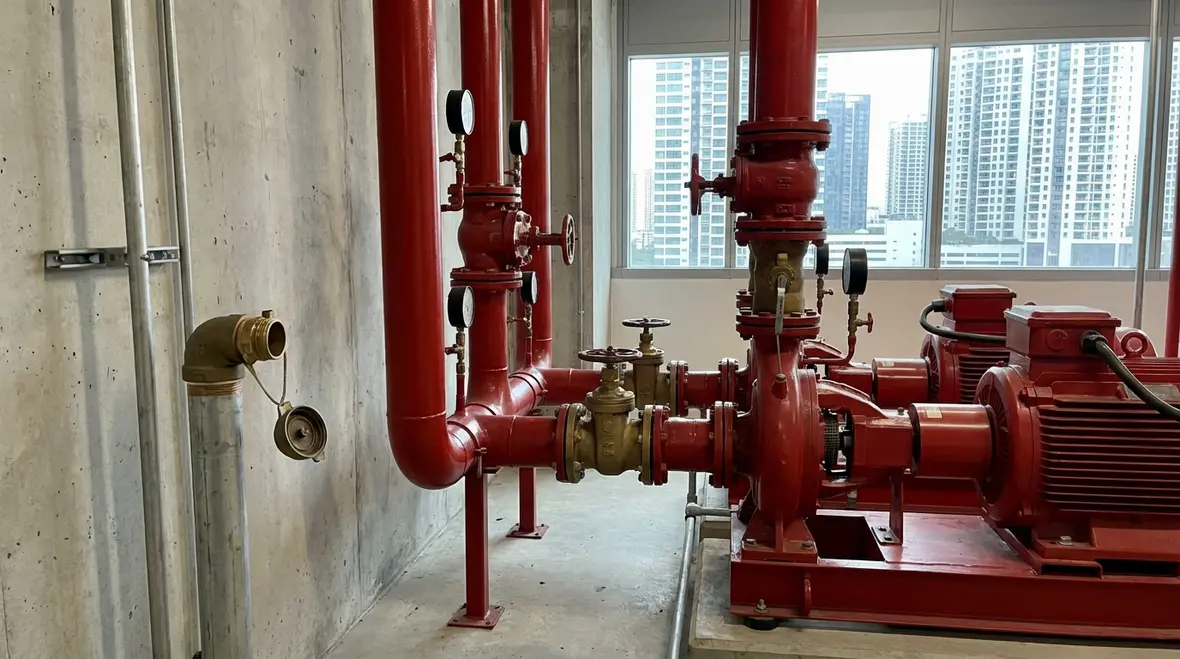
Fire Pump Standpipe System Requirements for Buildings
How Fire Pumps Support Standpipe Systems: Keeping Your Building Safer Than Batman’s Cave
If you’re managing a commercial property or industrial facility, you’ve probably heard the whisper of a code inspector or safety officer murmuring about fire pump standpipe system requirements. Maybe it was buried in a thick binder the size of a family Bible or strewn across those endless emails from your facilities team. Either way, if you’re running buildings more complex than a Swiss Army knife, listen up. Understanding how fire pumps support standpipe systems isn’t just helpful—it’s essential for saving lives, property, and yeah…a metric ton of insurance headaches.
Let’s break it down in a way even your least technical buddy from accounting can appreciate. Starting with the basics, fire pumps are the muscle behind your standpipe’s fire-fighting hustle. Without them, your system’s ability to deliver water to upper floors during a fire is basically on par with using a squirt gun to put out a campfire.
So, go ahead. Grab your coffee (or something stronger—we won’t judge). This is going to be informative, eye-opening, and maybe even a little fun.
Why Fire Pumps Are the Unsung Heroes of High-Rises
Picture this: a fire breaks out on the 18th floor of your downtown office tower. Cue the hero music. But wait—your local water supply? It’s coming in at a lackluster 50 psi. Not exactly enough pressure to shoot water upwards eight stories, let alone eighteen. That’s where fire pumps step in, cape and all.
Fire pumps increase water pressure, making sure that the standpipe system can deliver water to hose valves located on every floor. Without adequate pressure, that fire hose may be little more than a decoration… and your insurance company’s next best friend.
The reality? Municipal water pressure varies wildly. One hour it’s fine; the next, it’s like trying to suck a milkshake through a coffee stirrer. Fire pumps correct all that by providing the needed consistency—like Dwayne “The Rock” Johnson appearing in every action movie ever made. Reliable, strong, and absolutely everywhere he needs to be.
Quick Reality Check
If your building relies on “whatever the city sends today,” your fire protection plan is built on wishful thinking, not on solid fire pump standpipe system requirements that actually work when it matters.
Inside the Machinery: What Fire Pumps Actually Do
Let’s get under the hood. A fire pump system has one job—okay, two if you count showing off during inspections. But mostly? Its role is simple: ensure water gets from point A to point B with the power of a thousand kegs at a frat party.
Here’s how:
- Suction Source: Fire pumps draw water from a reliable source—either a tank, reservoir, or city water line.
- Power Options: They run on diesel, electricity, or steam (yes, steam, like it’s 1892).
- Discharge Power: They push water through the standpipe system with enough PSI to climb dozens of floors reliably.
From Hose to High-Rise
Think of it like upgrading from a garden hose to a pressure washer. Only instead of cleaning your deck, you’re protecting millions in assets and people’s lives. No pressure. Pun absolutely intended.
Standpipes Without Fire Pumps? Let’s Not.
If you’re wondering whether it’s ever okay to run a standpipe system without a fire pump, you probably also believe your office printer has a soul. (Spoiler: it doesn’t. And it hates you.)
The only situations where you might skip a fire pump are in low-rise buildings or facilities with unusually high municipal pressure, which is about as rare as a polite Twitter debate. Even then, you’re gambling. Codes change, pressures vary, and a standpipe system without backup muscle is like a fire truck without brakes.
NFPA 14, for instance, separates standpipes into three classes. Only Class I systems—intended for fire department use only—are ever even considered without a fire pump. For commercial and industrial properties—especially those going vertical—a fire pump is more than code compliance. It’s basic logic.
Risk Alert
Running a tall or complex building without a fire pump is the fast track to failing both inspections and the real-world test your building will eventually face.
Fire Pump Standpipe System Requirements: What You Actually Need
It’s here. The moment you’ve all been waiting for. Time to talk fire pump standpipe system requirements. You want expectations? Good, because so does your local fire inspector.
For a commercial or industrial facility, expect the following standards to hit you harder than a Monday morning:
Fire Pump Requirements
- Must comply with NFPA 20 (for a deeper overview, check out NFPA 20 fire pump design and installation guidance)
- Minimum 500 GPM capacity
- Must be tested monthly
- Needs reliable external or emergency power source
Standpipe Requirements
- Class I or III for high-rises
- Minimum 100 psi at the topmost outlet
- System hose outlets every 130 feet max
- Vertical reach per code—multiple risers in large properties
Failing to meet these? Let’s just say you might as well pre-fill your paperwork for future violations now. Or better yet, just comply. It’s cheaper—and it keeps your fire pump standpipe system requirements aligned with what your AHJ actually wants to see.
Maintenance: The Not-So-Optional Checklist
I know what you’re thinking. Install the thing, then forget it until a fire…right? That’s basically the plot of every disaster movie ever made—right before the lights go out and Jeff from accounting gets stuck in the elevator.
The reality is, fire pumps are only effective if they’re kept in working order. Ask any seasoned facility manager and they’ll tell you: neglect leaves you vulnerable. Just like never updating your phone’s OS… except with way bigger consequences.
Here’s what regular maintenance should include:
- Weekly churn testing to ensure the pump starts and runs
- Monthly full-flow testing simulating real fire conditions
- Annual inspections by licensed professionals
- Immediate repairs for any wear, tears, or pump drama
Inspector-Approved Habits
If you build maintenance routines around your fire pump standpipe system requirements, inspections become a formality—not a full-contact sport between you and the AHJ.
Okay Google: “How Do Fire Pumps Help in Emergency Situations?”
Excellent question, curious AI user. When the alarm rings and sprinklers start hissing, your fire pump ensures there’s enough water pressure and volume to handle demand. Especially above a building’s fifth floor, municipal water isn’t going to cut it.
Also, a standby generator attached to the fire pump can operate even if your main power source pulls a disappearing act. So, the goal? A fire doesn’t become a multi-level cooking contest with office chairs and file cabinets as the main course.
Instead, the fire pump sends water with power, precision, and just enough vengeance to overwhelm the flames while your fire team works their magic. Not to exaggerate here—but it gives your emergency plan the horsepower of a Hollywood action sequence. Just fewer explosions (if everything goes right).
When Power Goes Out
Diesel-driven or backup-powered pumps are a crucial piece of modern fire pump standpipe system requirements, because fires and power outages are best friends in all the wrong ways.
Frequently Asked Questions
Conclusion: It’s Time to Pump Up Your Safety Game
If you’re responsible for a commercial building or industrial facility, overlooking the fire pump standpipe system requirements isn’t just risky—it’s reckless. The fire pump and standpipe combo is your first line of defense when systems fail and seconds count.
Don’t wait for “the big one” to show the cracks in your prep plan. Make the call, schedule that inspection, and bolster your building’s firefighting capability today. From understanding codes to documenting maintenance, treating fire pump standpipe system requirements as a living checklist—not a dusty binder—keeps your people safer and your operation more resilient.
Your future fire inspector (and your peace of mind) will thank you. And if everything works the way it should, your tenants may never even know how close they came to starring in their own disaster flick—which is exactly how building safety is supposed to feel.