Fire Pump System Maintenance Stockton Guide
Keeping the heart of your fire protection system healthy is not optional. It is the difference between a controlled incident and a catastrophic loss when something goes wrong inside your facility.
Let me paint a picture. It is a quiet night in Stockton. A massive distribution center hums along. Forklifts glide. Inventory moves. Then somewhere, deep in the bones of the building, a sprinkler head calls for water. In that moment, the unsung hero of fire protection wakes up. The fire pump.
I spend a lot of time talking with facility managers about fire pump system maintenance Stockton. Most people know the pump exists. However, few understand how much depends on it. When a fire protection system demands water, the pump delivers pressure, speed, and reliability. Without it, sprinklers become fancy ceiling decorations.
So today, I want to slow things down and walk through fire pump awareness for commercial and industrial facilities across Stockton. Think of this less like a lecture and more like a calm conversation over coffee. Except the coffee is strong and the stakes are, well, your entire building.
Once you understand what is sitting in that pump room and what it needs, decisions about budgeting, scheduling, and upgrades become a lot clearer.
Why Fire Pump System Maintenance Stockton Matters for Large Facilities
First, let us be honest. Fire pumps do not get the same attention as flashy building systems. Nobody gathers around the mechanical room to admire one. There is no ribbon cutting. No applause. Just a quiet machine waiting for the worst day.
However, large commercial and industrial properties in Stockton depend on them more than almost any other safety component.
Here is why.
Many major facilities operate on municipal water pressure that simply is not strong enough to support large scale sprinkler systems. Big box warehouses. Manufacturing plants. Distribution hubs. Multi building campuses. These places require boosted pressure so water can reach the highest sprinkler head with force.
That is where the fire pump steps in.
Yet pumps are mechanical systems. And mechanical systems, much like my old pickup truck, need regular care. If neglected, they become unpredictable. Unfortunately, unpredictability is the last thing you want during a fire emergency.
Therefore, routine inspection and professional servicing keep the pump ready to respond instantly. A well maintained system starts quickly, maintains pressure, and runs as long as needed. In other words, it performs like the quiet superhero it was designed to be. The core of that reliability is structured fire pump system maintenance Stockton that never slips off the calendar.
How Do I Know If My Facility Needs a Fire Pump?
This question comes up often when I speak with building engineers across Stockton.
The answer usually appears in the building design itself. Fire pumps are typically required when sprinkler systems need more pressure than the city supply can provide.
Common conditions that call for a fire pump
- Large industrial buildings with extensive sprinkler coverage
- High rise commercial structures
- Facilities storing high value or sensitive materials
- Campuses with long underground piping runs
- Sites where municipal pressure fluctuates
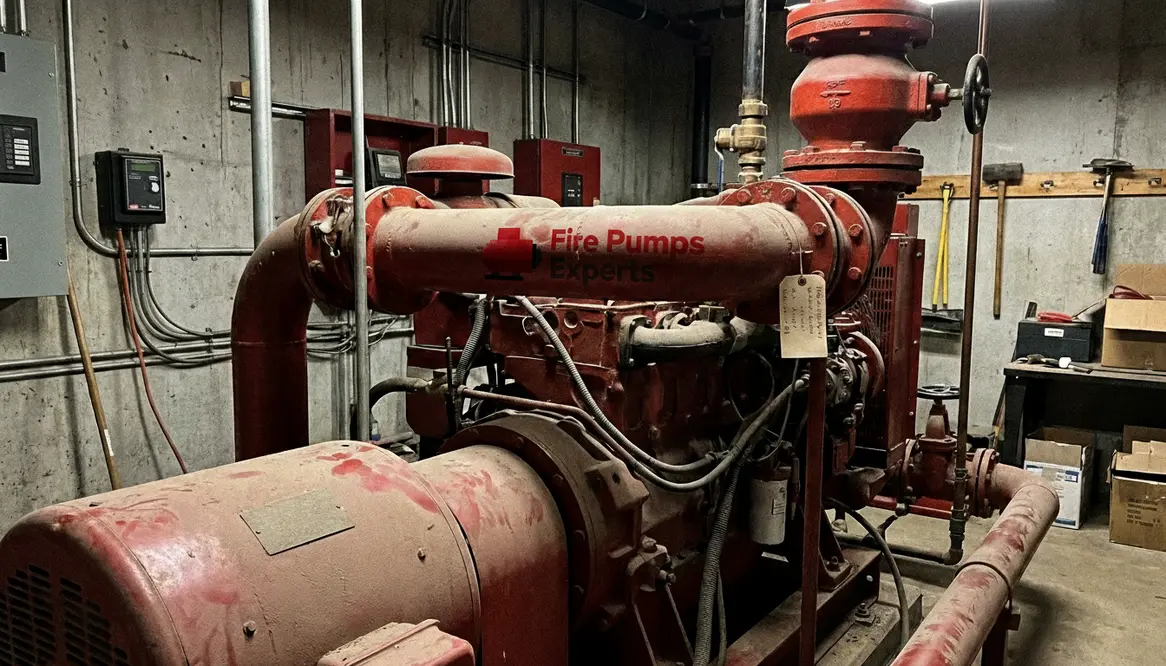
However, the real clue sits in your fire protection room. If you walk in and see a large pump connected to a dedicated controller and a serious looking diesel or electric motor, congratulations. You own one.
Now the responsibility shifts to awareness and upkeep.
Because while the pump may look like it could power a submarine, it still needs structured testing, monitoring, and inspection to stay compliant and reliable.
Daily Awareness Inside the Fire Pump Room
I always tell facility teams the same thing. Awareness beats surprises.
Although certified technicians handle detailed servicing, building staff can still keep a watchful eye. A quick walk through the pump room can reveal issues long before they turn into failures.
Think of it like checking the oil in a car. Simple observation goes a long way.
What I Check First
- Pump room temperature stays stable
- No unusual vibration or sound
- Controller panel shows normal status
- Valves remain fully open and sealed
- No visible leaks near pump casing
What Raises Concern
- Corrosion forming on piping
- Controller alarms or warning lights
- Fuel issues in diesel driven pumps
- Electrical irregularities
- Obstructions around equipment
Meanwhile, keeping the room clean matters more than people expect. Storage boxes, forgotten pallets, or random equipment creeping into the pump space create hazards. Besides, fire inspectors have a keen eye for clutter.
And trust me, they notice everything.
If Sherlock Holmes inspected fire pump rooms, he would probably retire wealthy.
Fire Pump System Maintenance Stockton for Compliance and Performance
Now we arrive at the part many facility managers whisper about. Compliance.
Regulatory standards require routine testing and documentation for fire pumps. These standards exist for a simple reason. Equipment that protects lives must work every single time.
Professional fire pump system servicing in Stockton typically includes several structured activities.
- Weekly or monthly visual inspections
- Churn testing to verify pump startup
- Annual flow testing to measure output
- Controller diagnostics
- Valve and piping verification
- Fuel system checks for diesel units
Each of these steps confirms that the pump can deliver the required pressure during an emergency. Additionally, technicians log performance data to track long term trends. That data becomes extremely valuable. Subtle changes in pressure curves or startup times can reveal developing problems.
Consequently, early detection prevents expensive repairs later.
And let me tell you, replacing a failed pump during a compliance crisis is about as fun as explaining a missing shipment to your biggest client.
Routine fire pump system maintenance Stockton protects more than code compliance. It protects business continuity. When facilities operate around the clock, downtime becomes costly fast.
If you want to go a level deeper into how standards shape these expectations, resources like Kord Fire's NFPA 20 overview at https://kordfire.com/how-nfpa-20-regulates-fire-pump-systems/ show how design, testing, and documentation come together.
What Facility Managers in Stockton Should Ask Their Fire Protection Partner
Over the years, I have learned something interesting. The best facility managers ask great questions. They do not just sign inspection reports. Instead, they want to understand what those reports actually mean.
If you manage a large property, here are a few smart questions worth asking your service provider.
Questions that turn a basic inspection into a strategy session
- How did the pump perform during the last flow test
- Are pressure readings trending differently than last year
- Is the controller firmware current
- Do any valves show early wear
- Are there risks related to aging equipment
These questions turn maintenance visits into strategic conversations. In turn, you gain insight into the health of your fire protection infrastructure.
Besides, the pump room is not just another mechanical space. It is the beating heart of your suppression system.
And much like the Millennium Falcon in Star Wars, things work best when someone knowledgeable keeps an eye on the engine.
FAQ About Fire Pump Systems for Stockton Facilities
Below are some of the most common questions I hear when discussing fire pump system maintenance Stockton wide, along with straightforward answers you can share with your team.
Protecting Stockton Facilities Starts with Awareness
When I walk into a commercial facility and see a well maintained fire pump system, I see something bigger than equipment. I see preparation. I see responsibility. And honestly, I see a team that refuses to leave safety to chance.
If your Stockton facility depends on a fire pump, the smartest move you can make is proactive care. Schedule professional inspections, monitor system health, and keep your pump ready for the moment it matters most. Because when pressure drops and sprinklers activate, the only thing that should hesitate is the fire.
Treating fire pump system maintenance Stockton as a recurring priority rather than a one time project keeps people safe, protects assets, and helps your facility pass inspections with confidence instead of anxiety.