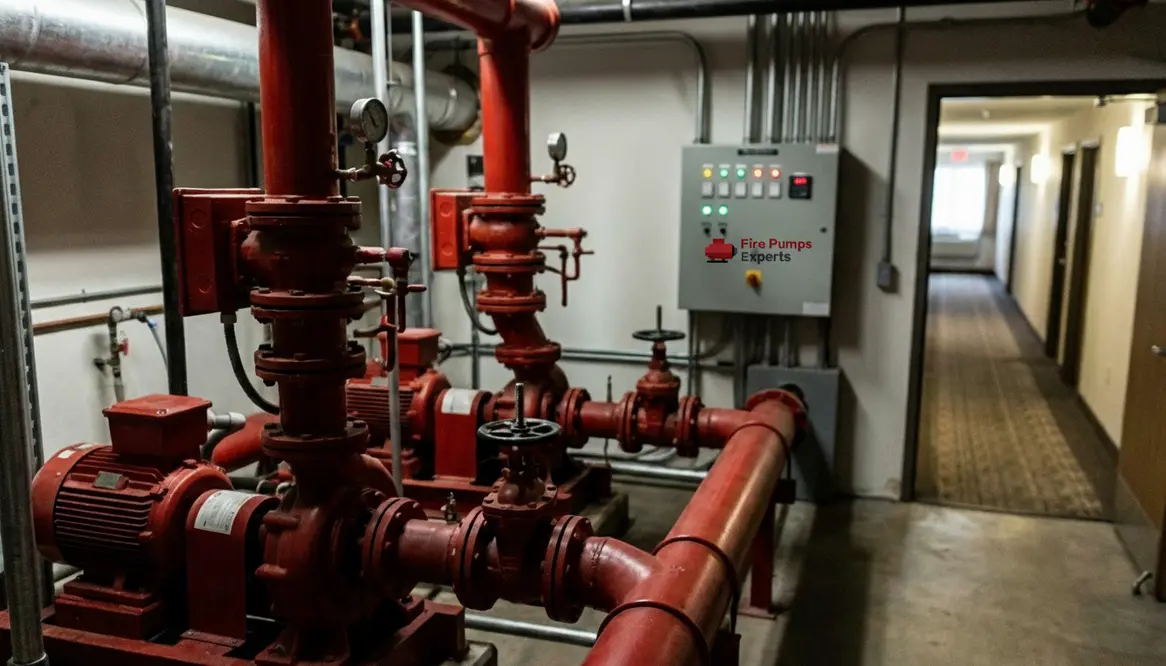
Fire Pump Systems for Extended Stay Hotels Guide
I have spent years around commercial buildings that never really sleep. Hotels, medical housing, long term corporate residences. These places hum through the night, and with that constant occupancy comes a quiet truth. Fire risk does not clock out. That is exactly why Fire Pump Systems for Extended Stay Hotels sit at the heart of modern fire protection strategies. When people live, cook, work, and rest under one roof for days or months, the system protecting them must be relentless, precise, and always ready to perform.
Why Longer Stays Change the Fire Risk Equation
At first glance, a room is a room. However, give someone a few weeks in that space and it transforms. Guests bring appliances, routines, and habits. Consequently, ignition sources multiply. Cooking increases. Electrical loads shift. And yes, someone always tries to toast something at 2 a.m. that should never meet a toaster.
Because of this, I approach long duration occupancy with a different mindset. The fire load is more dynamic, and the margin for error shrinks. Therefore, suppression systems must respond faster and sustain pressure longer. Unlike short stay environments, where turnover resets risk, extended occupancy compounds it.
Fire Pump Systems for Extended Stay Hotels: What Makes Them Different
Not all fire pump setups are created equal. In extended stay environments, I prioritize consistency over everything. The system must deliver stable water pressure across multiple floors, even during peak demand. After all, a sprinkler system without adequate pressure is like a superhero without powers. Impressive suit, zero results.
In addition, these systems must handle prolonged operation. A small incident can escalate if water delivery falters midway. So I look for pumps designed for endurance, not just quick bursts. كهرب
Key elements I focus on:
- Reliable pressure maintenance across large footprints
- Redundant power sources for uninterrupted operation
- Smart controllers that detect fluctuations instantly
- Integration with building management systems
Moreover, I always recommend systems that can adapt. Buildings evolve. Occupancy patterns shift. A rigid system will eventually fall behind.
How Do I Design Fire Protection for 24 7 Occupied Buildings
I start with a simple question. What happens at 3 a.m. when staffing is minimal and response time stretches thin? That question shapes everything.
First, I ensure automatic systems carry the load. Sprinklers, alarms, and pumps must act without human intervention. Next, I map out high risk zones. Kitchens, laundry rooms, and utility spaces often hide the biggest threats.
Then, I layer protection. Detection triggers suppression. Suppression triggers alerts. Each step reinforces the next. As a result, even if one element falters, the system still stands strong.
And yes, I always plan for the unexpected. Because in my experience, the unexpected shows up right on schedule.
Balancing Comfort and Compliance Without Compromise
Guests do not check into a building thinking about fire pumps. They expect comfort. Quiet. Safety that feels invisible. That is where thoughtful design steps in.
For instance, I position equipment to minimize noise while maintaining accessibility. I also ensure maintenance routines do not disrupt operations. Because nothing ruins a long stay faster than a surprise system test that sounds like a spaceship landing.
At the same time, I never cut corners on compliance. Codes exist for a reason. However, I treat them as a baseline, not a finish line. I aim higher, because real safety lives above minimum requirements.
Operational Insights That Keep Systems Ready
Proactive Maintenance
I schedule regular inspections and performance tests. Additionally, I monitor system data to catch issues early. Small fixes today prevent big failures tomorrow.
Training On Site Teams
Staff must know how systems behave. Not in theory, but in practice. Therefore, I walk teams through real scenarios so they respond with confidence.
Data Driven Adjustments
Usage patterns reveal stress points. So I adjust system settings based on actual demand, not assumptions.
Redundancy Planning
Backup power and secondary pumps ensure continuity. Because relying on a single line of defense is a gamble I never take.
Fire Pump Systems for Extended Stay Hotels and Future Ready Protection
The future is not coming. It is already here, quietly upgrading our expectations. Smart systems now predict failures before they happen. Sensors feed real time data. And integration ties everything into a single, responsive network.
I see this as a turning point. Instead of reacting to fire events, we are starting to anticipate them. That shift changes everything. It reduces risk, lowers downtime, and ultimately protects both people and property more effectively.
Still, technology alone is not the hero. It is how we design, maintain, and respect these systems that makes the difference. Even the most advanced setup needs a human who cares enough to get it right.
FAQ
Conclusion
Fire protection in long duration occupancy is not just a requirement. It is a responsibility I take seriously every time I step into a facility. If you manage or own a commercial property where people live and stay, now is the time to evaluate your systems. Let us strengthen your safety strategy with solutions built for endurance, precision, and peace of mind. Reach out today and take control of protection that never sleeps.