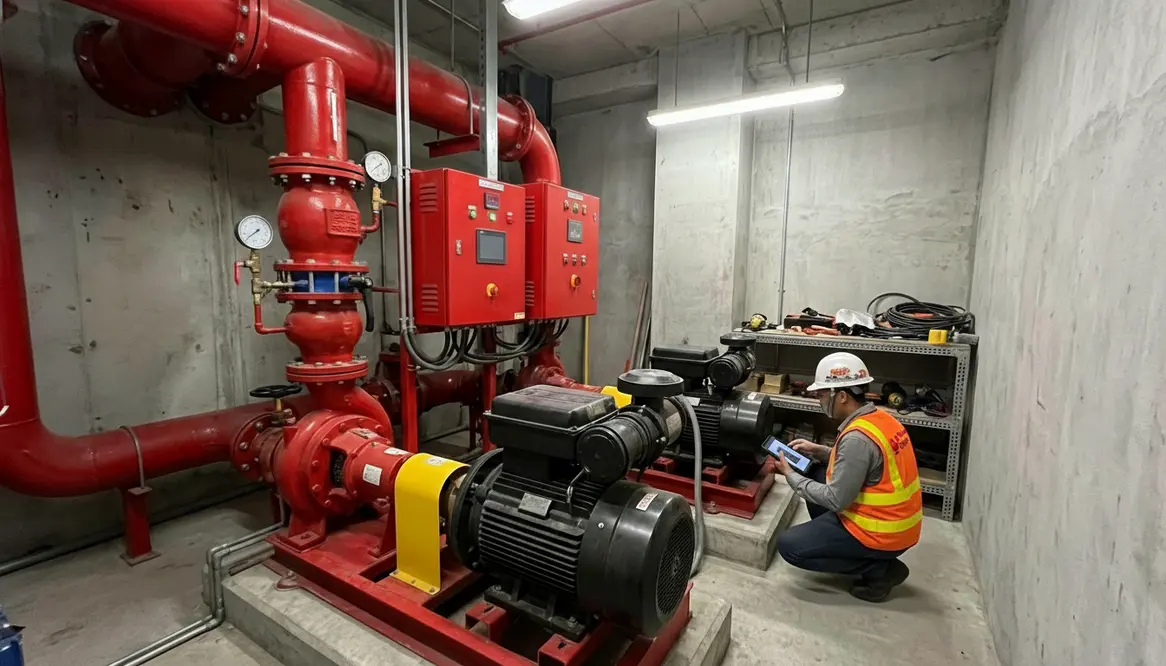
Fire Pump Systems for Mixed Use High Rise Towers
I have spent years walking the mechanical floors of towering buildings, where the hum of machinery feels almost like a heartbeat. In mixed use high rise developments, that heartbeat depends on one thing above all else: reliability. That is where exhibition center fire pumps quietly set the standard. Although their name may suggest vast event halls, their design philosophy carries beautifully into complex vertical environments where residential, commercial, and industrial spaces coexist. And yes, if buildings had personalities, these pumps would be the calm, unshakable type who never forgets their job even when everything else is on fire. Literally.
How I Design Fire Pump Systems for Mixed Use Towers
When I approach a mixed use high rise, I do not see one building. I see layers of risk stacked on top of each other. Retail spaces bring open access and high foot traffic. Offices demand continuity. Residential floors expect safety without disruption. Therefore, I design fire pump systems with zoning precision.
First, I separate pressure zones to match elevation changes. Then, I align pump capacity with the most demanding scenario, not the average one. Because in fire protection, average is just another word for unprepared. Additionally, I always factor in redundancy. One pump is good. Two pumps mean I can sleep at night.
Moreover, I select systems that mirror the resilience seen in exhibition grade pump setups. They are built for crowds, unpredictability, and scale. Sound familiar? It should.
What Makes Fire Pump Systems Reliable in High Rise Buildings?
Reliability is not a feature. It is a discipline. I achieve it by combining mechanical strength with intelligent controls. For instance, I prioritize diesel and electric pump combinations. If power fails, the system does not even blink. It simply switches gears like a seasoned driver in traffic.
Furthermore, I design with maintenance in mind. A system that cannot be serviced easily will eventually fail. So I ensure access, visibility, and monitoring are built in from day one.
And yes, I insist on rigorous testing protocols. Weekly churn tests, monthly inspections, and full flow testing are not optional. They are the difference between confidence and crossed fingers.
Key Components I Never Compromise On
Every fire pump system is only as strong as its weakest part. So I pay close attention to each component, ensuring it performs under pressure. Because when things heat up, literally, excuses do not extinguish fires.
Pump Units
I choose pumps that handle peak demand without strain. Oversizing slightly is smarter than running at the edge.
Controllers
Modern controllers provide real time diagnostics. They tell me what is happening before something goes wrong.
Water Supply
I secure consistent supply through tanks or reliable mains. No water means no system. Simple as that.
Jockey Pumps
These maintain system pressure quietly in the background. Think of them as the unsung heroes.
In addition, I often draw inspiration from exhibition center fire pumps because they are engineered for continuous readiness under fluctuating demand. That mindset translates perfectly into high rise environments.
Balancing Pressure Zones Without Overcomplicating the System
High rise buildings introduce a classic challenge: pressure increases as you go down. Too much pressure damages pipes. Too little leaves upper floors vulnerable. So I divide the building into manageable zones.
Then, I assign dedicated pumps or pressure reducing devices to each zone. This keeps performance steady across all levels. Meanwhile, I avoid overengineering. Because complexity may look impressive on paper, but it often fails in practice.
Also, I integrate smart monitoring systems. These allow facility teams to track performance in real time. If something drifts out of range, they know immediately. No guesswork. No surprises.
How I Future Proof Fire Pump Systems in Commercial Towers
Buildings evolve. Tenants change. Usage shifts. Therefore, I design fire pump systems that adapt without major overhauls.
For example, I leave room for capacity expansion. I ensure piping layouts allow modifications. And I select control systems that can integrate with future building management technologies.
Additionally, I consider sustainability. Efficient pumps reduce energy use without sacrificing performance. Because saving power while maintaining safety is not just smart, it is expected.
And let us be honest, no one wants to explain to stakeholders why a system became obsolete faster than last year’s smartphone.
Common Pitfalls I Avoid in High Rise Fire Protection
I have seen systems fail, not because of bad equipment, but because of poor planning. So I stay clear of a few common traps.
First, underestimating demand. Mixed use buildings rarely behave predictably. I always plan for peak scenarios.
Second, ignoring maintenance access. If technicians struggle to reach components, maintenance gets delayed. That is a risk I refuse to take.
Finally, disconnecting system design from real world operations. A system must work not just in theory, but during chaos. That is the true test.
Where Exhibition-Grade Thinking Elevates Tower Protection
In my experience, exhibition center fire pumps are a kind of unfair advantage when you borrow their philosophy for mixed use towers. They are designed for buildings that host tens of thousands of people who never read the evacuation plan and still expect to walk out safely if something goes wrong.
That is why I lean on the same mindset for vertical developments. You want equipment that handles strange loading patterns, events that run late, retail spaces that flip overnight, and office tenants who plug in more devices every year. In that sense, the way we treat exhibition center fire pumps becomes a blueprint for long term resilience in high rise environments, not just for showpiece venues.
FAQ About Fire Pump Systems for Mixed Use High Rise Developments
Facility teams, owners, and even architects tend to circle around the same questions when we talk about high rise protection. A lot of those questions come from trying to balance cost, compliance, and the kind of reliability you expect from top tier venues that rely on exhibition center fire pumps for mission critical protection.
Conclusion
When I design fire pump systems for mixed use high rise developments, I focus on strength, adaptability, and absolute dependability. The stakes are too high for shortcuts. Borrowing proven lessons from exhibition center fire pumps, I build for crowds, complexity, and change, not just code minimums.
If you are planning or upgrading a commercial or industrial property, now is the time to invest in a system that performs when it matters most. Reach out through a specialist resource such as https://firepumps.org, bring the right team to the table early, and commit to a design that stands tall, stays ready, and never backs down when tested.