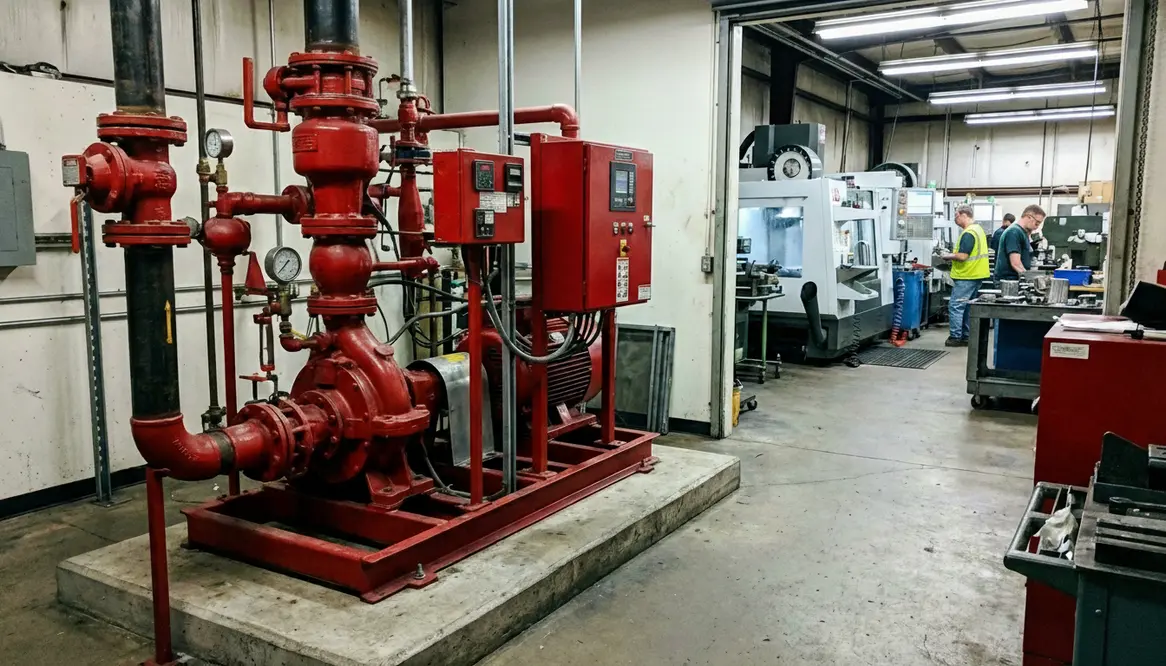
Fire Pump Systems for Tool and Die Shop Safety
I have spent enough time walking through humming shop floors to know one thing for certain. Precision does not forgive mistakes. Not in tooling. Not in safety. And certainly not in fire protection. When I talk about Fire safety in precision manufacturing spaces, I am not speaking in abstract terms. I am talking about real systems that must perform flawlessly when heat, sparks, and oil decide to collaborate in the worst way possible. Tool and die shops may look controlled and methodical, but beneath that calm lies a steady presence of ignition risks that demand serious fire pump planning.
What makes fire pump systems essential in tool and die shops?
Tool and die environments bring together metal shavings, cutting fluids, electrical systems, and high friction processes. That combination is like casting a movie where every character has a short temper. Eventually, something sparks.
Because of this, I always approach these facilities with one principle in mind. Water must arrive fast, with pressure, and without hesitation. Fire pumps ensure that sprinkler systems and hose lines maintain the flow needed to suppress fires before they escalate.
Without a properly designed fire pump, even a well installed sprinkler system can underperform. It is like having a sports car with no fuel. Looks impressive. Goes nowhere.
Understanding hazard classifications and water demand
Before I even think about pump size, I look at hazard classification. Tool and die shops often fall under Ordinary Hazard Group 2 or higher depending on materials and processes. That classification directly impacts required flow rates and pressure.
However, I never assume. I evaluate:
- Type of machining operations
- Presence of flammable liquids
- Storage configurations
- Electrical load density
Once I define the hazard level, I calculate system demand. Then, and only then, I determine whether the municipal water supply can meet it. If it cannot, and in many cases it cannot, a fire pump becomes non negotiable.
Fire safety in precision manufacturing spaces and pump selection
Choosing the right fire pump is not about picking the biggest unit on the shelf. It is about precision, which feels fitting given the environment.
I typically evaluate three main pump types:
- Electric fire pumps which are reliable and efficient when power is stable
- Diesel fire pumps which shine during power outages
- Vertical turbine pumps which are ideal when water sources are below ground
Now, if I had a dollar for every time someone said, “Let’s just go electric, it’s cheaper,” I would probably be writing this from a beach. The truth is, power reliability matters. Tool and die shops often cannot afford downtime, so redundancy becomes part of the conversation.
Key design considerations I always prioritize
- Required flow and pressure based on hazard
- Available water supply curve
- Backup power needs
- Space constraints in mechanical rooms
Common pitfalls I work to avoid
- Undersized pumps that fail under demand
- Ignoring pressure losses in long pipe runs
- Poor maintenance access
- Overlooking future facility expansion
How do I ensure compliance with fire codes and standards?
I follow NFPA standards closely, particularly NFPA 20 for fire pumps and NFPA 13 for sprinkler systems. These are not casual suggestions. They are the rulebook.
But compliance is not just about passing inspection. It is about performance under stress. Inspectors visit once in a while. Fire shows up unannounced.
Therefore, I coordinate with local authorities, verify testing protocols, and ensure acceptance testing is thorough. I want to see that pump run like it means it.
Installation and testing that actually hold up
Even the best pump can fail if installed poorly. I have seen pristine equipment undone by rushed installation. It is like buying a grand piano and then dropping it down the stairs.
I focus on alignment, proper anchoring, and correct controller setup. তারপর, I insist on full flow testing. Not partial. Not simulated. Real flow.
Additionally, I make sure the system includes:
- Pressure relief valves where needed
- Reliable suction piping design
- Clear labeling for operators
Maintenance is where most systems quietly fail
Here is the uncomfortable truth. Many fire pumps are perfect on day one and questionable by year three. Not because they are flawed, but because they are ignored.
I always recommend routine testing schedules in line with NFPA guidelines. Weekly churn tests. Monthly inspections. Annual flow tests.
And yes, I know. Maintenance is not exciting. Neither is flossing, but we all understand the consequences of skipping it.
Consistent upkeep ensures that industrial fire protection systems remain dependable. It also extends equipment life and reduces costly surprises. This is where strong planning for Fire safety in precision manufacturing spaces moves from theory to lived reality for every machine operator on the floor.
Routine maintenance also keeps documentation tight, something insurance carriers quietly appreciate when evaluating Fire safety in precision manufacturing spaces. Detailed logs of churn tests, controller checks, and valve inspections create a traceable story of reliability instead of crossed fingers and hope.
Why Fire safety in precision manufacturing spaces changes design decisions
When tolerances are measured in thousandths of an inch and production runs are built around just-in-time schedules, Fire safety in precision manufacturing spaces stops being a checkbox and turns into a core design driver. Fire pumps, risers, and control valves are no longer background utilities; they are part of the risk blueprint that keeps high-value tooling, molds, and CNC equipment from being written off after a single uncontrolled event.
In this kind of environment, fire protection decisions affect everything from how you lay out machining cells to where you route oil lines and electrical trunks. Thoughtful integration early in the design avoids awkward retrofits later and keeps operators from treating life safety hardware like inconvenient obstacles.
FAQ
Conclusion
When I design fire pump systems for tool and die shops, I think beyond compliance. I think about resilience, reliability, and real world performance. If your facility depends on precision, your fire protection should match it. Work with specialists who understand industrial demands and refuse shortcuts. The right fire pump system does more than meet code. It protects your people, your equipment, and your operation when it matters most. Reach out to professionals who take that responsibility seriously.