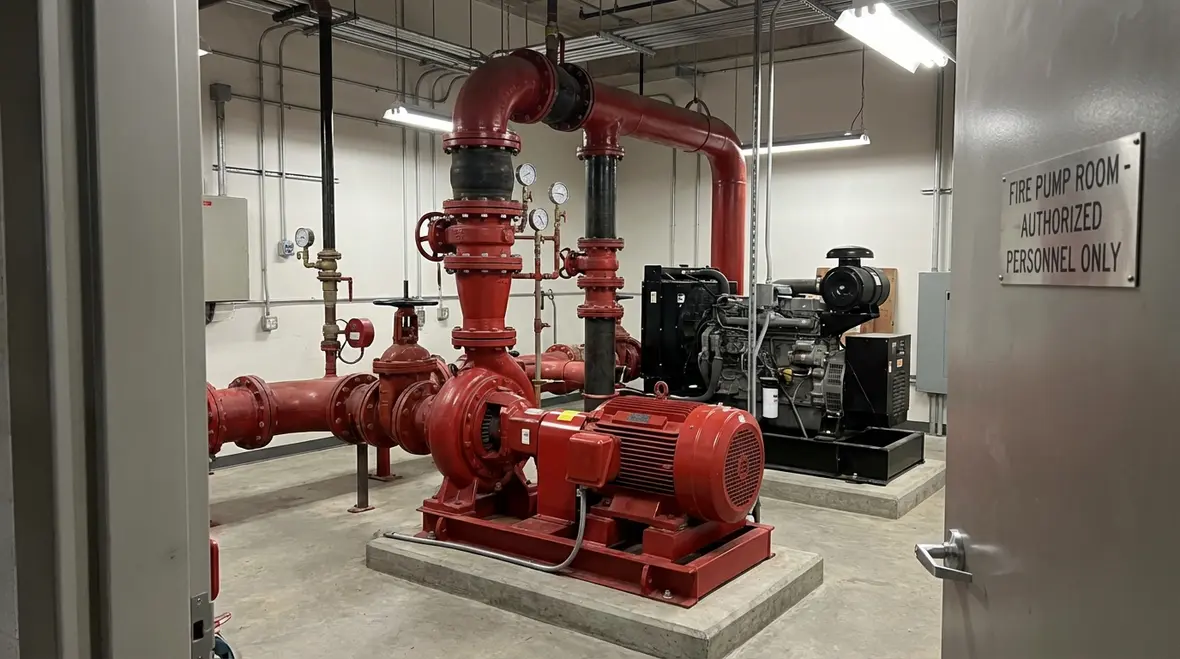
Fire Pumps for Buildings and Industry Safety Explained
What Are Fire Pumps? The Beating Heart Behind Large-Scale Fire Safety
Picture this: you’re managing a towering high-rise, a sprawling industrial plant, or a massive commercial complex. Everything seems to be ticking along just fine. Then, the unthinkable happens — a fire breaks out. Alarms blare, sprinklers activate, and your carefully crafted emergency response plan is set into motion. But none of that — and I mean none — works effectively without one unsung hero: the fire pump.
At FirePumps.org, we specialize in safeguarding commercial and industrial facilities by making sure your fire pumps don’t just sit around collecting dust — they work when it’s do-or-die. Because in the world of property safety, there are no reruns, and definitely no commercial breaks.
Now, sit back, and let’s break down what fire pumps really are. Pull up a chair, maybe pour a drink (I recommend water — it seems fitting), and let’s talk shop.
Why Fire Pumps Matter (Hint: They’re Not Just Fancy Water Guns)

Fire pumps are mechanical devices designed to boost water pressure in fire sprinkler and standpipe systems. In tall buildings or vast properties, the pressure from a municipal water supply simply doesn’t cut it. Without a fire pump, your top-floor sprinklers might as well attempt fire suppression by interpretive dance — dramatic, but useless.
They’re not the flashiest machines. They don’t star in summer blockbusters or get featured on “Shark Tank.” But when fire strikes, they’re the real-life action heroes. Think of fire pumps as the MCU’s Nick Fury — behind the scenes, always prepared, saves the day when it really counts.
Fire pumps get activated when system pressure drops below a set threshold — something that naturally happens when a sprinkler system kicks into action. As soon as that happens, these pumps roar to life, pushing high-pressure water throughout your system so your building doesn’t end up auditioning for a BBQ cookout.
Understanding Different Types of Fire Pumps
Ah yes, the many species of the humble fire pump. Like Pokémon, but with pipes — and much less adorable.
1. Centrifugal Fire Pumps
The bread and butter of commercial fire systems. When you say “fire pump,” most folks are picturing this type. Think of it as the reliable Volvo of the pump world. Durable, efficient, and knows how to hustle under pressure (pun intended).
2. Vertical Turbine Pumps
When your water supply lives in a deep well or tank rather than a city line, these long-legged heroes come into play. They draw water from below like a thirsty camel at the end of an oasis party.
3. Split Case Pumps
Split like your favorite boy band but much more reliable. These pumps are powerful, heavy-duty, and perfect for high-rises and industrial giants. Two bearings carry the weight for smoother operation and longevity. Kind of like co-parenting, but for water pressure.
4. End Suction Pumps
Compact and efficient, they’re ideal where space is at a premium. They may not bench press 500 gallons per second, but they’re perfect for commercial settings that need reliable performance in a tighter room. Could we call them the “Jason Bourne” of pumps? I think yes.
The Secret Sauce Behind Fire Pump Operation
Let’s get into the guts of this elegant beast. A fire pump isn’t a mysterious piece of magic — there’s no Hogwarts involved. It’s mechanical, predictable, and brutally efficient. Somewhere, an engineer is shedding a single tear of joy.
Each system typically includes:
- A pump driver: Either electric motors or diesel engines. If you’ve got a generator backup, electric motors are great. If you’re off-grid or want apocalypse-proof reliability, diesel’s your guy.
- A pump controller: The brain. Automatically starts the pump when system pressure drops. They even talk to your building management system — yes, they’re that polite.
- The fire pump itself: The muscle. Pulls the water and pushes it with purpose to fight anything from an electrical closet spark to a raging inferno.
And don’t forget the jockey pump — a small pump that keeps standby pressure in check. Think of it as the kindergarten teacher keeping hyperactive sprinklers in line until the big kids show up.
How Commercial and Industrial Properties Benefit from Fire Pumps
For smaller buildings, the city water system often does the trick. But if you’re managing a 50-story hotel, or a 250,000-square-foot warehouse packed with highly flammable dreams — I mean, merchandise — you need a pump system with actual backbone.
- Ensure consistent and adequate sprinkler coverage even on upper levels
- Meet building code requirements and insurance standards for high-risk occupancies
- Provide peace of mind when dealing with expensive equipment and high human traffic
Bottom line? They protect investments, lives, reputations, and prevent you from featuring on tomorrow’s headline: “Major Business Fire Could Have Been Prevented.” Nobody wants that kind of PR.
Don’t Wait Until Smoke Rises: When Should Fire Pumps Be Inspected?
If you only check your fire pump once the walls are already glowing orange, you’ve missed the plot twist, my friend.
NFPA 25 — that’s the fire safety bible around these parts — recommends:
- Weekly churn tests (no water flow) to ensure the pump starts correctly
- Monthly inspections for diesel fuel, lubrication, batteries, etc.
- Annual performance flow tests to confirm the pump still has that engine-room strength
Set up a recurring calendar alert. Name it something spicy like “Pump the Pressure.” Trust me, future-you will thank you.
Common Myths and Misunderstandings About Fire Pumps
Let’s address the awkward family dinner of fire pump knowledge: myths that refuse to die.
- “My sprinklers work fine. I don’t need a fire pump.”
Tell that to your 28th floor tenants during a fire. Gravity is not your sprinkler’s friend. - “They only turn on during actual fires, so I’ll know when something breaks.”
Right, just like how your car only needs a mechanic when it’s already halfway into a ditch. - “Fire pumps are optional in commercial buildings.”
Try saying that during your insurance claim. Fire pumps are often code-mandated. They aren’t a cherry on top — they are the cake, folks.
FAQ: Fire Pumps for Commercial & Industrial Facilities
Conclusion: Protect Your Property — One Pump at a Time
When fire strikes, there are no second chances. A high-functioning fire pump is the muscle backing your safety protocol. At FirePumps.org, we help commercial and industrial facilities stay protected with systems that are powerful, compliant, and regularly tested. Don’t wait for disaster to remind you. Let’s put proactive protection on the map — together.
Call us, inspect your pump system, and turn your building from flammable to formidable.