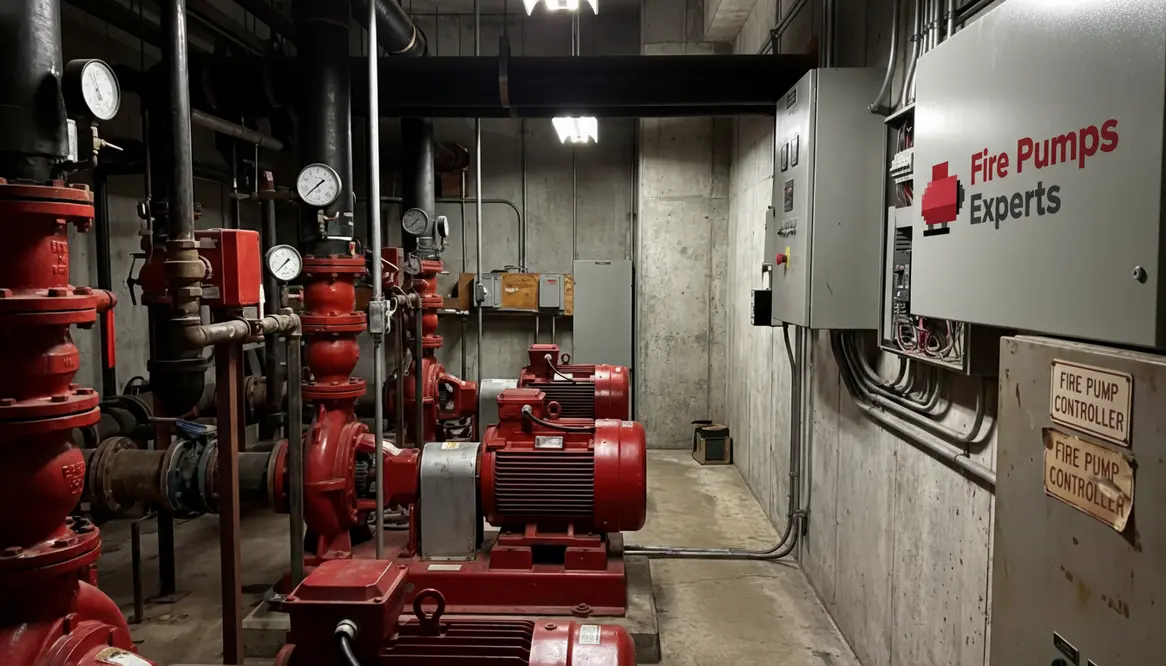
High Rise Office Fire Pump Systems Guide
I have spent years walking through tall commercial buildings, listening to the quiet hum of systems most people never notice. Fire protection is one of those systems. It waits patiently, like a bodyguard in a well tailored suit. And when it comes to protecting vertical spaces, high rise office fire pump systems sit right at the heart of that protection. Without them, water simply cannot reach where it needs to go. And in a tower of glass and steel, gravity is not your friend.
So today, I am going to walk you through what really matters in fire protection for tall office spaces. Not the brochure version. The real thing.
Why tall buildings demand a different fire protection mindset
First, height changes everything. Water pressure drops as it climbs. Meanwhile, evacuation takes longer. Fire crews need more time to reach upper floors. So, while a small building can rely on basic systems, a high rise demands precision and power.
Because of that, I always emphasize layered protection. Sprinklers alone are not enough. Standpipes, alarms, smoke control, and pump systems must work together like a well rehearsed orchestra. If one instrument fails, the whole performance suffers. And trust me, this is one concert you do not want going off key.
Additionally, modern office towers often include mixed use spaces, data centers, and high occupancy floors. Each adds complexity. Each demands tailored protection. One size fits all is a myth here, much like thinking you can fix everything with duct tape.
How do high rise office fire pump systems actually work?
Let me answer this the way most people ask it. Simple and direct.
These systems push water upward with enough force to maintain pressure across dozens of floors. When a fire starts, sensors trigger the system. Then the pump kicks in, delivering water to sprinklers and standpipes at the required pressure.
However, it is not just about power. It is about consistency. A reliable fire pump system for office towers ensures that even the highest floor receives steady flow. No drops. No hesitation.
And yes, there is a bit of drama involved. Picture it like a superhero entrance. Quiet at first, then suddenly, action. Except instead of a cape, you get controlled water pressure saving lives.
Key components that keep everything running smoothly
I always tell clients that understanding the pieces helps you trust the system. Here is what makes it all work together.
Primary fire pump
This is the main engine. It drives water through the system with force.
Backup pump
Because failure is not an option, a secondary pump stands ready.
Controller
This acts as the brain, managing activation and performance.
Water supply connection
Reliable supply from tanks or municipal sources keeps flow steady.
Pressure relief systems
These prevent over pressure that could damage pipes.
Monitoring systems
Real time data ensures everything works when needed.
Together, these elements create a system that feels almost alive. Quiet. Watchful. Ready.
Designing protection for real world risks in office towers
Now, design is where things get interesting. Because no two buildings behave the same during a fire.
For instance, open floor plans allow fire and smoke to spread faster. On the other hand, compartmentalized designs can slow progression but complicate suppression. So, I always approach design with one question in mind. How will this building behave under stress?
Then there is human behavior. People do not always follow evacuation plans. Some hesitate. Some panic. Some grab their coffee first. I wish I were joking.
Therefore, systems must compensate for unpredictability. Strong pump performance, clear alarm signaling, and effective smoke control all work together to guide people out safely while containing the threat.
Maintenance is where most buildings fall short
Here is a truth many property owners do not like hearing. Installing a system is only half the job.
Over time, components wear down. Valves stick. Sensors drift. Pumps lose efficiency. And yet, everything may look fine on the surface.
That is why routine testing is essential. Not optional. Essential.
I have seen buildings with impressive systems that failed simply because no one checked them regularly. It is like owning a luxury car and never changing the oil. It will run beautifully right up until it does not.
Regular inspections, performance testing, and system calibration keep fire protection systems in peak condition. And when we are talking about tall commercial properties, there is simply too much at stake to cut corners.
High rise office fire pump systems and future ready safety
As buildings grow smarter, so do their protection systems. Integration now plays a major role.
Modern high rise office fire pump systems connect with building management platforms. This allows real time monitoring, predictive maintenance, and faster response during emergencies.
Moreover, energy efficiency is becoming part of the conversation. Advanced systems balance performance with reduced energy use, which matters in large commercial environments.
And let us be honest, if your building can adjust lighting with a voice command, it should also be smart enough to protect itself properly.
For deeper technical standards and design guidance around high rise office fire pump systems, resources such as https://firepumps.org can help frame the conversation with your engineering and safety teams.
FAQ about fire protection in tall office buildings
Final thoughts and your next move
Protecting a tall office building is not about checking a box. It is about building a system that performs under pressure, literally. If you manage or own a commercial property, now is the time to evaluate your fire protection strategy. Work with experts who understand the demands of scale, complexity, and reliability. Because when the moment comes, your system should not hesitate. And neither should you.