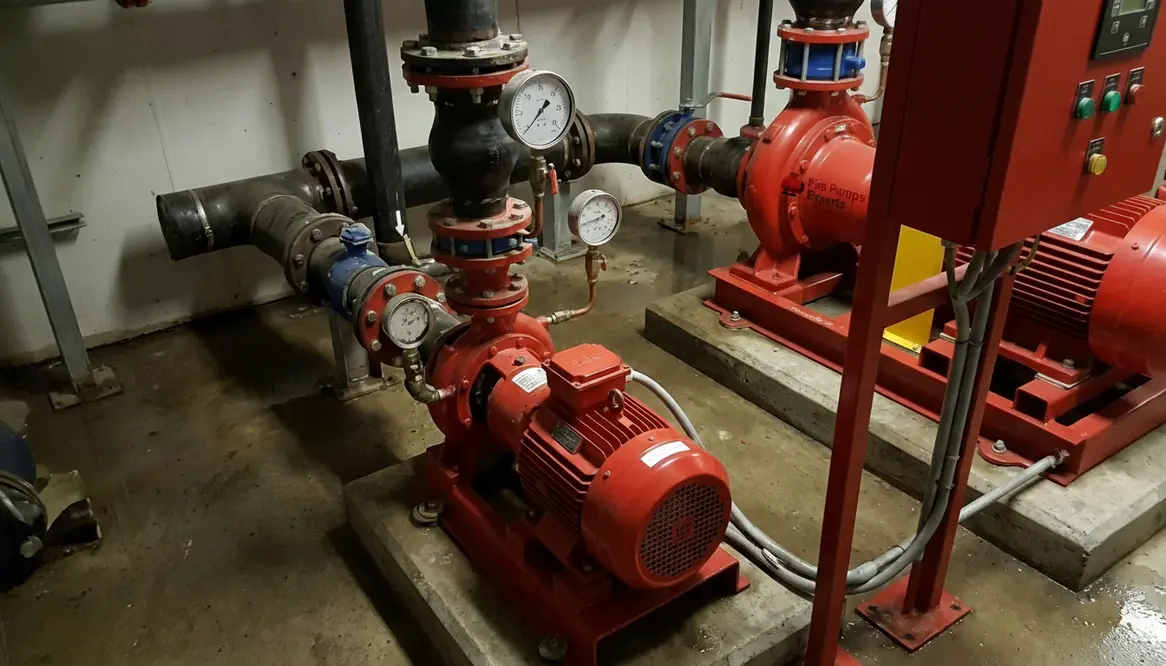
Jockey Pump Function in Fire Protection Systems
I have spent years around fire protection systems, and if there is one quiet hero that rarely gets applause, it is the jockey pump. More specifically, the jockey pump function is what keeps an entire fire pump system stable long before alarms ever sound. It maintains pressure, prevents unnecessary starts, and quietly does its job like a night watchman who never calls in sick. And while it may not have the cinematic flair of a fire engine racing through the city, it plays a role just as critical in large commercial and industrial buildings.
What Is a Jockey Pump and Why Should I Care?
In simple terms, a jockey pump is a small pump connected to a fire protection system. However, its purpose is anything but small. It maintains system pressure at a preset level, ensuring the main fire pump does not cycle on and off due to minor leaks or pressure drops.
Now, you might wonder why that matters. After all, isn’t the main fire pump the star of the show? Sure. But even superheroes need a support crew. Without a pressure maintenance pump, the main pump would start far more often than it should, leading to wear, energy waste, and costly maintenance.
So yes, caring about this component is a bit like caring about the coffee machine in an office. Ignore it, and suddenly everything falls apart.
Where the Jockey Pump Function Fits in the Big Picture
In a typical commercial fire pump installation, the jockey pump function is to quietly manage day-to-day pressure drift so the main fire pump can stay off standby until there is a real fire demand. That split of responsibilities keeps your system closer to NFPA 20 best practices and makes inspections a lot less dramatic.
If you have ever watched a system where the main pump kicks on every time someone cracks a valve or a tiny leak shows up, you already know why a properly configured jockey pump function is more than a convenience; it is a reliability strategy.
How the Jockey Pump Function Stabilizes Fire Protection Systems
I like to think of system pressure like a calm lake. Small disturbances happen all the time. Tiny leaks, temperature changes, or valve shifts can create ripples. The jockey pump function exists to smooth those ripples before they become waves.
When pressure drops slightly, the jockey pump activates automatically. It restores pressure quickly and then shuts off. As a result, the system remains stable without triggering the main fire pump.
This matters even more in high rise buildings, manufacturing plants, and data centers. In these environments, system reliability is not optional. It is essential. A stable system reduces mechanical stress and extends the life of critical equipment.
Additionally, maintaining consistent pressure ensures immediate readiness. When a real emergency happens, there is no delay. The system responds instantly, just as it was designed to do.
Core Components That Make It All Work
Behind the scenes, several parts work together to support pressure maintenance. Each one plays a role in keeping the system balanced and responsive.
Key components include:
- Pump unit: A smaller pump designed for low flow and high pressure precision.
- Controller: Automatically starts and stops the pump based on pressure settings.
- Pressure sensors: Detect even slight changes in system pressure.
- Check valves: Prevent backflow and maintain direction of water movement.
Moreover, these components are carefully calibrated. The activation point is set higher than the main pump start pressure. This separation ensures the jockey pump handles minor issues while the main pump stays reserved for actual fire events.
Think of it like having a thermostat that adjusts the temperature before you even notice discomfort. Quiet, efficient, and slightly magical.
Common Mistakes I See in Commercial Installations
Over time, I have noticed patterns. Some facilities treat the jockey pump as an afterthought. That is a mistake.
First, improper sizing is a frequent issue. If the pump is too large, it may overshoot pressure and cycle too often. If it is too small, it cannot keep up with system demands. Either way, the system loses efficiency.
Second, poor controller settings can create unnecessary wear. If the pressure differential is too tight, the pump will start and stop constantly. That is like revving your car engine at every red light. Not ideal.
Finally, lack of regular inspection leads to silent failures. And unlike a squeaky door, this is not something you want to discover during an emergency.
Tuning the Jockey Pump Function for Real-World Systems
The sweet spot for a jockey pump function is simple to describe and surprisingly easy to miss: it should run occasionally, quietly correcting pressure drift, and then disappear into the background again. If it is running nonstop, short-cycling, or sitting there like a decorative object, something in your setup is off.
Dialed-in pressure settings, correct sizing, and a clean sensing line together keep your fire pump system from behaving like it has had too much espresso and bring it back to smooth, steady operation.
Side by Side View of System Behavior
Without Proper Pressure Maintenance
- Frequent main pump starts
- Increased energy consumption
- Higher maintenance costs
- Shortened equipment lifespan
With a Well Tuned Jockey Pump System
- Stable pressure levels
- Reduced main pump usage
- Lower operational costs
- Extended system longevity
The difference is clear. One system quietly hums along. The other behaves like it has had too much espresso.
Why Modern Facilities Depend on Precise Pressure Control
Today’s commercial and industrial properties demand reliability. Whether it is a logistics hub, a hospital complex, or a high density office tower, downtime is expensive.
Therefore, maintaining consistent fire system pressure is not just about compliance. It is about operational continuity. A properly functioning jockey pump ensures that systems remain ready without unnecessary strain.
Additionally, insurance requirements and safety codes increasingly expect optimized system performance. That means every component, including the pressure maintenance pump, must perform as designed.
And let’s be honest, no facility manager wants to explain to stakeholders why a preventable issue turned into a costly repair. That is not a fun meeting. I have been in those rooms. They have the energy of a season finale where nobody wins.
Connecting the Jockey Pump Function to Overall Fire Pump Strategy
When you zoom out and look at your entire fire protection layout, the jockey pump function is one more layer in a stacked defense strategy. Sprinklers, standpipes, main fire pump, controllers, sensing lines, alarms — they all rely on the system staying within the pressure window it was designed for.
If you are responsible for a campus, high rise, or industrial facility, taking an hour to verify that your jockey pump function, pressure settings, and sensing line are all behaving as intended is a small investment compared to what a misbehaving fire pump can cost in testing, repairs, or worst case, in downtime during a real event.
For a deeper look at pressure maintenance requirements, you can review resources like Kord Fire Protection’s guide on jockey pump pressure guidelines and requirements, then compare those concepts to how your current system is actually behaving in the field.
FAQ
What does a jockey pump do?
It maintains pressure in a fire protection system and prevents the main pump from starting unnecessarily.
How is it different from the main fire pump?
It handles small pressure drops, while the main pump activates during actual fire demand.
How often should it run?
It should run occasionally to correct minor pressure losses, not continuously.
Can incorrect settings cause problems?
Yes. Poor calibration can lead to frequent cycling and equipment wear.
Is it required in all systems?
Most large commercial and industrial systems use one to maintain stability and meet standards.
Conclusion
When I look at a well designed fire protection system, I see more than pipes and pumps. I see a network built for reliability. The jockey pump plays a quiet but essential role in that network. If you manage a commercial or industrial facility, now is the time to evaluate your system, fine tune performance, and ensure every component works in harmony.
Because when the unexpected happens, preparation is everything. A thoughtful approach to the jockey pump function, main fire pump operation, and overall pressure maintenance can mean the difference between a system that just passes inspection and one that truly performs when it matters most.