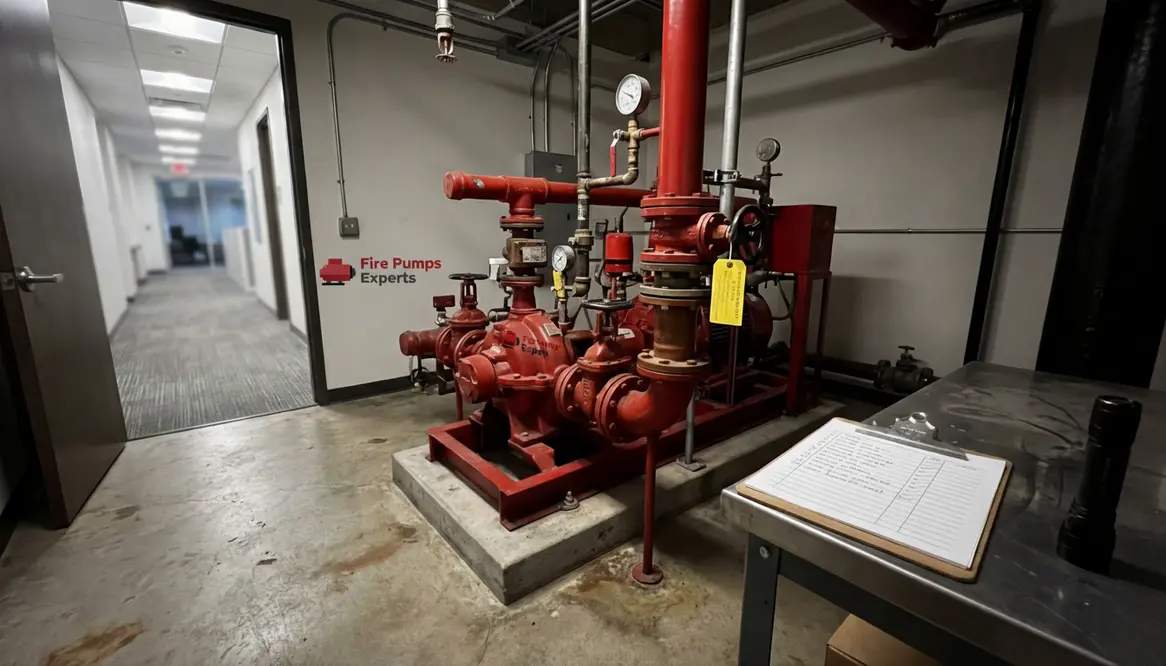
Leasing Office Fire Pump Systems for Landlords
I have walked through more office buildings than I can count, and I can tell you this right away. Fire protection is not the place for guesswork or crossed fingers. When I talk about landlord managed office assets, I am really talking about responsibility at scale. Lives, leases, and long term value all sit under one roof. That is where leasing office fire pump systems quietly earn their keep. They do not ask for applause, yet they stand ready like the unsung hero in every disaster movie, minus the dramatic soundtrack and slow motion running.
So let me guide you through what matters, what gets overlooked, and how to keep your buildings protected without turning your day into a never ending checklist.
What do I actually need to protect in a landlord managed office building
Seeing the building as one connected system
First, I look at the full picture. Fire protection is not just alarms and sprinklers. It is a layered system that works together, or fails together. I focus on three key areas.
- Life safety systems including alarms, detectors, and clear evacuation paths
- Suppression systems such as sprinklers supported by reliable pump infrastructure
- Structural safeguards like fire rated walls and protected utility zones
Now here is the catch. Even the best sprinkler layout means very little without proper water pressure. That is where fire pump systems for office properties step in. They ensure consistent flow when city supply alone cannot keep up. Think of it as giving your building a strong heartbeat when it matters most.
And yes, tenants will never notice it. That is kind of the point.
Why consistent system performance is non negotiable
Turning maintenance into a building rhythm
I have seen buildings with impressive designs fall short because maintenance was treated like an afterthought. It is a bit like owning a sports car and never changing the oil. It looks great until it does not move.
Therefore, I treat inspections and testing as part of the building rhythm. Weekly checks, monthly observations, and annual performance testing all play a role. Moreover, I make sure documentation is not buried in a drawer somewhere. If a fire marshal walks in, I want confidence, not a scavenger hunt.
Additionally, modern fire pump units for commercial buildings often include monitoring features. These allow real time alerts and performance tracking. So instead of reacting to failure, I can act before it happens. That shift alone saves time, money, and quite a few headaches.
How leasing office fire pump systems support large scale tenant safety
The quiet backbone of multi tenant assets
When I manage multi tenant office assets, I think in terms of scale. One issue can ripple across dozens of businesses. That is why leasing office fire pump systems are not just mechanical equipment. They are a backbone.
They stabilize pressure across multiple floors. They compensate for peak demand. And most importantly, they ensure that every sprinkler head performs as designed. Without that support, upper floors might as well be relying on wishful thinking.
Now, I will admit something. Fire pumps are not exactly dinner table conversation. But when they fail, they become the only topic anyone wants to discuss. So I would rather keep them boring and reliable than exciting and unpredictable.
Balancing compliance with long term asset value
Compliance as a value strategy, not a checkbox
I do not chase compliance just to check a box. I see it as a direct investment in asset value. Buildings that meet and exceed fire safety standards attract better tenants, command stronger leases, and avoid costly disruptions.
In addition, insurance providers notice the difference. A well maintained fire suppression infrastructure can influence premiums and coverage terms. That alone can justify the effort.
However, I also stay practical. Overengineering without purpose can waste resources. So I work with specialists who understand commercial and industrial scale properties. They help align system design with actual building demands, not theoretical extremes.
What I prioritize
- Reliable pump capacity for building height
- Clear maintenance schedules
- Integration with alarm systems
- Code compliance across jurisdictions
What I avoid
- Outdated equipment running on luck
- Incomplete inspection records
- Ignoring pressure inconsistencies
- Delaying upgrades until failure
How do I future proof fire protection for expanding office portfolios
Standardization, smart monitoring, and scale
Growth changes everything. As portfolios expand, so do risks and complexities. Therefore, I standardize systems where possible. This makes maintenance easier and training more consistent.
At the same time, I look ahead. Smart monitoring, remote diagnostics, and scalable pump configurations all play a role. These tools allow me to manage multiple properties without spreading resources too thin.
And let us be honest. No one wants to be the landlord explaining to tenants why a preventable issue shut down operations. That is not a conversation anyone rehearses for fun.
Common gaps I see in office building fire protection
The small issues that become big problems
Even well managed properties can miss key details. I pay close attention to these frequent gaps because they tend to hide in plain sight.
- Inconsistent testing intervals which lead to unreliable performance
- Undersized pump systems that cannot meet building demand
- Poor documentation that complicates inspections and audits
- Delayed upgrades despite clear warning signs
Fixing these issues does not require reinventing the wheel. It requires attention, planning, and the willingness to act before small problems grow into large ones.
FAQ
Conclusion
I see fire protection as a quiet contract between a building and the people inside it. When you invest in the right systems, maintain them with care, and plan for growth, you protect more than property. You protect trust. If you are managing large office assets, now is the time to evaluate your systems, strengthen your approach, and ensure every safeguard performs exactly when it should.
Leasing office fire pump systems gives you flexibility as your portfolio evolves, especially when you are integrating smarter monitoring and standardized equipment across multiple sites. That flexibility, backed by solid maintenance practices and documentation that can stand up to any audit, keeps tenants confident and operations resilient. If you want a deeper technical benchmark to measure against, resources such as https://firepumps.org can support your planning while you keep your own focus where it belongs: on performance, safety, and long term asset value.