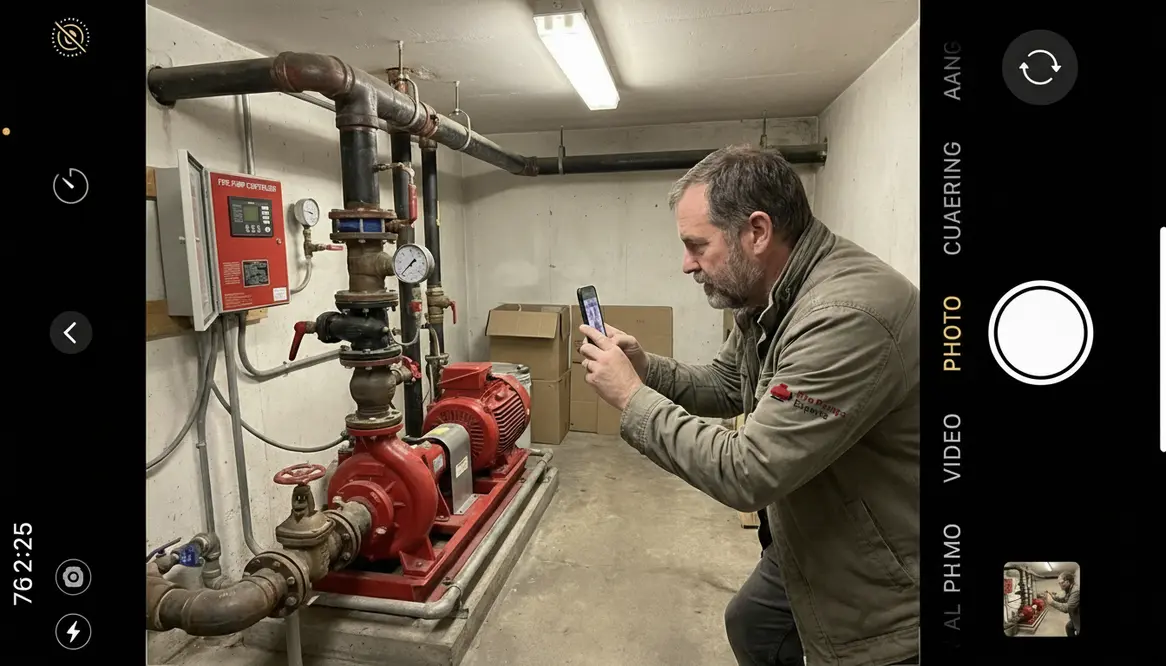
Low Rise Apartment Fire Pump Requirements Guide
I have spent enough time around properties to know this simple truth: fire does not care about your occupancy count or your budget. It shows up uninvited, like that one relative who never calls ahead. That is why I always bring up low rise apartment fire pump requirements early in any conversation about small multifamily buildings. Even when a structure feels modest, the expectations for safety are anything but. And while the rules may seem written in stone tablets somewhere, they are actually practical, grounded, and designed to keep people breathing easy at night.
So let’s walk through this together, calmly and clearly, with just enough humor to keep things from feeling like a code manual recital.
Why fire protection matters more than you think
I have seen owners assume that smaller buildings mean smaller risks. However, that logic falls apart quickly. Fires spread based on fuel, layout, and response time, not square footage pride.
Moreover, multifamily properties carry layered responsibility. You are not just protecting walls and wiring. You are protecting families, routines, and that one tenant who insists on deep frying everything.
Because of that, I always emphasize early planning. A well designed system reduces damage, limits liability, and keeps you aligned with code. More importantly, it buys time. And in fire protection, time is everything.
How do I meet low rise apartment fire pump requirements without overbuilding?
Good question. And thankfully, the answer is not “throw money at it and hope for the best.”
First, I focus on demand. Fire pumps exist to maintain pressure when municipal supply cannot keep up. So I evaluate water supply, building height, and system design together. If your incoming pressure already meets sprinkler needs, you may not even require a pump. Simple, right?
However, when pressure drops below required levels, that is when fire pump systems step in. Then I look at flow rates, standpipe needs, and safety margins. I size the pump carefully because oversizing can create system stress, while undersizing leaves you exposed.
Also, I coordinate with engineers who specialize in commercial and large scale systems. That matters. firepumps.org focuses on bigger facilities, and their approach reflects a deeper understanding of performance under pressure. Literally.
And yes, I always leave room for future adjustments. Buildings evolve. Codes shift. Tenants buy questionable appliances. Planning ahead saves headaches later.
Core components that actually protect your building
Now let’s talk about what makes a system reliable. Not flashy. Not complicated. Just effective.
Water supply stability
I make sure supply remains consistent during peak demand. Without that, everything else struggles.
Fire pump performance
When needed, the pump must activate fast and deliver steady pressure. No hesitation.
Control systems
Smart controllers monitor and trigger responses automatically. They are the quiet heroes.
Backflow prevention
Keeps water clean and compliant. Not glamorous, but essential.
Regular testing
Weekly and annual checks ensure the system actually works when called upon.
Power reliability
Backup power keeps pumps running when the grid decides to take a break.
Together, these elements form a system that does not panic under pressure. And that is exactly what you want.
Design choices that influence long term safety
I always say that design is where most problems either begin or quietly disappear.
For example, pipe layout matters more than people think. Poor routing can reduce pressure or delay response. On the other hand, efficient layouts support faster activation and even coverage.
Then there is equipment placement. I prefer accessible locations that allow maintenance teams to work without turning into contortionists. Because if it is hard to reach, it will not get serviced as often. That is just human nature.
Additionally, I consider environmental factors. Temperature swings, humidity, and even vibration can affect system performance over time. So I build with those realities in mind.
And yes, I always align with updated codes. They evolve for a reason, even if reading them feels like decoding ancient scrolls.
low rise apartment fire pump requirements and compliance strategy
Compliance is not about checking boxes. It is about creating a system that performs when everything else goes wrong.
I start with local codes and national standards, then I layer in real world conditions. Because passing inspection is one thing. Passing a real fire event is another.
Documentation also plays a role. Clear records of installation, testing, and maintenance help avoid disputes and delays. Plus, inspectors appreciate organized paperwork more than you might expect.
Finally, I work with specialists who understand large scale systems. Even for smaller multifamily buildings, that level of expertise brings consistency and confidence.
Think of it like casting a movie. You do not hire extras to play the lead role. You bring in professionals who know how to carry the scene.
How low rise apartment fire pump requirements shape real decisions
The details behind low rise apartment fire pump requirements influence everyday planning more than most owners realize. From riser placement to valve accessibility, each choice either supports fast, reliable water delivery or slows everything down when seconds matter.
When you understand those requirements, conversations with contractors and inspectors get easier. You stop guessing about pressure, flow, and redundancy, and start asking pointed questions that keep your project aligned with both safety goals and realistic budgets.
FAQ: Fire protection for small multifamily properties
Questions about low rise apartment fire pump requirements tend to repeat themselves from project to project. That is actually helpful, because it means you are not the only one trying to make sense of pressure, pumps, and code language that occasionally sounds like it was translated twice.
Final thoughts and next steps
Fire protection is not the place to cut corners or cross your fingers. I encourage you to take a closer look at your system, ask better questions, and bring in experts who understand performance at scale. If you want reliability that holds up under real pressure, connect with professionals who specialize in commercial grade solutions. The right system does more than meet code. It protects everything that matters inside those walls.