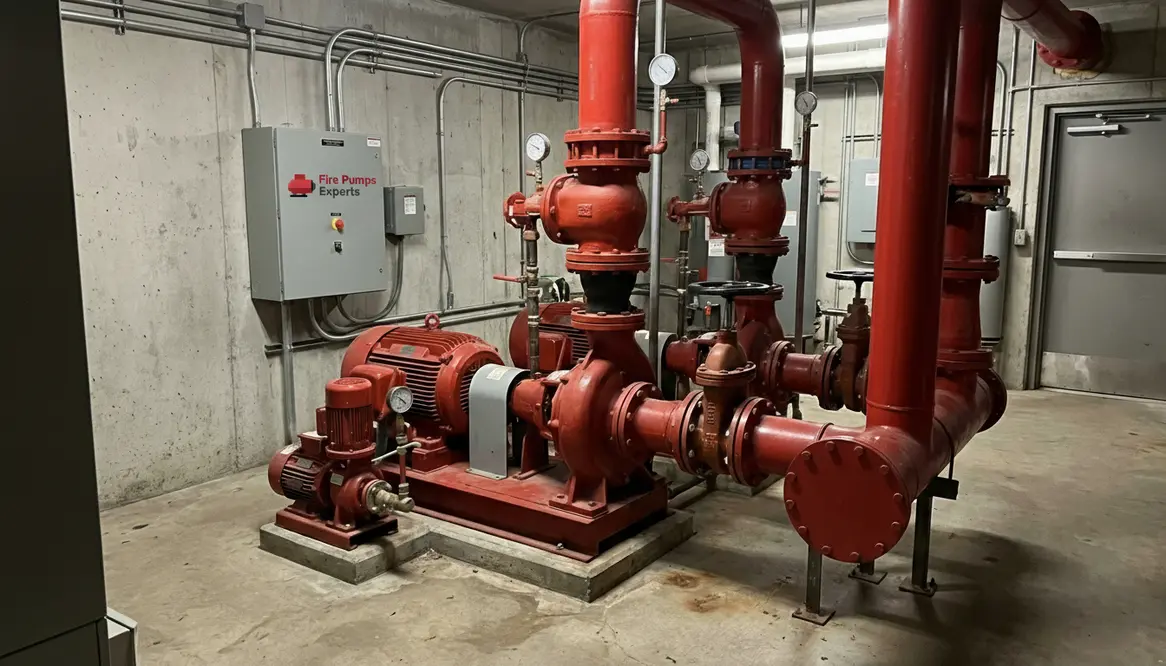
Mid Rise Apartment Fire Pump Systems Design Guide
I have spent enough time around building systems to know this truth: when a fire starts, nobody applauds the plumbing until it fails. That is exactly why mid rise apartment fire pump systems deserve more attention than they usually get. In medium height residential buildings, where evacuation takes time and water pressure is not always cooperative, a well planned fire pump setup quietly becomes the hero of the story. And yes, like a good character in a movie, you only notice it when it is missing.
So let me walk you through how I approach fire pump planning for these buildings, with a calm eye, a steady pace, and just enough humor to keep us awake.
In the background of every calm hallway and quiet stairwell, mid rise apartment fire pump systems are doing the unglamorous work. When they are thoughtfully designed, residents keep sleeping soundly, and building managers keep their phone blissfully quiet at 2 a.m.
The goal is simple: dependable pressure, predictable performance, and no surprises when alarms sound.
How I approach fire pump planning for medium height buildings
First, I start with the building itself. Height, layout, occupancy, and local fire codes all shape the design. A six story apartment behaves very differently from a fifteen story one. Therefore, I never assume a one size fits all approach.
Next, I look at water supply. City pressure can be unpredictable. On a good day, it might support the lower floors. However, as elevation increases, pressure drops. That is where a properly sized pump steps in and says, “I’ve got this.”
Then I consider system demand. Sprinklers, standpipes, and hose connections all compete for flow. Consequently, I calculate peak demand carefully to avoid underperformance. Oversizing is not the answer either, because energy waste and wear creep in over time.
Finally, I align everything with compliance. Codes are not suggestions. They are the difference between controlled risk and chaos. And trust me, chaos is a terrible building manager.
Understanding mid rise apartment fire pump systems in real world design
When I design mid rise apartment fire pump systems, I focus on reliability over flashiness. No one needs a “sports car” pump. They need something that starts every single time.
I choose between electric and diesel pumps based on power reliability. If the grid is stable, electric works well. However, if outages are common, diesel provides independence. It is like choosing between streaming your favorite show or keeping a DVD for when the internet decides to take a nap.
In addition, I plan for redundancy. A backup pump or jockey pump maintains pressure and reduces wear. This keeps the system ready without constant strain.
I also ensure controllers are accessible and protected, because a hidden control panel is about as useful as a locked fire extinguisher.
What factors affect fire pump sizing and performance?
I get this question a lot, and the answer is layered but clear.
Flow demand drives everything. Sprinkler density and standpipe requirements determine how much water must move at once. Then, pressure requirements come into play. Higher floors demand more pressure to deliver effective coverage.
Additionally, I factor in pipe friction loss. Water does not glide effortlessly through pipes. It resists, slows, and loses energy. Therefore, calculations must account for these losses to avoid underperformance.
Finally, I consider future expansion. Buildings evolve. Adding capacity early prevents expensive upgrades later. Think of it as buying a slightly bigger suitcase because you know you will bring back souvenirs.
Key components I never overlook in system planning
Primary pump
This is the heart of the system. It must match demand precisely.
Jockey pump
Maintains pressure and prevents unnecessary cycling.
Controller
Ensures automatic and reliable activation during emergencies.
Water storage or supply connection
Provides consistent and adequate flow.
Relief valves and gauges
Protect the system and allow monitoring.
Backup power or diesel drive
Keeps the system running when power fails.
Each component plays a role, and if one fails, the entire system feels it. It is a team effort, not a solo performance.
Common mistakes I see and how I avoid them
One mistake stands out: underestimating demand. Designers sometimes rely too heavily on municipal supply. However, when pressure drops during peak usage, the system struggles. I always plan for worst case scenarios.
Another issue is poor maintenance access. A pump tucked into a cramped corner may look neat on paper, but servicing it becomes a nightmare. Therefore, I prioritize accessibility from day one.
I also see neglect in testing provisions. Without proper test headers and flow measurement, verifying performance becomes guesswork. And guesswork has no place in fire protection.
Lastly, ignoring long term operation costs can backfire. Efficient systems save money over time, even if upfront costs are slightly higher.
Why proper planning protects both people and property
A well designed system does more than meet code. It buys time. It slows fire spread. It supports firefighters. And most importantly, it protects lives.
In medium height residential buildings, evacuation is not instant. Elevators are off limits, stairwells fill quickly, and panic spreads faster than fire. Therefore, dependable water delivery becomes critical.
Moreover, property owners benefit from reduced damage and liability. Insurance providers notice well engineered systems. So yes, a good plan for mid rise apartment fire pump systems quietly pays dividends long after installation.
FAQ
Conclusion
If you are planning or upgrading a system, do not leave performance to chance. I design solutions that align with real world demands, not just paperwork. At https://firepumps.org, we focus on commercial scale reliability that medium height residential properties depend on. Reach out, and let us build a system that shows up when it matters most, because in fire protection, quiet confidence beats last minute heroics every time. When mid rise apartment fire pump systems are thoughtfully engineered, they stay out of the spotlight for all the right reasons.