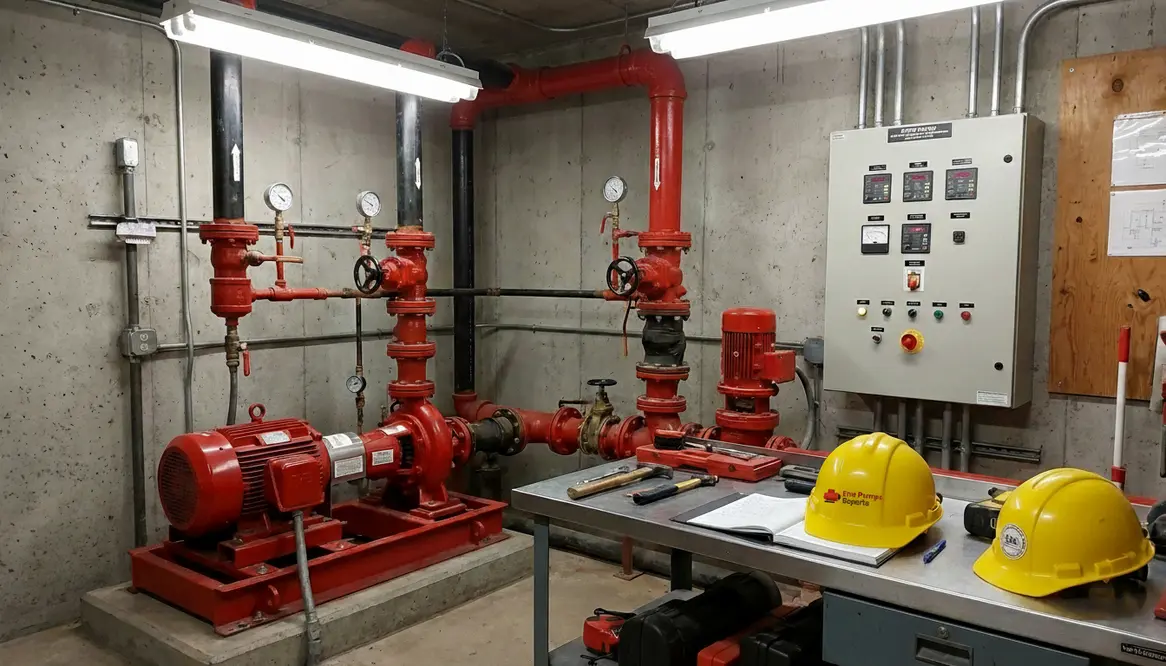
Multifamily Housing Fire Pump System Planning
I have spent years around building systems, and few things command respect quite like multifamily housing fire pump systems. They sit quietly, waiting for the one moment they must perform without hesitation. In residential projects tied to large commercial properties, planning these systems is not just technical work, it is a responsibility. And yes, it may not sound as thrilling as a superhero origin story, but when water moves at the right pressure at the right time, it saves the day just the same.
How do I plan fire pump capacity for residential buildings tied to large properties?
I start with demand. Always. Because guessing here is like bringing a water pistol to a five alarm fire. First, I calculate the required flow and pressure based on sprinkler design, standpipe needs, and building height. Then, I layer in safety margins. However, I do not overdesign to the point of inefficiency.
Next, I align the pump curve with real world system demand. Meanwhile, I ensure the power supply can support peak load conditions without flinching. Backup power is not optional in large scale developments. It is the difference between a system that works and one that becomes a very expensive decoration.
Finally, I coordinate with code requirements and insurance expectations. Because even the best design means nothing if it does not pass inspection.
Key Components That Shape Reliable System Performance
Every time I review a project, I focus on how each component supports the whole. A fire pump system is not a solo act. It is a band, and everyone needs to stay in rhythm.
Core elements I prioritize include:
- Pump type selection based on building height and demand profile
- Controller reliability with clear, simple operation
- Jockey pump integration to maintain system pressure
- Proper suction supply to prevent cavitation
- Discharge configuration that avoids pressure spikes
Additionally, I pay close attention to layout. A well placed pump room can reduce long term maintenance headaches. On the other hand, a cramped or poorly ventilated space can turn routine service into a scene from a disaster movie.
Designing Multifamily Housing Fire Pump Systems for Real World Conditions
I have learned that paper designs rarely survive first contact with reality. Therefore, I design for actual operating conditions, not ideal ones.
For instance, I consider fluctuating municipal water supply. Because city pressure can drop faster than your phone battery on a long day. I also evaluate temperature, accessibility, and long term wear. In large residential developments connected to commercial infrastructure, usage patterns vary more than expected.
Moreover, I plan for maintenance from day one. Clear access paths, logical valve placement, and readable gauges make a massive difference over time. After all, a system that is hard to maintain is a system that will eventually fail.
Balancing Efficiency and Compliance Without Losing Sleep
There is a sweet spot between overengineering and cutting corners. I aim for that middle ground where performance meets practicality.
Because codes evolve, I stay current with NFPA standards and local amendments. At the same time, I coordinate with engineers, contractors, and property stakeholders. Communication keeps surprises to a minimum.
Here is how I mentally break it down:
Design Focus
Accurate demand calculations
Code aligned equipment
Maintenance friendly layouts
Outcome
Reliable water delivery under stress
Smoother approvals and inspections
Lower lifecycle costs
It may not be glamorous, but getting this balance right feels like hitting the perfect note in a long song.
Common Planning Mistakes I Avoid at All Costs
I have seen enough projects to know where things go sideways. And trust me, they always start small.
First, undersized pumps. They look fine on paper until demand spikes. Then, poor coordination with electrical systems creates startup failures. Also, ignoring future expansion leads to costly retrofits.
Another classic mistake is neglecting testing provisions. If you cannot test the system properly, you cannot trust it. It is that simple.
And finally, I avoid overcomplicating designs. Because if it takes a PhD to operate, it will eventually be misused. Even the Millennium Falcon needed a pilot who understood the controls.
Future Ready Multifamily Housing Fire Pump Systems
Planning today means thinking ahead. I design systems that can adapt to new technologies and changing building demands.
For example, I consider smart monitoring integration. Real time data helps identify issues before they become failures. In addition, I leave room for upgrades. Because buildings evolve, and systems should too.
Furthermore, I keep sustainability in mind. Efficient pump selection and reduced energy consumption benefit both operations and budgets. And while fire protection is the priority, efficiency is the quiet partner that keeps everything running smoothly.
When I step back and look at multifamily housing fire pump systems across different projects, the ones that age well always share the same traits: thoughtful planning, realistic assumptions, and space to grow. Whether the development is modest or massive, these systems are guardians of the quiet kind, and they deserve that level of intent.
In complex mixed use properties, where residential towers share infrastructure with retail or office space, multifamily housing fire pump systems carry even more weight. Different occupancies mean different risk profiles, and the design has to absorb all of it without flinching. That is where coordination with the broader fire protection strategy becomes less of a checkbox and more of a backbone.
I also consider digital documentation and training as part of the future ready package. A well labeled room, a clear sequence of operations, and accessible records turn multifamily housing fire pump systems from mysterious black boxes into understandable, maintainable assets. The technology can be advanced, but the user experience should remain straightforward.
As more owners look for guidance, I often point them to specialized resources such as https://firepumps.org to deepen their understanding of how these systems work and why the details matter. When everyone around the table respects what multifamily housing fire pump systems are designed to do, better decisions tend to follow.
FAQ
Final Thoughts and Next Steps
When I plan fire pump systems for residential projects connected to major properties, I focus on reliability, clarity, and long term value. If you are working on a large scale development and want a system that performs when it matters most, now is the time to get it right. Connect with experts who understand both compliance and real world demands, and build a solution that stands ready, no matter what comes next.