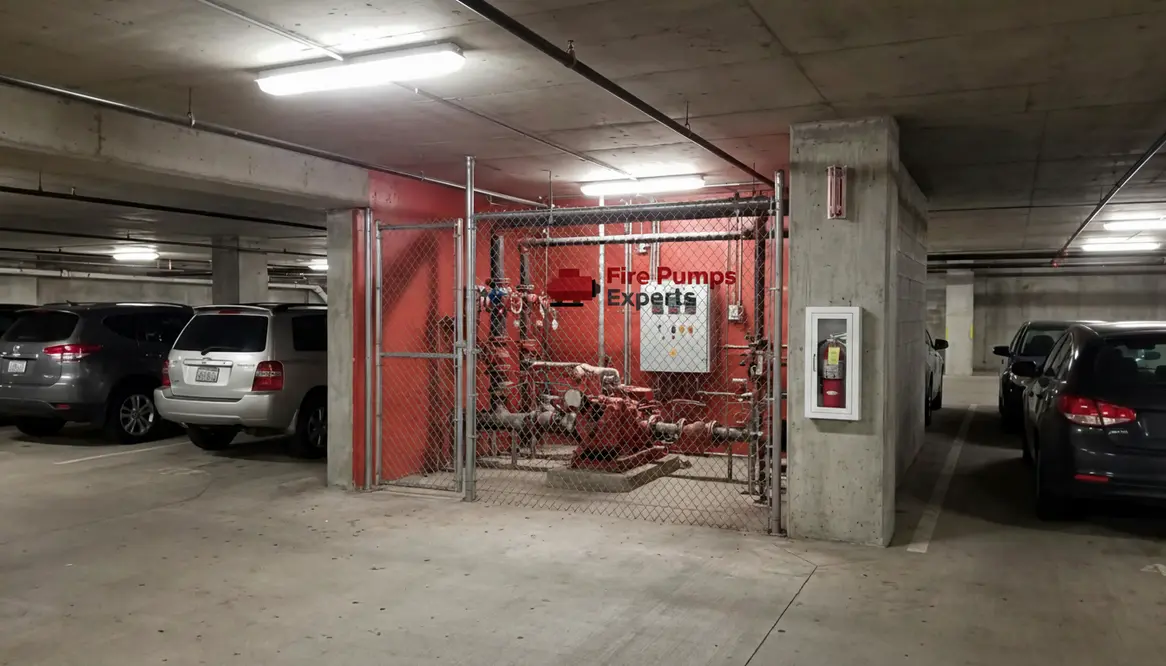
Parking Annex Fire Pump Systems for Fire Safety
Fire Safety for Auxiliary Parking Structures Starts with the Right Systems
I have seen plenty of parking structures that look calm on the surface, almost like they are waiting for the next superhero landing scene. But beneath that quiet concrete lies a real risk. Fire spreads differently in these spaces, and without the right protection, things can escalate fast. That is exactly where our parking annex fire pump systems step in. They do not just support fire protection, they anchor it. In large commercial and industrial properties, these systems ensure water moves with purpose and pressure when seconds matter. And trust me, in a fire, seconds behave like they are in a Fast and Furious movie.
Why Auxiliary Parking Structures Need Specialized Fire Protection
Parking annexes are not just overflow space. They are extensions of major facilities, often packed with vehicles, fuel sources, and limited ventilation. Because of this, fires here behave unpredictably. Heat builds quickly, smoke lingers, and access points can challenge even experienced response teams.
Therefore, I always recommend designing fire safety with intention. Standard sprinkler systems alone are not enough. Instead, integrating high performance pump systems ensures consistent water flow across multiple levels. Moreover, these structures often sit apart from the main building, which means pressure loss becomes a real concern. A dedicated system corrects that weakness before it becomes a liability.
How Parking Annex Fire Pump Systems Strengthen Emergency Response
Let me put it simply. Water without pressure is just a suggestion. And in a fire, suggestions do not save buildings.
That is where parking annex fire pump systems prove their value. They maintain steady pressure even when multiple sprinklers activate at once. Additionally, they compensate for long pipe runs and elevation changes that would otherwise reduce effectiveness.
Because of this, emergency teams can rely on predictable performance. They are not guessing whether water will reach the top level. It will. And it will arrive with force. That kind of reliability turns chaos into control.
What Design Features Actually Make a Difference
I have learned that smart design beats flashy design every time. In auxiliary parking structures, several features quietly carry the load.
- Zoned sprinkler coverage allows targeted response instead of flooding the entire structure
- Durable piping systems resist corrosion from vehicle emissions and moisture
- Backup power integration ensures pumps run even during outages
- Clear access routes help fire crews move without delay
Furthermore, placing pump systems strategically reduces strain and improves efficiency. It is not about adding more equipment. It is about placing the right equipment in the right place. Modern parking annex fire pump systems are built around that idea: focused capacity where it actually matters.
How Do I Reduce Fire Risk in a Parking Annex?
Practical steps that actually move the needle
I get this question a lot, and the answer is refreshingly practical. First, control what you can. Limit storage of flammable materials and enforce clear parking policies. Second, maintain your systems. Even the best equipment fails if ignored. Third, invest in monitoring. Early detection changes outcomes.
However, the real shift happens when you stop thinking of fire safety as a checklist and start treating it like an ecosystem. Each component supports the next. Detection triggers suppression. Suppression relies on pressure. And pressure comes from a well designed pump system.
Balancing Safety and Operational Efficiency
Safety priorities
- Consistent water pressure across all levels
- Fast system activation
- Reliable backup power
- Compliance with fire codes
Operational benefits
- Reduced downtime after incidents
- Lower long term repair costs
- Improved insurance positioning
- Confidence for tenants and stakeholders
When these two sides align, something interesting happens. Safety stops feeling like an expense and starts acting like an investment. And in large scale facilities, that shift makes all the difference.
Maintenance Is Where Most Systems Quietly Fail
Why neglect is the real hazard
I will be honest. Most fire systems do not fail during installation. They fail years later, quietly, because no one checked on them. Pumps lose efficiency. Valves stick. Sensors drift.
That is why routine testing matters. Not occasionally. Consistently. In addition, documenting performance trends helps catch issues early. A slight drop in pressure today could signal a major failure tomorrow.
And let us not pretend maintenance is glamorous. It is not. It is the behind the scenes crew of your fire safety story. But like any good movie, the behind the scenes work is what makes the big moments succeed. Well maintained parking annex fire pump systems keep that whole story from becoming a disaster film.
FAQ: Fire Safety for Auxiliary Parking Structures
Conclusion: Build Protection That Performs When It Counts
Fire safety in auxiliary parking structures is not something I leave to chance. It demands planning, precision, and systems that deliver under pressure. The right setup protects more than property. It protects operations, reputations, and lives.
If you are managing a commercial or industrial facility, now is the time to strengthen your approach. Explore how advanced pump solutions can elevate your fire protection strategy and keep your structure ready for whatever comes next. For deeper technical guidance and code aligned resources on parking annex fire pump systems, you can start with references from https://firepumps.org and then tailor those principles to your specific site conditions.