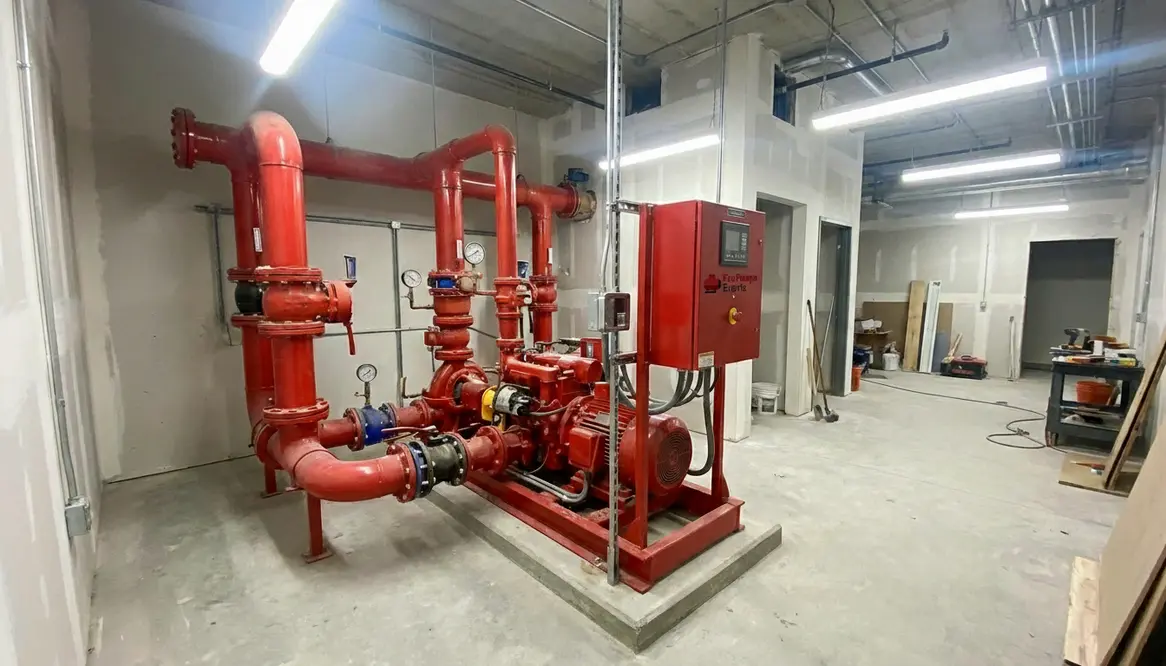
Sales Center Fire Pump Systems That Build Trust
I have walked through more project marketing buildings than I can count, and one truth always settles in like a steady drumbeat. Safety sells. Long before the first tenant signs a lease, the backbone of that safety often rests on well designed sales center fire pump systems. These systems do more than move water. They quietly promise reliability, protection, and compliance. And let’s be honest, in a world where first impressions matter, nothing says “we thought this through” quite like a fire protection setup that does not blink under pressure.
Why Fire Pump Planning Shapes First Impressions
When I step into a marketing building, I am not just looking at polished floors and glass walls. I am thinking about what happens behind the scenes. A fire pump system plays a critical role in that story. It ensures water pressure stays consistent, even when municipal supply decides to take a coffee break.
Moreover, these systems signal professionalism. Developers who invest early in fire protection infrastructure show foresight. That matters to investors and tenants alike. After all, nobody wants to hear “we will install that later” when safety is on the line.
And yes, while fire pumps are not exactly the Avengers of building systems, they do assemble quickly when danger calls. Quiet heroes, no capes required.
How do I choose the right fire pump system for a marketing building?
I approach this question with a mix of logic and experience. First, I consider the building size and layout. Larger spaces demand higher capacity pumps. Then, I look at local fire codes, because ignoring those is like ignoring gravity. It will catch up with you.
Next, I evaluate water supply reliability. If city pressure is inconsistent, a stronger pump becomes essential. In addition, I factor in future scalability. Marketing buildings often evolve into full scale commercial properties, so the system should grow with them.
Finally, I always recommend aligning with experts who specialize in commercial fire protection. This is not the place for guesswork or “good enough.” Precision wins every time.
Core Components That Make Fire Pumps Work
Every system I design or review comes down to a few essential parts working in harmony. When they do, the result is seamless. When they do not, well, that is a conversation nobody wants to have during an emergency.
Key Mechanical Elements
- Pump unit that drives water flow
- Driver, either electric or diesel
- Controller for automatic activation
- Relief valves to manage pressure
Support Systems
- Water storage or supply connection
- Jockey pump for pressure stability
- Monitoring systems for performance tracking
- Backup power for reliability
Each component plays its part. Together, they form a system that responds faster than most people can react. It is a bit like a well rehearsed band. Everyone knows their cue, and the performance feels effortless.
Compliance and Codes Without the Headache
I have seen projects stall because someone underestimated compliance. Fire pump systems must meet strict standards, especially in commercial and industrial environments. Codes are not suggestions. They are requirements that protect lives and investments.
Therefore, I always stay aligned with national and local regulations. This includes proper installation, testing, and documentation. In addition, regular inspections ensure the system remains ready long after the ribbon cutting ceremony.
Think of compliance as the fine print that actually matters. Ignore it, and the consequences are anything but fine.
Integrating Sales Center Fire Pump Systems into Project Marketing Strategy
Now here is where things get interesting. Fire protection is not just a technical feature. It is a selling point. When I present a building to stakeholders, I highlight the reliability of its fire safety infrastructure.
Buyers and tenants want assurance. They want to know the building can handle emergencies without hesitation. By integrating sales center fire pump systems into the narrative, I turn a behind the scenes feature into a front and center advantage.
And yes, it might not be as flashy as a rooftop lounge, but when it comes to peace of mind, it wins every time. Even James Bond would appreciate a system that never fails under pressure.
Maintenance That Keeps Everything Running Smoothly
A fire pump system is not a “set it and forget it” investment. I treat maintenance as part of the system’s lifecycle, not an afterthought. Regular testing ensures pumps start instantly and deliver the required pressure.
Additionally, I recommend scheduled inspections and performance checks. These steps catch small issues before they become expensive problems. After all, a system that fails silently is far more dangerous than one that announces its needs early.
Consistency is key. When maintenance becomes routine, reliability follows naturally.
FAQ: Quick Answers You Can Use
The questions below come up frequently whenever I discuss sales center fire pump systems with developers, property teams, and marketing consultants. They are simple, practical, and aimed at helping you make confident decisions that support both safety and storytelling in your projects.
Conclusion: Build Safety Into the Story
When I look at a project marketing building, I see more than design and ambition. I see responsibility. A well planned fire pump system protects people, supports compliance, and strengthens your value proposition. If you are serious about building trust and long term success, now is the time to act. Invest in the right solution, partner with experts, and make safety part of your brand from day one. When sales center fire pump systems are thoughtfully integrated, they stop being just mechanical equipment and become part of the story that wins confidence, renewals, and long-range loyalty.