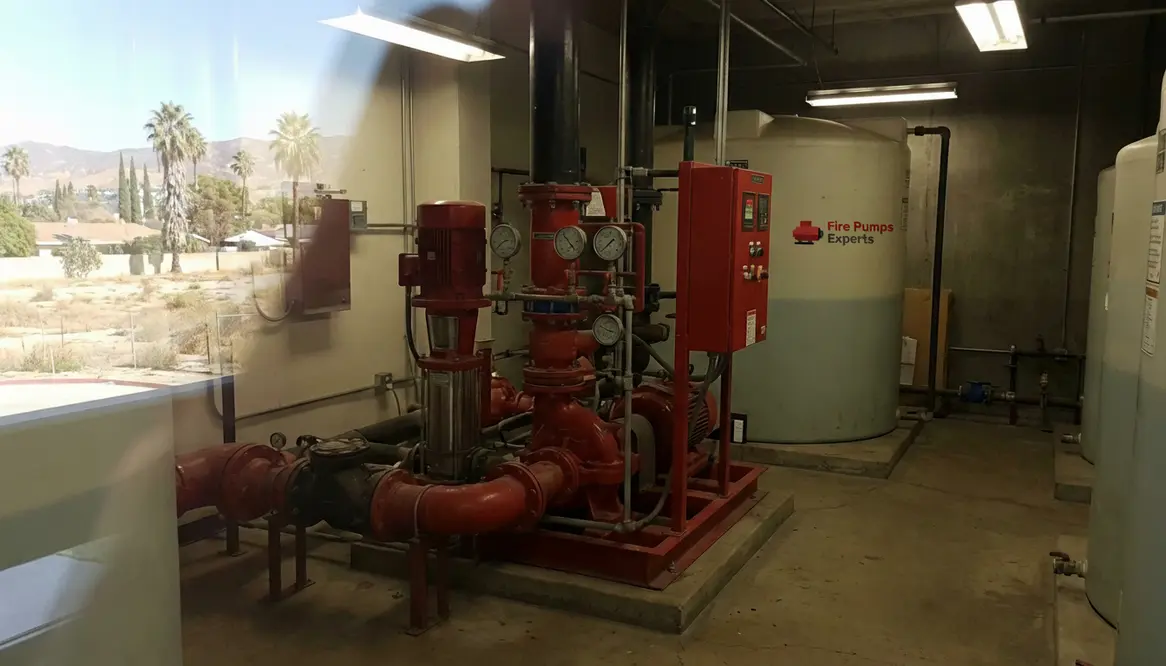
San Fernando Valley Hospital Fire Water Requirements
How water pressure, fire pumps, and hospital design come together to quietly protect patients across the Valley.
Introduction
I have spent a fair amount of time walking mechanical rooms, pump houses, and long service corridors in large facilities. Hospitals in the San Fernando Valley are a different breed. They never sleep. Machines hum through the night. People arrive in crisis and leave with hope. And behind the scenes, quietly waiting like a calm bodyguard in a tuxedo, sits the fire protection system.
Early in every project conversation, the topic of san fernando valley hospital fire suppression water requirements rises to the top. It has to. Hospitals are complex commercial properties with strict life safety codes, high patient loads, and specialized equipment that cannot simply be turned off when trouble arrives. Therefore the water pressure that feeds sprinklers, standpipes, and fire pumps must be carefully designed, tested, and maintained.
Today I want to walk you through how that pressure requirement works, why it matters, and how large healthcare facilities across the Valley keep their systems ready. Think of it like the quiet plumbing hero of life safety. Not flashy. Not glamorous. But when things get serious, it shows up like Batman in a well fitted cape.
Why pressure and flow are non‑negotiable
Hospitals must maintain enough water pressure and flow to meet fire sprinkler system demand, standpipe demand, and hose stream allowance at the same time. In most cases this means the system must deliver hundreds to thousands of gallons per minute at specific pressures depending on the building height, floor area, and hazard classification.
However the San Fernando Valley introduces a few practical realities. First, municipal water pressure varies from district to district. Some areas provide solid pressure while others struggle during peak demand hours. Second, hospitals are often multi story buildings with surgical wings, imaging suites, and mechanical floors that push the hydraulic demand higher.
Because of this, most large hospitals rely on dedicated fire pumps to boost pressure. The san fernando valley hospital fire suppression water requirements quickly lead the discussion toward pump size, redundancy, and testing.
What water pressure do hospitals in the San Fernando Valley actually need?
When someone asks me that question, I usually smile because the honest answer is both simple and layered.
Hospitals must maintain enough water pressure and flow to meet fire sprinkler system demand, standpipe demand, and hose stream allowance at the same time. In most cases this means the system must deliver hundreds to thousands of gallons per minute at specific pressures depending on the building height, floor area, and hazard classification.
However the San Fernando Valley introduces a few practical realities.
- Municipal water pressure varies widely from district to district.
- Peak demand hours can drag pressure down right when a facility needs it most.
- Multi story hospital layouts add vertical pressure loss that must be overcome.
Because of this, most large hospitals rely on dedicated fire pumps to boost pressure.
How design teams define the target pressure
The design team typically evaluates:
- Required sprinkler density for healthcare occupancies
- Standpipe pressure requirements for fire department operations
- Available city water pressure during worst case scenarios
- Building height and vertical pressure loss
- Simultaneous system demand
Then the fire pump fills the gap between city supply and required pressure. Think of it as the gym trainer of the system. The city water brings the raw muscle. The pump adds the strength needed to lift the heavy weights.
San Fernando Valley Hospital Fire Suppression Water Requirements and Why Fire Pumps Become Essential
Now here is where things get interesting.
Healthcare facilities are not ordinary commercial buildings. Equipment rooms contain expensive machines. Patient floors include people who cannot evacuate quickly. Meanwhile operating rooms require clean environments that cannot simply shut down because a sprinkler pipe lost pressure.
For that reason the san fernando valley hospital fire suppression water requirements often demand a robust fire pump system that can deliver reliable pressure every single time.
Typical fire pump capacities in large hospitals
In practice, many hospitals install electric or diesel fire pumps sized between 750 and 2000 gallons per minute. The exact number depends on the hydraulic calculations of the building.
Additionally redundancy matters. Engineers frequently include backup pumps, reliable controllers, and emergency power connections. If the city water drops during a regional emergency, the fire protection system still needs to perform.
I like to describe it this way.
A hospital fire pump is less like a gadget and more like a quiet insurance policy. It waits patiently year after year. Then if the alarm ever sounds, it launches into action with the enthusiasm of a Marvel superhero who just heard the word “assemble.”
If your facility wants outside eyes on pump selection or performance, Kord Fire’s fire pump systems team spends its days matching equipment to real world building demands.
How San Fernando Valley hospitals design reliable fire water supply systems
Designing fire protection water systems in major medical campuses requires careful coordination between engineers, facility managers, and fire protection specialists.
Step 1: Understand the incoming water supply
First, we evaluate the incoming municipal water supply. This includes hydrant flow testing across the property. The data shows available pressure and flow during peak conditions.
Step 2: Run the hydraulic modeling
Next comes hydraulic modeling. Sprinkler systems must meet density and area requirements based on occupancy classification. Standpipes must also provide enough pressure for firefighters operating on upper floors.
Step 3: Plan for growth, not just today’s demand
However design does not stop at math on paper.
Hospitals often expand over time. New patient towers appear. Imaging wings grow larger. Data centers arrive. Each addition can increase water demand. Therefore designers plan pump capacity and piping infrastructure that can adapt to future loads.
Step 4: Build in resilience and redundancy
Another critical factor involves reliability.
Hospitals cannot tolerate extended downtime for life safety systems. Consequently many facilities install:
- Dual fire pumps
- Backup power through emergency generators
- Large onsite water storage tanks
- Looped underground fire mains
Each layer improves resilience. And resilience, in a hospital environment, is the difference between inconvenience and crisis.
Common pressure challenges inside large healthcare campuses
Vertical pressure loss
Even well designed systems face real world challenges over time.
One issue involves vertical pressure loss. As buildings grow taller, gravity becomes the quiet villain of the story. Every floor adds friction and elevation loss. Eventually the system demands higher pump pressure to reach upper levels.
Aging infrastructure
Another challenge comes from aging infrastructure. Many hospitals in the San Fernando Valley were built decades ago. Over time pipes scale internally, valves wear out, and equipment drifts from original performance.
Fluctuating municipal supply
Then there is water supply fluctuation. Municipal demand changes throughout the day. During summer heat waves when everyone waters lawns and fills swimming pools, pressure can dip.
Now imagine trying to maintain stable fire suppression pressure while half the neighborhood is reenacting a scene from a backyard water park commercial. It happens.
That is why ongoing inspection, testing, and pump performance verification remain essential for commercial facilities. When the san fernando valley hospital fire suppression water requirements were first calculated, they assumed systems operating at their intended performance, not years of slow wear and surprise pressure loss.
Supply vs. demand: why the fire pump is the bridge
To illustrate the difference between supply and system demand, I often show facility teams a simple comparison.
City Water Supply Factors
- Hydrant pressure
- Seasonal demand
- Municipal infrastructure
- Distribution network limits
Hospital System Demand Factors
- Sprinkler density
- Standpipe flow
- Building height
- Future expansion loads
When demand exceeds supply, the fire pump becomes the bridge that keeps the system compliant and ready. Getting that bridge right is the heart of meeting san fernando valley hospital fire suppression water requirements without oversizing equipment or under-protecting people.
San Fernando Valley Hospital Fire Suppression Water Requirements and Ongoing Compliance
Designing the system is only the first chapter. Keeping it compliant is the long running series.
Hospitals must follow national fire protection standards along with local fire department regulations. Regular testing ensures that the system still meets the original san fernando valley hospital fire suppression water requirements years after installation.
What routine service usually includes
- Annual fire pump flow testing
- Weekly or monthly pump churn tests
- Controller inspections
- Valve supervision checks
- Pressure verification throughout the system
These tests confirm that pumps start correctly, maintain pressure curves, and deliver full flow when needed.
In large commercial healthcare campuses, these inspections are not optional paperwork exercises. They are life safety practices that protect patients, staff, and millions of dollars in medical infrastructure.
And honestly, when the day comes that the system must perform, nobody in that building wants to discover a problem that could have been fixed months earlier.
FAQ
Below are a few of the questions that come up when facility teams start wrestling with San Fernando Valley hospital fire water and pressure planning.
Conclusion
When I look at a hospital fire protection system, I see more than pipes and pumps. I see a quiet promise that safety stands ready every hour of the day. If your facility needs expert guidance on meeting san fernando valley hospital fire suppression water requirements, the team at firepumps.org specializes in protecting large commercial and institutional properties. Reach out today and let us help your system deliver the pressure, reliability, and confidence your building deserves.