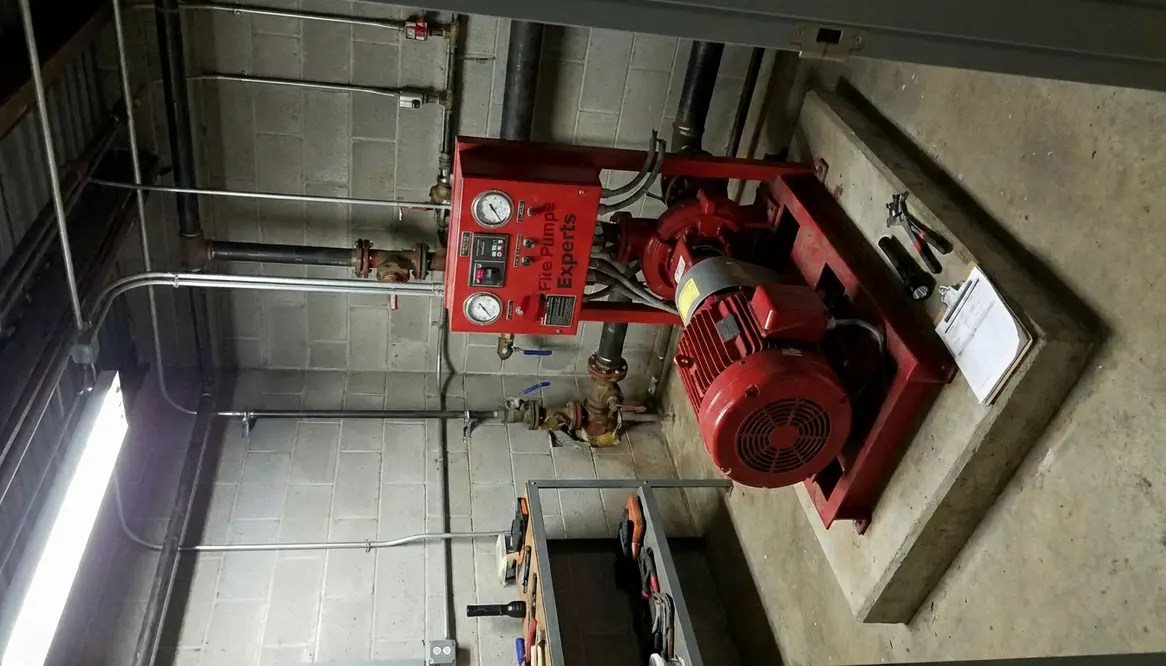
Small Commercial Building Fire Pumps Guide
I have spent enough time around mechanical rooms to know one thing for sure. When it comes to small commercial building fire pumps, people either overthink them or ignore them until an inspector shows up with that look. You know the one. The kind that says, “This is going to be expensive.” So let me slow things down and walk you through what actually matters. Because when fire protection works, nobody notices. And when it does not, well… suddenly everyone becomes very interested.
What are the core requirements for small commercial building fire pumps?
Let me answer this the way most people wish code books did. Simply.
First, a fire pump exists to boost water pressure when the municipal supply cannot meet demand. Therefore, the requirement is not about preference. It is about necessity. If your system cannot deliver adequate flow and pressure, you need a pump. No debate.
Additionally, codes like NFPA 20 and local amendments set the baseline. I always check these first because they define sizing, installation, and performance standards. However, the real magic happens in the details. For example, your pump must match the hazard level of the building. Light hazard offices do not need the same muscle as a warehouse stacked like a game of Tetris gone wrong.
Moreover, reliability is non negotiable. That means a dependable power source, proper controller, and a layout that allows maintenance without acrobatics. Because trust me, nobody wants to climb over pipes like they are auditioning for an action movie just to check a valve.
How do I choose the right fire pump size without guessing?
I never guess. I calculate, and then I double check.
Start with your system demand. This includes sprinkler flow, hose allowances, and required pressure at the most remote point. Then compare that with your incoming water supply. The gap between those two numbers tells you exactly what the pump needs to deliver.
However, sizing is not just about hitting a number. It is about stability. An oversized pump can cause pressure swings, while an undersized one leaves you exposed. Neither is a great look.
Also, I always consider future expansion. Because if your building grows and your pump cannot keep up, you will be revisiting this conversation sooner than you would like. And nobody enjoys buying the same thing twice.
Key components that make or break performance
Let us break this down into the essentials I always watch closely.
Core Equipment
- Pump unit sized to demand
- Controller with automatic start
- Reliable power source or backup
- Pressure sensing lines
Support Systems
- Proper suction piping layout
- Test header for flow verification
- Relief valves for pressure control
- Monitoring and alarms
Now here is where things get interesting. Even the best pump will fail if the suction side is poorly designed. I have seen beautifully engineered systems brought down by something as simple as bad piping geometry. It is like putting a race car engine in a shopping cart. Technically impressive, but not very useful.
Installation realities for small commercial building fire pumps
Installation is where theory meets gravity. And gravity always wins.
First, location matters. I place pumps in accessible, protected areas with proper drainage and ventilation. Because water and electricity already have a complicated relationship. No need to make it worse.
Next, alignment and anchoring are critical. A poorly installed pump will vibrate, wear out faster, and sound like it is auditioning for a heavy metal band. Therefore, I ensure solid foundations and precise alignment from day one.
Additionally, I plan for maintenance access. Every valve, controller, and gauge should be reachable without frustration. Because if servicing becomes difficult, it will get delayed. And delayed maintenance is how small issues turn into big invoices.
Inspection, testing, and long term reliability
This is where discipline pays off.
I follow a routine testing schedule that includes weekly churn tests and annual flow tests. These are not just checkboxes. They confirm the system performs under real conditions.
Furthermore, I monitor trends. If pressure readings shift or startup times change, I investigate early. Because systems rarely fail without warning. They whisper first. Then they shout.
And yes, documentation matters. Inspectors love records almost as much as coffee. Keeping clean logs saves time, avoids penalties, and proves your system is ready when it counts.
Common mistakes I see and how to avoid them
I have seen enough projects to spot patterns. Here are a few I always steer clear of.
- Ignoring water supply data and assuming the city has you covered
- Overcomplicating the system with unnecessary components
- Skipping regular testing because everything “looks fine”
- Choosing cost over reliability in critical equipment
However, the biggest mistake is treating fire protection as an afterthought. It should be part of the initial design conversation, not something squeezed in at the end like a last minute dinner reservation.
FAQ about fire pump systems
Before committing to specific small commercial building fire pumps, it helps to sort out a few recurring questions that always show up during design reviews and inspections.
Final thoughts and next steps
If you are responsible for protecting a commercial property, now is the time to take a closer look at your system. I encourage you to evaluate your current setup, confirm compliance, and invest in proper design and maintenance. The right approach to fire protection does more than meet code. It protects people, property, and peace of mind. Connect with experienced professionals at https://firepumps.org and make sure your system performs exactly when it needs to. When small commercial building fire pumps are selected, installed, and maintained with care, they quietly sit in the background, ready for the one day everyone is counting on them.