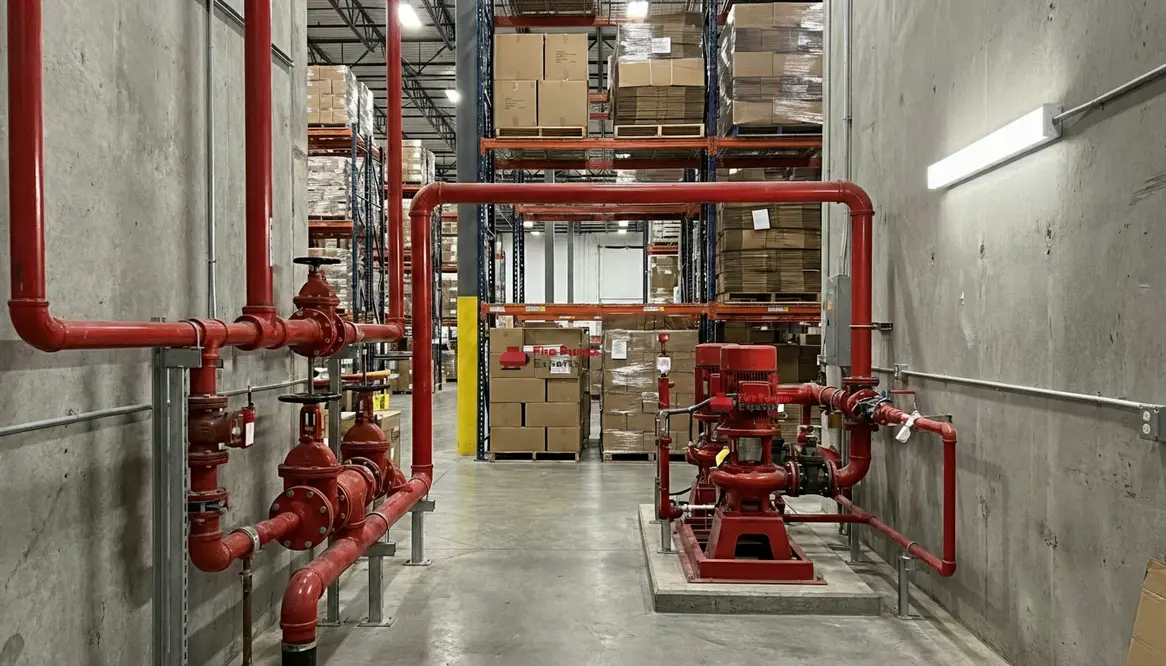
Vernon Packaging Plant Fire Suppression Water Systems
I have spent many years walking through large industrial sites where the quiet hum of machinery hides a simple truth. Everything works beautifully until water is needed in a hurry. In packaging plants, that moment matters. A spark, overheated motor, or small electrical fault can quickly turn a busy production line into a very expensive bonfire. That is where vernon packaging plant fire suppression water infrastructure steps into the story. Inside large facilities across Vernon, the systems that deliver fire protection water are not just pipes and pumps. They are carefully designed lifelines that protect people, products, and production schedules. And if you think water infrastructure sounds boring, stick with me. Even water systems can have a little personality. After all, a fire pump is basically the bodyguard of your building. Quiet most of the time, but when trouble starts, it kicks the door in.
Why Fire Protection Water Systems Matter in Vernon Packaging Facilities
Packaging plants are busy environments. Conveyor belts move nonstop, industrial heaters run hot, and electrical equipment operates for long shifts. Because of this, the risk of fire never fully disappears. Therefore, reliable fire protection water systems become a critical part of the building’s safety plan.
In large commercial facilities, fire suppression does not rely on a garden hose and a wish. Instead, it depends on pressurized water systems designed to deliver large volumes quickly and consistently. These systems feed sprinklers, standpipes, hydrants, and other suppression equipment throughout the building.
However, the challenge in Vernon is scale. Many packaging facilities operate in massive warehouses with tall storage racks and dense inventory. When water supply falls short, suppression systems struggle to contain fires early. Consequently, properly engineered water infrastructure becomes the backbone of effective protection.
Additionally, insurance providers and fire authorities pay very close attention to these systems. A well designed system reduces risk ratings, protects valuable inventory, and ensures compliance with modern fire codes.
Think of it this way. If your facility is the star of an action movie, the fire suppression water system is the stunt team working behind the scenes. Nobody applauds them until something goes wrong.
The Role Of Vernon Packaging Plant Fire Suppression Water Infrastructure
Inside any large packaging facility, the vernon packaging plant fire suppression water infrastructure is more than a code requirement. It is the system that allows sprinklers, hydrants, and standpipes to do their work when seconds matter.
When properly designed, it brings together municipal water supply, storage tanks, fire pumps, controls, and valves into a coordinated response. When poorly designed, it becomes the reason a small incident turns into a facility-wide shutdown.
For packaging operations that rely on tight schedules and just-in-time deliveries, treating water infrastructure like a strategic asset instead of an invisible utility is what keeps production stories from turning into investigation reports.
How the Vernon Packaging Plant Fire Suppression Water Infrastructure Actually Works
At first glance, the system seems simple. Water flows through pipes and feeds sprinklers. Yet behind that simplicity lies a sophisticated network designed for speed, reliability, and redundancy.
First, water supply enters the facility from municipal sources or dedicated storage tanks. From there, the system channels water into fire pumps that boost pressure to levels required for industrial scale protection.
Next, the pressurized water moves through a network of large diameter pipes known as fire mains. These mains distribute water throughout the building and connect to sprinkler systems, hose connections, and fire department access points.
Furthermore, sensors and valves constantly monitor pressure and flow. When a sprinkler activates, the system detects the change instantly. Fire pumps then increase pressure to maintain the flow needed to suppress flames.
Below is a simplified breakdown of the core components commonly found in large packaging facilities.
Key Infrastructure Components
- Industrial fire pumps designed for high capacity water delivery
- Underground and interior fire mains
- Large scale sprinkler systems
- Standpipe connections for fire department access
- Water storage tanks when municipal supply is limited
Performance Objectives
- Maintain stable pressure across large buildings
- Deliver water instantly when suppression activates
- Support multiple sprinklers operating simultaneously
- Provide backup capacity during peak demand
- Meet strict fire code and insurance standards
In other words, the entire network acts like a carefully choreographed dance. The moment heat triggers a sprinkler, pumps engage, valves open, and water moves exactly where it should. Smooth, fast, and without drama.
Design Challenges Unique to Large Packaging Facilities
Designing water infrastructure for packaging plants is not the same as protecting an office building. Warehouses used for packaging operations present several unique obstacles.
First, storage height creates complexity. Tall pallet racks increase fire intensity because flames can climb quickly. As a result, suppression systems must deliver water deep into storage areas and across wide spaces.
Second, packaging materials themselves often fuel fires. Cardboard, plastics, films, and adhesives burn aggressively. Therefore, sprinkler systems require higher flow densities to control potential fire growth.
Another factor involves building footprint. Many packaging facilities stretch across hundreds of thousands of square feet. Water pressure drops naturally across long pipe networks, which means engineers must carefully balance pump capacity and pipe sizing.
Moreover, production uptime matters. Shutting down operations for repairs or upgrades costs real money. Consequently, fire protection water systems must allow maintenance while keeping protection active.
Finally, local infrastructure plays a role. Municipal water supply in some Vernon industrial zones may not provide enough pressure for large facilities. In those cases, engineers integrate fire pumps and storage tanks to guarantee reliable flow.
It is a bit like planning traffic for a major city. If one road gets crowded, the entire network feels the strain.
Modern Fire Pump Strategies That Keep Industrial Systems Ready
Fire pumps form the beating heart of industrial fire suppression. When a sprinkler system demands water, the pump responds instantly.
Modern packaging facilities typically rely on high capacity electric or diesel driven fire pumps. These pumps operate under strict performance requirements and must deliver precise flow rates during emergencies.
However, reliability does not happen by accident. Regular testing and monitoring ensure that pumps will perform when needed.
For example, weekly churn tests confirm that pumps start automatically and maintain pressure. Meanwhile, annual flow testing verifies that the system can deliver the required water volume.
Furthermore, advanced monitoring systems now allow facility managers to track pump performance remotely. Pressure drops, mechanical faults, or unusual activity trigger alerts long before problems become critical.
In many Vernon industrial properties, these improvements transform fire protection systems from passive infrastructure into actively monitored safety systems.
From Basic Compliance To Strategic Readiness
The most effective vernon packaging plant fire suppression water infrastructure does more than pass an inspection. It is tuned to the building’s specific hazards, storage heights, and operational patterns.
That means correctly sized pumps, realistic hydraulic calculations, and maintenance schedules that keep capacity aligned with actual fire risk. It also means using trusted specialists who understand standards such as NFPA 20 and how they apply to real-world pump installations, like those discussed in Kord Fire Protection’s overview at NFPA 20 fire pump system requirements.
When every part of the system is working together, a fire event becomes a controlled incident instead of a headline.
It is the difference between owning a smoke alarm and owning a smart security system. One simply beeps. The other keeps watch.
What Should Vernon Facilities Ask About Their Fire Protection Water Supply?
I hear this question often when walking through large industrial sites. Plant managers know they need fire protection. Yet many are unsure whether their current system meets modern demands.
Here are the most important questions worth asking.
- Is the municipal water supply strong enough? Some areas require additional storage or pump upgrades.
- Can the system support high rack storage? Tall storage demands higher water density.
- Are fire pumps regularly tested? Equipment that sits idle must still prove it works.
- Is the system expandable? Growing facilities need infrastructure that grows with them.
- Does the design meet current fire codes and insurance requirements? Regulations evolve constantly.
These questions help facility owners understand whether their infrastructure protects their operations or simply checks a box.
FAQ About Fire Protection Water Infrastructure in Packaging Facilities
What is fire suppression water infrastructure in a packaging plant?
It is the network of pumps, pipes, valves, and water supplies that deliver pressurized water to sprinklers and fire protection systems in large industrial buildings.
Why do packaging plants need specialized fire water systems?
Packaging materials like cardboard and plastics burn quickly. Facilities require higher water flow and pressure to control fires effectively.
How often should fire pumps be tested?
Industry standards typically require weekly operational checks and annual full performance flow testing.
Can municipal water supply support large warehouses?
Sometimes yes, but many facilities require additional pumps or storage tanks to reach required fire flow levels.
What happens if water pressure drops during a fire?
Fire pumps automatically activate to maintain the pressure and flow needed for sprinkler systems to operate properly.
Strengthening the Vernon Packaging Plant Fire Suppression Water Infrastructure
Industrial facilities run on efficiency. Every conveyor belt, robotic arm, and loading dock exists for one reason. To keep products moving. Yet behind the scenes, safety systems protect the entire operation.
The vernon packaging plant fire suppression water infrastructure is one of those quiet guardians. When properly designed and maintained, it provides the pressure, volume, and reliability needed to stop a fire before it threatens the entire facility.
If your Vernon packaging operation depends on uninterrupted production, it may be time to evaluate the strength of your fire protection water systems. Connect with specialists who understand large commercial and industrial fire pump infrastructure. Because when fire protection works correctly, the only thing you notice is that nothing bad happens at all.