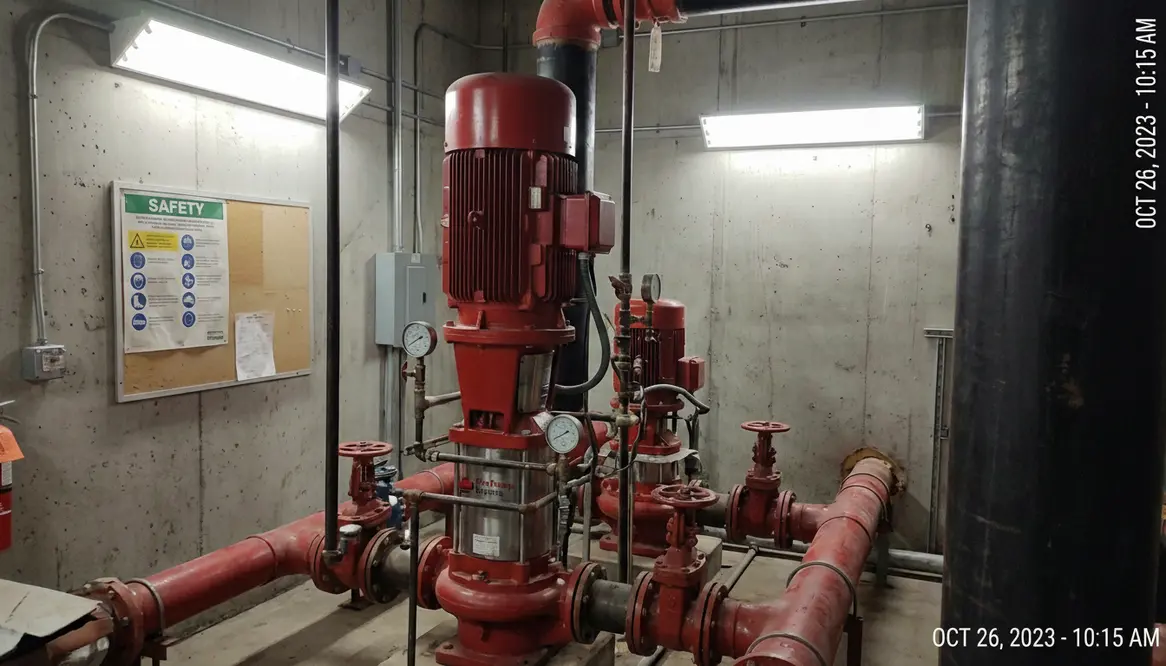
Vertical Development Fire Pumps for Care Facilities
I have spent enough time around commercial buildings to know one simple truth. Fire does not wait, and neither should your protection systems. In long term care facilities, where residents depend on others for mobility and care, the stakes rise even higher. That is where vertical development fire pumps step in, quietly doing the heavy lifting behind the scenes. They are not flashy. They are not glamorous. But when pressure drops and alarms sound, they become the unsung heroes. And yes, much like a good movie soundtrack, you only notice them when they are missing.
Why Fire Pump Systems Matter in Long Term Care Facilities
First, I look at the reality of these facilities. Residents often cannot evacuate quickly. Staff must assist, and time becomes the most valuable currency in the room. Therefore, a reliable fire pump system is not optional. It is essential.
Moreover, fire pumps ensure that sprinkler systems maintain adequate pressure across large buildings. Without them, water might trickle instead of surge. And in a fire, a trickle is about as useful as bringing a spoon to a flood.
Additionally, codes and regulations demand consistency. Local fire codes, NFPA standards, and insurance requirements all align on one thing. If your building exceeds certain size or height thresholds, you need a properly designed pump system. So, skipping this step is not bold. It is risky.
How Do Fire Pump Requirements Differ for Care Facilities?
I get this question a lot, and the answer is layered. Long term care buildings face stricter scrutiny because of occupant vulnerability. As a result, fire pump requirements often include redundancy, higher reliability standards, and frequent testing.
For instance, backup power becomes critical. If the main power fails, the pump must still operate. Therefore, diesel driven or generator backed systems are common. Also, placement matters. Pumps must be accessible for maintenance yet protected from hazards like flooding.
In addition, inspectors look closely at system performance under load. It is not enough for a pump to exist. It must perform consistently at required pressure levels. Think of it like hiring a security guard who naps on the job. Technically present, but not exactly helpful.
Designing Systems That Actually Work Under Pressure
When I design or evaluate a system, I focus on real world conditions. Buildings are not static. Water demand changes. Occupancy shifts. Equipment ages. Therefore, the system must handle variability without hesitation.
Here is where smart planning comes into play:
- Accurate demand calculations ensure the pump meets peak flow needs
- Proper pipe sizing prevents pressure loss across distances
- Strategic placement minimizes response time
- Routine testing protocols catch issues before they escalate
Furthermore, I always recommend aligning with experienced providers who understand commercial scale systems. This is not a weekend project. It is a critical infrastructure investment.
vertical development fire pumps in Multi Story Care Buildings
Now let us talk about height. Multi story care facilities introduce a unique challenge. Water must travel upward efficiently, and gravity is not exactly a team player.
This is where vertical development fire pumps shine. They are engineered to deliver consistent pressure across multiple floors, ensuring that even the top level receives adequate flow. Without them, upper floors might face reduced protection, which is not a gamble anyone should take.
Additionally, these systems integrate well with high rise designs. They support zoning strategies, allowing different floors to maintain optimal pressure levels. So, instead of one size fits all, you get tailored performance across the building. For owners focused on resilient design, vertical development fire pumps often sit at the center of the protection strategy.
Common Compliance Pitfalls I See Too Often
Underestimating maintenance
Some facilities install a system and assume the job is done. However, regular inspections and testing are required. Skipping them invites failure.
Improper installation
Even the best equipment fails if installed incorrectly. Alignment, calibration, and integration all matter.
Ignoring code updates
Fire safety codes evolve. Therefore, systems must adapt. What passed inspection ten years ago might not pass today.
Lack of redundancy
Relying on a single system without backup is like having one exit in a crowded theater. It works until it does not.
Maintenance and Testing That Keeps Systems Ready
I always say this. A fire pump is only as good as its last test. Regular maintenance ensures reliability when it matters most. Weekly churn tests, monthly inspections, and annual performance evaluations all play a role.
Moreover, trained personnel should handle these tasks. This is not the time for guesswork or YouTube tutorials. Professional oversight ensures compliance and performance.
And yes, documentation matters. Inspectors want records. Insurers want proof. Keeping detailed logs is not busywork. It is your safety net.
FAQ: Fire Pump Requirements for Long Term Care Facilities
Do all long term care facilities need fire pumps?
No. Requirements depend on building size, height, and water supply conditions.
How often should fire pumps be tested?
Weekly and monthly checks are typical, with annual performance testing required.
What type of fire pump is best for multi story buildings?
Systems designed for vertical pressure distribution are ideal for taller structures.
Are backup power sources mandatory?
In many cases, yes. Codes often require pumps to operate during power outages.
Can existing systems be upgraded?
Yes. Retrofitting is common to meet updated codes and improve performance.
For facility managers looking to benchmark their systems, organizations such as https://firepumps.org offer reference material that pairs well with local code guidance. Used alongside expert support, resources like this help you understand where vertical development fire pumps fit into your broader strategy.
Final Thoughts and Next Steps
Fire safety in long term care facilities is not a box to check. It is a commitment to protection, reliability, and peace of mind. If you are managing or developing a commercial property, now is the time to evaluate your system. Work with experts who understand large scale fire protection, and ensure your building stands ready when it matters most. Whether you are reviewing vertical development fire pumps or upgrading legacy equipment, the point is the same: reach out today and take control of your facility’s safety before it becomes urgent.