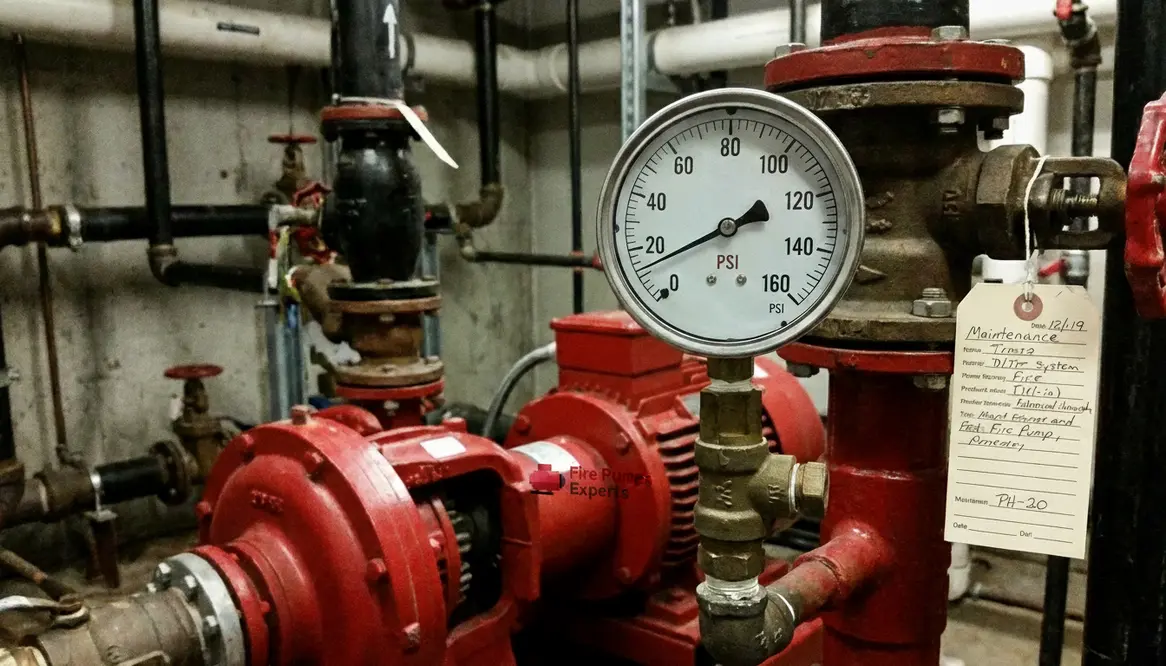
Water Pressure and Fire Pump Performance Risks
I have seen how a building can stand tall and confident one moment, then feel suddenly vulnerable the next. It often comes down to something deceptively simple: water pressure and fire pump performance. In large commercial and industrial properties, these two forces work quietly in the background, like stagehands in a Broadway show. When they falter, the spotlight shifts fast, and not in a good way. So let me walk you through why pressure problems are not just a nuisance but a genuine threat to safety, reliability, and peace of mind.
How water pressure shapes fire pump performance in real systems
I like to think of a fire pump as a heart. It does not create life on its own, but it keeps everything moving. However, even the strongest heart struggles if the blood flow is off. In the same way, inconsistent water flow can disrupt the entire suppression system and quietly undermine water pressure and fire pump performance where it matters most.
When incoming pressure drops too low, the pump works harder than it should. As a result, components wear faster, efficiency drops, and response time increases. On the flip side, excessive pressure can overwhelm valves and fittings. Consequently, what should be a controlled response turns into mechanical stress that chips away at long-term reliability.
In large facilities, this balance matters even more. A distribution warehouse or high rise office tower cannot afford hesitation during an emergency. And yet, many systems operate with pressure conditions that quietly drift out of spec over time, creating a silent gap between the design on paper and the performance you are counting on in real life.
What causes unstable pressure in commercial buildings
You might expect dramatic failures to be the main culprit, but in reality, the causes are often subtle. Almost sneaky. That is what makes water pressure and fire pump performance such a tricky pairing: the problems do not always arrive with sirens and flashing lights.
Common internal factors
- Aging pipes that restrict flow
- Partially closed valves after maintenance
- Scale buildup reducing diameter
- Poor system design for expansion
External influences
- Municipal supply fluctuations
- Seasonal demand spikes
- Nearby construction impact
- Shared infrastructure strain
Now, here is the twist. These issues rarely announce themselves. They do not knock on the door like a fire inspector. Instead, they creep in slowly, like that one coworker who microwaves fish in the break room. By the time you notice, the damage is already in motion, and water pressure and fire pump performance have been quietly compromised for far too long.
Can low pressure quietly sabotage your fire protection system?
Short answer? Yes. And it does so with impressive subtlety.
Low pressure reduces the system’s ability to deliver water at the required flow rate. Therefore, even if the fire pump activates, it may not meet the demand needed to suppress a fire effectively. This is especially dangerous in large scale facilities where coverage areas are vast and hazards are higher, and where everyone assumes that water pressure and fire pump performance are ready to carry the load.
Additionally, low pressure can trigger false confidence. Gauges might still show activity, and alarms may not immediately indicate failure. Meanwhile, actual discharge performance lags behind expectations. It is like thinking your phone is charging, only to realize later the cable was never plugged in. Not ideal when stakes are high.
The hidden strain on pumps and infrastructure
When pressure fluctuates, the fire pump compensates. That might sound helpful, but it comes at a cost.
Over time, inconsistent pressure forces the pump to cycle more frequently. Consequently, seals degrade, bearings wear, and energy consumption rises. In large commercial systems, that translates into higher operational costs and increased downtime risk. It is the kind of slow, grinding impact that only shows up clearly when you look at long-term trends in water pressure and fire pump performance together.
Moreover, pressure imbalance can affect connected components such as sprinkler heads and standpipe systems. These elements rely on predictable flow conditions. When those conditions shift, performance becomes uneven, and coverage may fall short in critical zones.
I have seen facilities invest heavily in advanced fire protection systems, only to overlook the very pressure conditions that allow those systems to function. It is a bit like buying a luxury car and forgetting to check the fuel line. Impressive on paper, questionable in practice.
How to stabilize performance and protect your facility
The good news is that pressure related risks are manageable when approached with intention. You are not at the mercy of mysterious forces; you are dealing with a system that can be measured, tracked, and tuned for reliable water pressure and fire pump performance.
1. Prioritize performance-based testing
First, regular testing is essential. Not just routine checks, but performance based evaluations that measure real output under load. This ensures that both pressure levels and pump response align with system requirements, not just with what the spec sheet says. Flow tests, curve comparisons, and documented trends help expose problems long before they turn into emergencies.
2. Use smart monitoring to spot drift early
Next, monitoring systems can provide real time insight. With modern sensors and controls, facility managers can detect pressure deviations early. As a result, they can act before small issues become major failures. Trend logs that capture both water pressure and fire pump performance give you a story over time, not just a snapshot during an annual inspection.
3. Align design, maintenance, and building changes
Finally, system design and maintenance must evolve with the building. Expansions, renovations, and operational changes all impact water demand. Therefore, periodic reassessment keeps everything aligned. What worked perfectly five years ago might now be undersized, overstressed, or operating under pressures it was never meant to see.
In my experience, the facilities that treat pressure management as a living process tend to avoid the dramatic failures that make headlines. And honestly, staying out of the news is a pretty good goal when it comes to fire protection. If you want a benchmark for best practice, consider how a dedicated fire pump partner such as a specialized fire pump service provider builds inspections, testing, and documentation into an ongoing program instead of a one-time event.
FAQ: Quick answers for busy facility managers
These quick hits will not replace a full evaluation, but they will give you a clearer sense of how pressure conditions connect directly to your system’s reliability.
Final thoughts and your next move
I have learned that water pressure and fire pump performance are not just technical details. They are the quiet guardians of every commercial and industrial facility. When they work together, they protect lives and assets without fanfare.
If you want confidence in your system, take action now. Schedule a professional evaluation, review your pressure conditions, and make sure your documentation reflects the actual state of your equipment, not just what was true during installation. Ask specifically how water pressure and fire pump performance are being verified under real-world demand, not just at idle conditions.
Because in this story, preparation is the hero. Quiet, consistent, slightly unglamorous preparation that keeps your building from ever starring in the kind of headline nobody wants to read.