Weekly Fire Pump Churn Test Explained for Facilities
Introduction
I have spent enough time around fire pump rooms to know one simple truth. When everything works, nobody notices. Yet when it fails, suddenly everyone wishes they had paid more attention. That is exactly why the weekly fire pump churn test explained matters so much for commercial and industrial facilities.
In simple terms, this test runs the fire pump without flowing water through the building. The pump spins, pressure builds, gauges move, and operators confirm the system is ready if a real fire breaks out. Think of it like starting your car in the driveway to make sure the engine still behaves. Only in this case the engine protects an entire facility.
In the sections ahead, I will walk through what actually happens during the process, why it matters for large buildings, and what professionals watch closely during the test. And yes, along the way I might slip in a joke or two. Even fire pumps deserve a little personality.
What Actually Happens During a Weekly Fire Pump Churn Test Explained
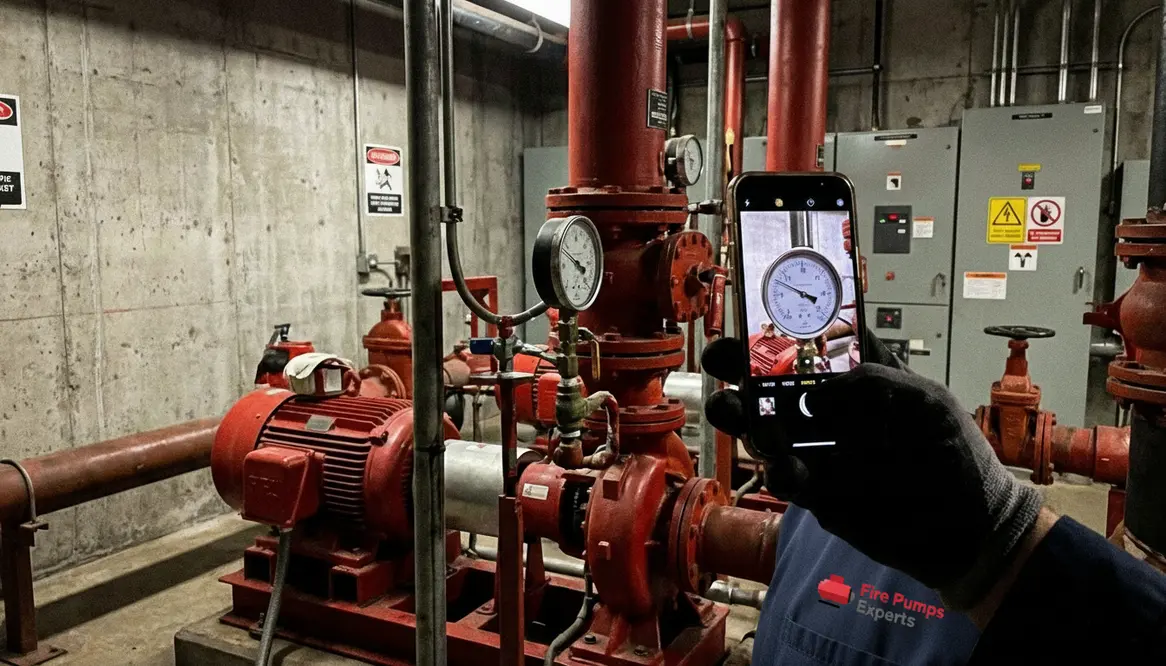
When I step into a pump room for the weekly check, the first thing I do is observe. The room tells a story before the pump even starts. Valves should be open, gauges steady, and controllers quiet. If something already looks odd, that is a clue.
Next, I start the pump using the controller. In many commercial properties this is an electric motor pump, though diesel systems follow a similar idea. Once the pump activates, water begins circulating inside the system but does not discharge through sprinklers or standpipes.
This is what the industry calls churning. The pump runs against closed discharge conditions while maintaining pressure.
During those few minutes, I focus on several indicators.
- Pressure readings on suction and discharge gauges
- Time required for the pump to start
- Controller status and alarm signals
- Unusual vibration or noise
- Packing leakage or seal condition
Meanwhile, I also watch the pressure stabilization. A healthy pump reaches its churn pressure and holds steady. If the needle jumps around like it drank too much coffee, something needs attention.
However, the goal is not simply to start the pump. The real goal is confidence. When a fire event occurs in a warehouse, hospital, high rise, or manufacturing facility, there is no warm up period. The system must respond instantly.
Therefore, the churn test acts like a weekly rehearsal. And unlike Broadway shows, this performance must be flawless every time. When safety teams talk about the weekly fire pump churn test explained in their meetings, this is what they really mean: a consistent, repeatable way to prove the system will respond when it counts.
Inside the Pump Room: What I Check While the Pump Runs
Once the pump reaches steady churn pressure, the real inspection begins. This is the moment where small issues reveal themselves. And trust me, pump rooms love to whisper problems quietly before they shout.
First, I check the suction pressure. This tells me whether the water supply feeding the pump is stable. If that pressure drops unexpectedly, the pump could struggle during a real demand.
Next, I examine discharge pressure. That reading shows the pump’s ability to build pressure inside the fire protection system. If it sits far outside the expected range, the pump may need mechanical adjustment.
Meanwhile, I also listen carefully. A fire pump should sound steady and confident. Grinding noises, rattles, or vibration can indicate alignment issues or worn bearings.
Then there is the packing gland. Some leakage is normal. In fact, a few drops of water help keep the packing cool. However, if the pump starts spraying like a lawn sprinkler at a summer barbecue, it needs service.
Additionally, I verify that the controller records the run time properly. This log becomes critical documentation for facility managers, insurers, and safety inspectors.
And yes, sometimes I stand there quietly for a moment and just listen. It brings to mind mission control watching every gauge like their lives depend on it. In our world, the safety of thousands of occupants can depend on those readings, which is why having the weekly fire pump churn test explained clearly to your team is so valuable.
Two Critical Views During the Weekly Pump Check
Mechanical observations I make
- Motor temperature and ventilation
- Shaft alignment vibration
- Pump casing leaks
- Valve positions
- Coupling condition
Operational indicators I verify
- Suction pressure stability
- Discharge pressure at churn
- Controller start response
- Alarm and signal outputs
- Run time recording
Looking at both sides together helps me understand the full story. A pump might appear fine mechanically but still produce odd pressure behavior. On the other hand, perfect pressure readings mean little if the motor runs hot enough to toast bread.
This dual perspective keeps commercial facilities safe and compliant and gives substance to any internal training where the weekly fire pump churn test explained in writing needs to match what people actually see and hear in the pump room.
Why Large Commercial Facilities Rely on This Routine
Large buildings operate like small cities. Warehouses move millions of dollars of goods. Hospitals protect lives every hour. Manufacturing plants house expensive equipment that cannot afford downtime.
Because of this, the weekly fire pump churn test explained earlier serves a much bigger purpose than a routine checkbox.
First, it confirms readiness. Fire pumps sit idle most of the time. Mechanical equipment dislikes inactivity. Seals dry out, corrosion appears, and electrical components age quietly. Weekly operation keeps the system active.
Second, it detects early failure signs. Catching a small vibration problem today may prevent a seized bearing months later.
Third, it protects regulatory compliance. Inspection records demonstrate that facility managers maintain their fire protection infrastructure properly. Resources like the fire pump testing guidance from Kord Fire Protection at https://kordfire.com/fire-pump-testing-requirements-things-to-know/ help teams line up their on-site routines with recognized best practices.
Finally, it protects reputation. When a fire incident occurs, investigators quickly examine whether systems were tested regularly. Nobody wants to explain to executives or insurers why a pump sat silent for months.
In other words, this test builds confidence across operations teams, safety officers, and building owners.
Also, and I say this with a grin, a quiet pump room after a successful test is one of the most satisfying sounds in facility management. Silence means readiness.
Common Problems That Show Up During Churn Testing
Even well maintained systems occasionally reveal surprises. That is exactly why weekly testing exists.
One common issue involves pressure irregularities. If churn pressure drops below expected levels, the pump may have worn impellers or suction restrictions.
Another frequent problem involves controller faults. Electrical components age, and connections loosen over time. During the test, alarms or delayed starts can reveal these issues.
Seal and packing leaks also appear during operation. While minor dripping is normal, excessive leakage signals wear that should be corrected quickly.
Occasionally, operators notice vibration changes. This might stem from alignment drift between the motor and pump. Left unchecked, that vibration can damage bearings.
Finally, diesel pump systems sometimes expose battery or fuel concerns. A quick weekly run helps verify that backup power remains dependable.
In short, the churn test acts like a routine health check for the entire fire protection pumping system, turning the dry phrase “weekly fire pump churn test explained” into a very real, hands-on safety practice.
Conclusion
Running a fire pump for a few minutes each week might seem simple, yet it protects entire commercial operations. The weekly fire pump churn test explained here proves that reliability comes from routine discipline. When performed correctly, it reveals problems early, confirms readiness, and strengthens life safety systems across major facilities. If your building depends on a fire pump, treat this weekly check as essential. The quiet confidence it delivers is worth every minute.