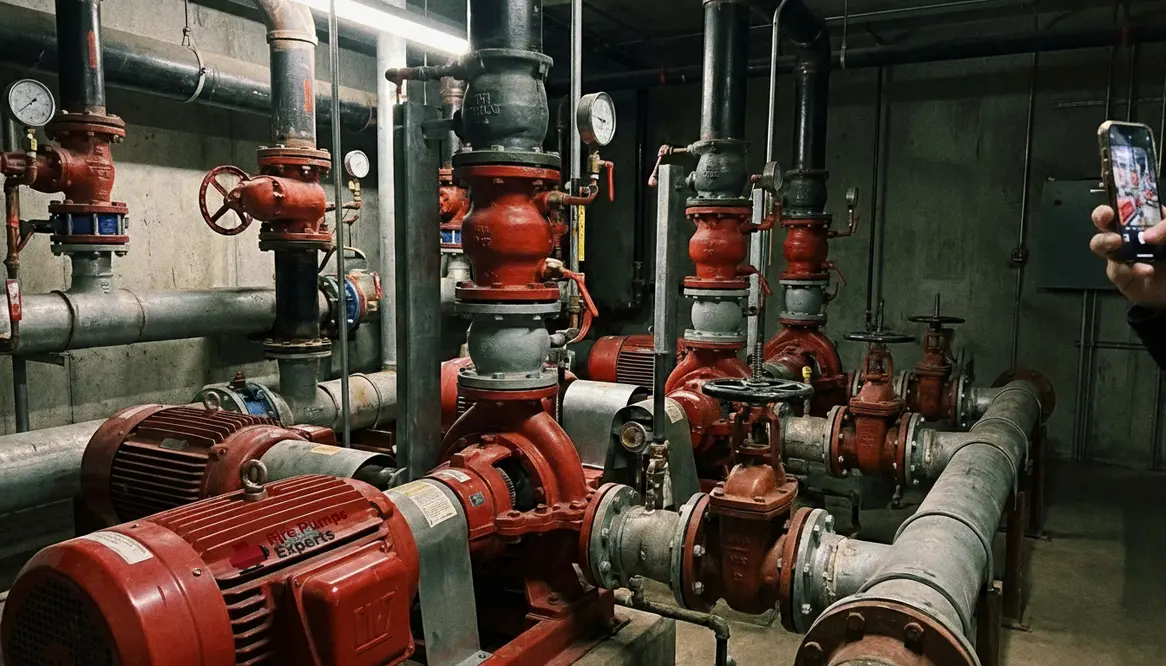
Fire Pump Buyer Questions for US Commercial Buyers
What U.S. Commercial Buyers Should Ask Before Purchasing a Fire Pump System
I have sat in enough equipment rooms to know this truth: a fire pump system is the quiet hero you hope never takes center stage. Yet when it does, it had better perform like a blockbuster finale. So before signing off on a purchase, I always come back to the essential fire pump buyer questions. What standards does it meet? Will it handle my building’s demand? Who maintains it? And perhaps most importantly, will it still work years from now when no one remembers who installed it?
These are not small questions. They are the difference between compliance and catastrophe. So let’s walk through them with clarity, a little humor, and just enough gravity to match the stakes.
What Should I Know Before Buying a Fire Pump System?
I start with the fundamentals because, frankly, skipping them is like buying a parachute based on color. First, I confirm compliance with NFPA 20 standards. Not optional. Not negotiable. If the system does not meet U.S. codes, I move on.
Next, I look at the building itself. A high rise in Chicago does not behave like a distribution center in Texas. Therefore, I calculate flow rate, pressure requirements, and water supply reliability. If the numbers feel vague, that is my cue to pause.
Then, I examine the power source. Electric pumps are efficient, but diesel units offer independence during outages. Ideally, I match the pump type to the facility’s risk profile. Because when the lights go out, that is not the moment for surprises.
And yes, I always ask about testing. Weekly churn tests, annual flow tests, and controller checks should be part of the plan. If a vendor hesitates here, I hear alarm bells louder than any siren.
Breaking Down Key Fire Pump Buyer Questions That Actually Matter
When I step back, these fire pump buyer questions form a pattern. I am not just buying equipment. I am investing in reliability.
Performance and Capacity
I verify that the pump meets peak demand, not just average use. Because fires do not politely scale themselves to your equipment.
System Integration
I make sure the pump aligns with existing sprinkler and standpipe systems. Otherwise, I risk building a very expensive mismatch.
Controller Reliability
I check for listed and approved controllers with clear diagnostics. If it cannot communicate problems, it cannot solve them.
Installation Expertise
I ask who installs it and their experience with large commercial properties. A great pump installed poorly is still a problem.
Long Term Maintenance
I confirm service contracts and response times. Because “we’ll get to it” is not a strategy.
Lifecycle Costs
I look beyond price tags. Energy use, repairs, and downtime all add up over time.
For U.S. commercial projects, these fire pump buyer questions help separate “looks good on paper” from “will still run flawlessly at 3 a.m. during a storm.” This is also where it pays to study NFPA 20 in context with real installations, or even review expert resources such as Kord Fire Protection’s NFPA 20 overview at how NFPA 20 regulates fire pump systems.
How Do I Choose the Right Fire Pump for My Building?
Match the Risk, Not the Catalog Page
I like to think of this step as casting the right actor for the role. Not every pump belongs in every building.
First, I identify the building type. Hospitals, data centers, and industrial plants each carry unique risks. Then, I match those risks to pump types such as horizontal split case, vertical turbine, or inline systems.
After that, I evaluate water supply. If I rely on a municipal source, I confirm consistency. If I use a tank, I calculate capacity with precision. Guesswork here is about as useful as a screen door on a submarine.
Finally, I consider redundancy. In larger facilities, a backup pump is not overkill. It is peace of mind with a steel casing.
Understanding Compliance, Testing, and Inspection Requirements
Compliance Is Not the Boring Part
Now, this is where things can feel less exciting, but it matters just as much as horsepower. I ensure the system aligns with NFPA, local codes, and insurance requirements. Because failing an inspection is not just inconvenient. It can shut operations down.
Moreover, I build a testing schedule into operations from day one. Weekly checks keep the system active. Annual flow tests confirm performance under pressure. And documentation ties it all together.
In my experience, inspectors appreciate clarity. If I can hand over clean records, the process moves smoothly. If not, well, expect a longer day and fewer smiles.
Vendor Selection and Long Term Support
Service Capability Beats Shiny Brochures
I never treat vendor selection as an afterthought. Instead, I ask direct fire pump buyer questions about service capability, response time, and parts availability.
Because here is the reality. A pump without support is like a sports car without a mechanic. It looks impressive until something goes wrong.
I also look for providers who specialize in commercial and industrial facilities. Large properties demand a different level of expertise. გამოცდილ matters. And yes, I check references. Always.
FAQ: Fire Pump Buyer Questions Answered Clearly
These are some of the most common fire pump buyer questions I hear from U.S. commercial owners, facility managers, and project teams.
Conclusion
When I look at fire pump buyer questions, I see more than a checklist. I see a strategy for protecting people, property, and operations. If you are planning a system for a commercial or industrial facility, take the time to ask the right questions and demand clear answers.
Focus your fire pump buyer questions on four pillars: compliance with NFPA and local codes, performance under your building’s worst day conditions, installation quality, and long term maintenance. If a proposal cannot address all four, it is not ready for your signature.
Work with specialists who understand complex buildings and long term performance. And when you are ready, connect with experts who can guide you from selection to service with confidence, so that the quiet hero in your equipment room will be ready the one time it has to take the stage.