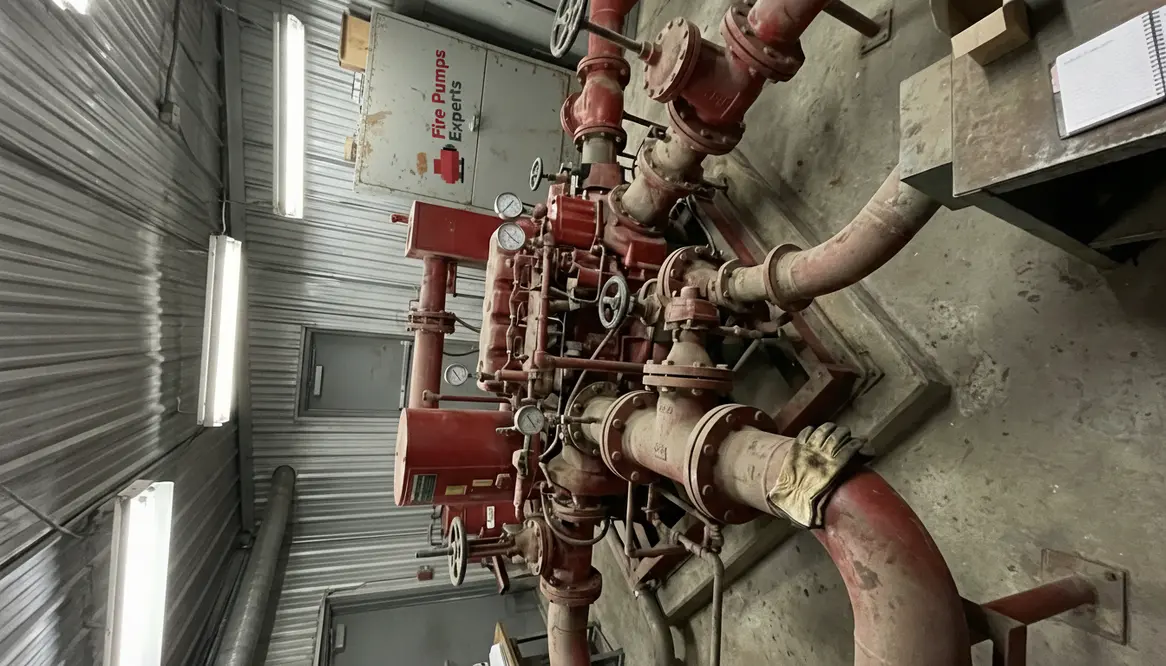
Fire Pump Water Supply Issues in Bakersfield
Keeping your fire pump ready in Bakersfield means staying one step ahead of heat, dust, and the kind of surprises that only show up when systems are under pressure.
I have walked through more commercial buildings in Bakersfield than I can count, and I can tell you this right away: fire pump water supply issues have a way of showing up at the worst possible time. Usually right when everyone assumes everything is fine. It is a bit like that one character in a disaster movie who says, “What could possibly go wrong?” and then, well, everything does. In large facilities, a fire pump is not just equipment. It is the quiet backbone of your fire protection system. So today, I am going to walk you through how I keep those systems reliable, steady, and ready when it matters most.
Why Bakersfield systems need extra attention
Between temperature swings, dust, and industrial workloads, Bakersfield is rough on fire protection equipment. Staying ahead of fire pump water supply issues here is not optional. It is part of keeping your building and people safe.
If you want help from a team that lives and breathes this work across Kern County, take a look at Kord Fire’s fire pump services at https://kordfire.com/fire-pump/.
How I approach fire pump maintenance in Bakersfield commercial properties
First, I treat every system like it is going to be tested tomorrow. Because in Bakersfield’s industrial and commercial spaces, it often is. Heat, dust, and heavy usage create a perfect storm for wear and tear. So I stay proactive.
For example, I always start with routine inspections. I check pump controllers, valves, and gauges. Then I look at water supply conditions. Because if there are disruptions in flow or pressure, you are already in trouble before the pump even starts.
Listening for trouble before it arrives
Also, I pay attention to patterns. If something sounds slightly off or takes longer to start, I do not ignore it. Small changes often signal bigger problems ahead. And trust me, ignoring those signs is like ignoring a check engine light for six months. It will catch up with you.
What causes fire pump water supply issues in large buildings
Now let’s get into one of the most common concerns I see: fire pump water supply issues. These problems do not just appear out of nowhere. They build over time.
In many Bakersfield properties, I see issues tied to inconsistent municipal water pressure. Additionally, underground piping can develop leaks or blockages. Over time, sediment buildup can restrict flow, especially in older industrial systems.
Another big factor is poor system design or modifications made without considering the full load. I have seen facilities expand operations without upgrading their fire protection infrastructure. That is like adding extra passengers to a lifeboat and hoping it still floats.
Looking at the whole system
Because of this, I always evaluate supply lines, storage tanks, and suction conditions together. Everything must work as a single system, not as isolated parts. That is how you keep fire pump water supply issues from becoming emergencies during real fire events.
My go to checklist for keeping fire pumps reliable
I like to keep things simple but thorough. Maintenance does not need to be flashy to be effective.
Here is how I stay on top of it:
- Weekly churn tests to confirm the pump starts and runs smoothly
- Monthly flow tests to verify pressure and output meet demand
- Controller inspections to ensure automatic operation is ready
- Valve position checks so nothing blocks water flow
- Fuel and power supply checks for diesel and electric pumps
In addition, I document everything. Not because paperwork is fun, but because trends matter. Over time, those records tell a story about your system’s health and highlight where fire pump water supply issues may be starting long before they appear during a real emergency.
Where I see most failures happen and how I prevent them
Interestingly, most failures do not come from the pump itself. They come from neglect around it. For instance, I often find corrosion in fittings, loose electrical connections, or poorly maintained suction lines.
So I focus on the environment as much as the equipment. I make sure pump rooms stay clean, dry, and properly ventilated. Because even the best fire pump will struggle in poor conditions.
Training the people around the pump
Also, I train onsite teams to recognize early warning signs. A strange vibration or delayed startup should never be brushed off. After all, the goal is not just compliance. The goal is readiness.
Comparing reactive vs proactive maintenance approaches
Reactive Approach
Fix it when it breaks
- Higher emergency repair costs
- Increased downtime
- Greater risk during fire events
- Unpredictable system behavior
Proactive Approach
Prevent issues before they start
- Stable system performance
- Lower long term costs
- Compliance with safety standards
- Confidence during inspections
I choose proactive every time. It is not as dramatic, but it works. And frankly, I prefer boring success over exciting failure, especially when fire pump water supply issues are the kind of “plot twist” nobody wants in the middle of a real emergency.
Can fire pump water supply issues be prevented entirely?
Not entirely. Anyone who tells you that is selling something. However, I can reduce the risk significantly.
I do this by regularly testing water supply consistency and verifying that backup sources are available. In Bakersfield, where demand on municipal systems can fluctuate, redundancy matters. Storage tanks, secondary feeds, and pressure monitoring all play a role.
Also, I coordinate with facility managers to ensure system upgrades match building changes. Because growth without planning is one of the fastest ways to create supply problems. Think of it this way. You cannot control every variable, but you can control how prepared you are and how often you let professionals look for early fire pump water supply issues before they become full-blown failures.
FAQ: Fire Pump Maintenance for Commercial Properties
Keep your system ready before it is tested
I always say this: a fire pump is the hero you hope never needs to act. But when it does, it better not hesitate. If you manage a commercial or industrial property in Bakersfield, now is the time to take maintenance seriously. Stay ahead of fire pump water supply issues, invest in proper inspections, and work with experts who understand complex systems. Because when the moment comes, readiness is everything. And there is no room for second takes.