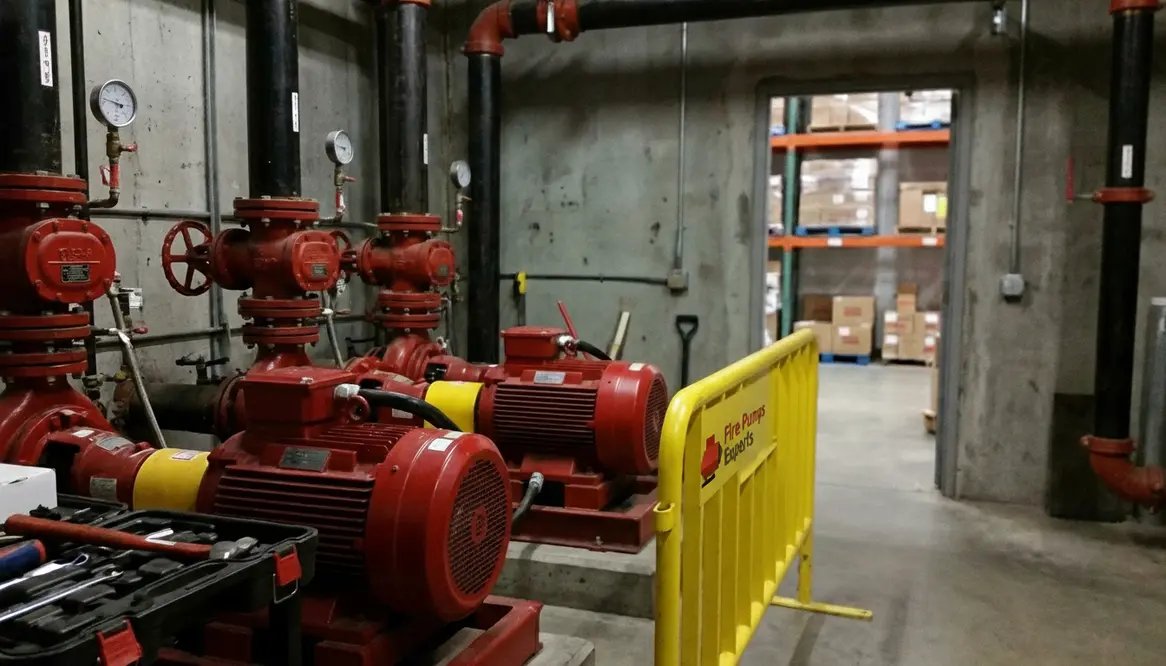
Large Format Retail Fire Pumps Guide
A field-tested look at how large format retail fire pumps protect massive stores, warehouse clubs, and sprawling commercial floors when it matters most.
I have spent years walking through vast retail floors where a single aisle can feel like a city block. In spaces that large, safety is not a detail. It is the foundation. That is where large format retail fire pumps come into play. They do not just sit quietly in a mechanical room. They stand ready, like a calm but vigilant night watchman, ensuring that when the unexpected happens, water moves fast and with purpose. And trust me, in a building the size of a warehouse club, you do not want to rely on crossed fingers and a garden hose.
Why these systems matter so much
In a typical neighborhood store, a small failure might inconvenience people. In a big box or wholesale club, failure can shut down operations, put lives at risk, and create losses that ripple through an entire region. The right large format retail fire pumps turn that risk into managed, predictable performance.
Understanding Fire Pump Requirements for Large Retail Spaces
When I evaluate a large retail facility, I start with one simple truth. Bigger buildings demand stronger, more reliable fire protection systems. Therefore, fire pump requirements scale with size, layout, and hazard level.
Most large retail stores exceed the pressure capacity of municipal water supplies. As a result, fire pumps step in to boost water flow to sprinkler systems and standpipes. Without them, coverage becomes inconsistent, and that is a risk no operator should accept.
Codes such as NFPA 20 and NFPA 13 guide the design. However, I always remind clients that compliance is just the baseline. A well designed system goes beyond code and considers real world scenarios. Black Friday crowds. Stacked inventory. Seasonal layout changes. Because fire does not care about your floor plan redesign.
What Drives Fire Pump Sizing in Big Box Retail Buildings
I get this question a lot, and the answer is both simple and layered. Fire pump sizing depends on demand, but demand is shaped by several factors.
First, I look at the total square footage. Larger spaces require higher flow rates. Next, I evaluate ceiling height and storage configurations. High piled storage increases fire intensity, which drives up water demand.
Then, I consider sprinkler system design density. A typical retail setup differs greatly from a warehouse style store with palletized goods. Finally, I factor in pressure losses across the system. Long pipe runs and elevation changes can quietly eat away at performance.
Put it all together, and you get a pump that is not just powerful, but precisely matched to the building. Think of it like casting a superhero. You do not send Hawkeye to stop the Hulk. You bring in the right strength for the job. That is exactly how large format retail fire pumps should be selected: tailored, not guessed.
Large Format Retail Fire Pumps and System Integration
Now here is where things get interesting. A fire pump does not work alone. It is part of a larger ecosystem, and every component must play nicely together.
Making the system work as one
For example, I always ensure seamless integration with sprinkler systems, alarm controls, and backup power sources. Because when the power goes out, which it often does during emergencies, the pump still needs to perform. Diesel driven pumps or reliable generator connections become essential.
Additionally, I pay close attention to controller settings and monitoring systems. Modern setups allow facility managers to track performance in real time. That means fewer surprises and faster response when something drifts out of spec.
From connection to coordination
And yes, I have seen systems where everything looked perfect on paper but failed during testing. Integration is not just about connection. It is about coordination. Like a good band, every instrument must stay in rhythm. The best large format retail fire pumps are paired with controls, alarms, and power systems that support them instead of holding them back.
When those pieces lock together, you get predictable, repeatable performance on the worst day your building ever faces.
Key Design Priorities I Always Focus On
Reliability
I design for worst case scenarios, not average days. The goal is a pump and system combination that still performs when power is unstable, demand spikes, and people are moving in every direction at once.
Redundancy
Backup power and secondary systems are non negotiable. If utility power disappears, your large format retail fire pumps should not even flinch.
Accessibility
Maintenance teams need clear access without disruption. If technicians need a map and a hiking pack to reach your pump room, something is wrong.
Compliance
Meeting code is the starting line, not the finish. I design systems that satisfy NFPA and local requirements while reflecting how the building is actually used.
Efficiency
Energy use matters, especially in large facilities. Properly matched pumps, smart controllers, and realistic duty expectations keep operating costs in check.
Scalability
Retail spaces evolve, and systems must keep up. A good design lets you expand or reconfigure without rebuilding your entire fire protection backbone.
Common Mistakes I See in Commercial Installations
Let me be honest. I have walked into facilities where the fire pump setup felt like an afterthought. And that is where problems begin.
Sizing, placement, and planning
One common mistake is undersizing the pump. It might save money upfront, but it creates serious risk later. Another issue is poor maintenance planning. Even the best equipment fails without regular testing.
Then there is improper placement. I have seen pumps installed in areas that flood easily. Water protecting against fire should not be at risk from water itself. That is irony we can avoid.
Testing under real conditions
Finally, some operators overlook system testing under real conditions. A pump that works in theory must prove itself in practice. Otherwise, it is just an expensive paperweight. Rigorous testing is how you confirm your large format retail fire pumps are more than just line items on a specification sheet.
When tests are realistic, they reveal pipe friction issues, valve problems, power-transfer delays, and human response gaps long before an emergency does.
Large Format Retail Fire Pumps in Long Term Operations
Once installed, the job is not done. In fact, it is just beginning. Long term performance depends on consistent inspection, testing, and maintenance.
Testing, logging, and adapting
I recommend routine weekly and annual testing aligned with NFPA standards. Additionally, I encourage facility teams to keep detailed logs. Patterns in performance can reveal issues before they escalate.
Upgrades also matter. As retail spaces expand or change layout, fire protection systems must adapt. A pump that worked perfectly five years ago might not meet today’s demand.
Keeping pace with living buildings
And let us be real. Retail never stands still. If your store layout changes more often than a streaming service menu, your fire protection strategy should keep pace. That is especially true for large format retail fire pumps, which sit at the heart of your suppression system.
As product lines grow taller, denser, and more complex, your original hydraulic calculations can quietly slide out of date. Periodic reviews and hydraulic modeling are how you make sure today’s reality still matches yesterday’s design.
FAQ
Here are some of the questions I hear most often when owners and facility managers start taking their pump rooms as seriously as their sales floors.
Final Thoughts and Next Steps
When I look at large retail environments, I see more than shelves and shoppers. I see complex systems working quietly to keep people safe. Choosing the right fire pump setup is not just a technical decision. It is a responsibility.
If you manage or develop commercial properties, now is the time to evaluate your system, address gaps, and invest in reliability. Work with professionals who understand how large format retail fire pumps interact with sprinklers, alarms, power, and evolving floor plans. Your future self will be grateful on the day those calculations and decisions are put to the test.
When you walk your next store, do not just look at endcaps and signage. Picture the hidden network overhead and in the walls, and ask whether it is truly ready. If the answer is anything less than a confident yes, that is your cue to act. And if you need a starting point, resources on sites like https://firepumps.org can help you frame the right questions before your next design review.