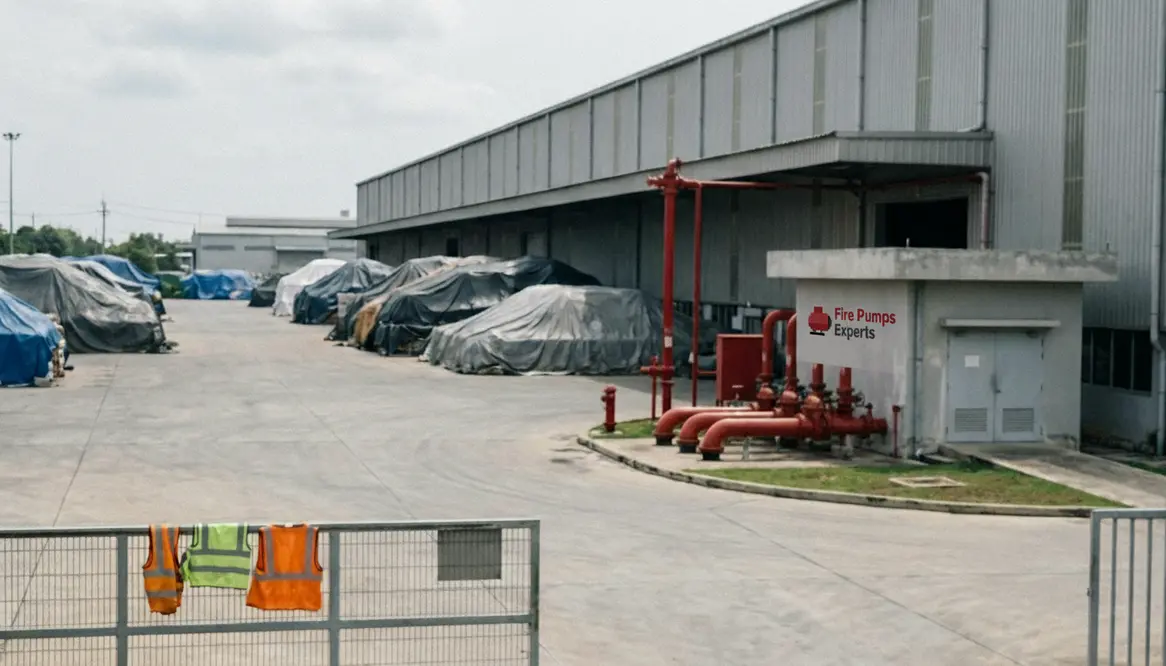
Fire Pump Needs for Large Raw Material Storage
I have spent years around industrial facilities, and if there is one thing I have learned, it is this: fire does not care how valuable your materials are. It only cares that they burn. That is why understanding Fire pump needs for large raw material storage is not just a box to check. It is a core part of protecting operations, revenue, and frankly, peace of mind. And yes, while fire pumps are not exactly the rock stars of your facility, they are the quiet bodyguards working backstage. You only notice them when something goes wrong, and by then, you really want them doing their job.
What do fire pump systems actually need in bulk material facilities
Let me answer this the way I would if we were walking your site together. Bulk storage facilities face unique risks because materials are often densely packed, sometimes combustible, and occasionally unpredictable. Therefore, your fire pump system must deliver consistent pressure and flow across large areas without hesitation.
First, capacity matters. You need a pump that can support high demand sprinkler systems and hydrants at the same time. In many industrial settings, that means planning for worst case scenarios, not average days.
Next, reliability is everything. Electric pumps are common, but I often recommend diesel backups. Why? Because power outages and fires tend to arrive together like uninvited guests who refuse to leave.
Finally, compliance is not optional. Standards like NFPA 20 guide fire pump installation, and ignoring them is like ignoring the instructions on a parachute. Technically possible, but not wise.
Fire pump needs for large raw material storage in high risk environments
When I look at facilities storing grain, chemicals, or heavy industrial materials, I immediately think about fire load and spread potential. These environments demand more than a basic setup. They require a system designed for scale and speed.
For example, large storage piles can create hidden fire paths. Because of that, pumps must sustain pressure long enough to suppress deep seated fires. Short bursts will not cut it. You need endurance.
Additionally, layout plays a role. Wide spacing and high ceilings can reduce sprinkler effectiveness, which means your pump must compensate with stronger performance. In other words, your system cannot just meet minimum requirements. It has to exceed them comfortably.
And yes, I know budgets exist. However, cutting corners here is like buying a sports car and skipping the brakes. It might look impressive until the moment you need control.
Design considerations that actually make a difference
I have seen beautifully engineered systems fail because someone overlooked practical details. So let me walk you through what truly matters.
Water Supply
Your pump is only as good as its water source. Therefore, I always check supply reliability first. Municipal lines, tanks, or reservoirs must support sustained demand without fluctuation.
Pressure Stability
Consistent pressure ensures sprinklers activate properly across all zones. Without it, you get uneven coverage, which is a polite way of saying trouble.
System Redundancy
Backup pumps are not overkill. They are insurance. If one fails, another takes over without hesitation.
Control Systems
Modern controllers provide real time monitoring. As a result, issues can be detected early, long before they become expensive problems.
Each of these elements supports the broader goal of meeting industrial fire pump requirements for bulk storage facilities without compromise, and they fit directly into the broader picture of Fire pump needs for large raw material storage when your operation starts scaling up.
Installation realities most people overlook
Let me be honest here. Installation is where good plans either shine or fall apart. I have seen facilities invest heavily in equipment, only to lose performance due to poor placement or access issues.
First, location matters. Pumps should be easy to access for maintenance but protected from environmental hazards. Flooding, freezing, and debris can all impact performance.
Second, alignment and testing are critical. Even small installation errors can reduce efficiency. Therefore, commissioning tests must be thorough and documented.
Finally, integration with existing systems should feel seamless. Fire alarms, sprinklers, and pumps need to communicate clearly. If they do not, you end up with delays, and in fire protection, seconds matter.
Maintenance is where systems prove their worth
I like to say a fire pump earns its reputation during maintenance, not installation. Because over time, even the best systems can degrade if neglected.
Routine testing ensures your pump starts instantly and delivers expected performance. Weekly churn tests, monthly inspections, and annual flow tests are not just recommendations. They are essential practices.
Moreover, trained personnel make a difference. Skilled technicians can spot early warning signs that others might miss. As a result, small fixes prevent major failures.
And let us be real for a moment. Skipping maintenance to save money is like skipping oil changes to save time. It works right up until it does not, and then it really does not.
If you are mapping out Fire pump needs for large raw material storage over the long term, this is where the real return shows up: fewer surprises, fewer shutdowns, and a system that performs the same on year ten as it did on day one.
Seeing the bigger picture in storage risk
When you walk through a yard full of coils, pallets, or bulk aggregate, it is easy to focus on logistics and forget that the same layout driving throughput also shapes how a fire behaves. Tall stacks, long aisles, and confined corners can trap heat, block hose streams, and overwhelm sprinklers.
That is why Fire pump needs for large raw material storage should never be treated as a final checkbox at the end of a project. They belong in layout discussions, equipment selection, and even conversations with insurers who understand how flow and pressure profiles influence loss scenarios.
FAQ
Wrapping it all up with purpose
If you are responsible for a commercial or industrial facility, investing in the right fire pump system is not just smart, it is essential. I encourage you to evaluate your current setup, identify gaps, and act before a problem forces your hand. The right solution protects your assets, your people, and your operations. And when everything is on the line, you will be glad your system was built to perform, not just exist.
Whether you are reviewing a new design, upgrading aging equipment, or simply questioning if your current arrangement is enough, treat Fire pump needs for large raw material storage as a strategic decision, not a background detail. The day you truly need that system, every thoughtful choice you made will matter.