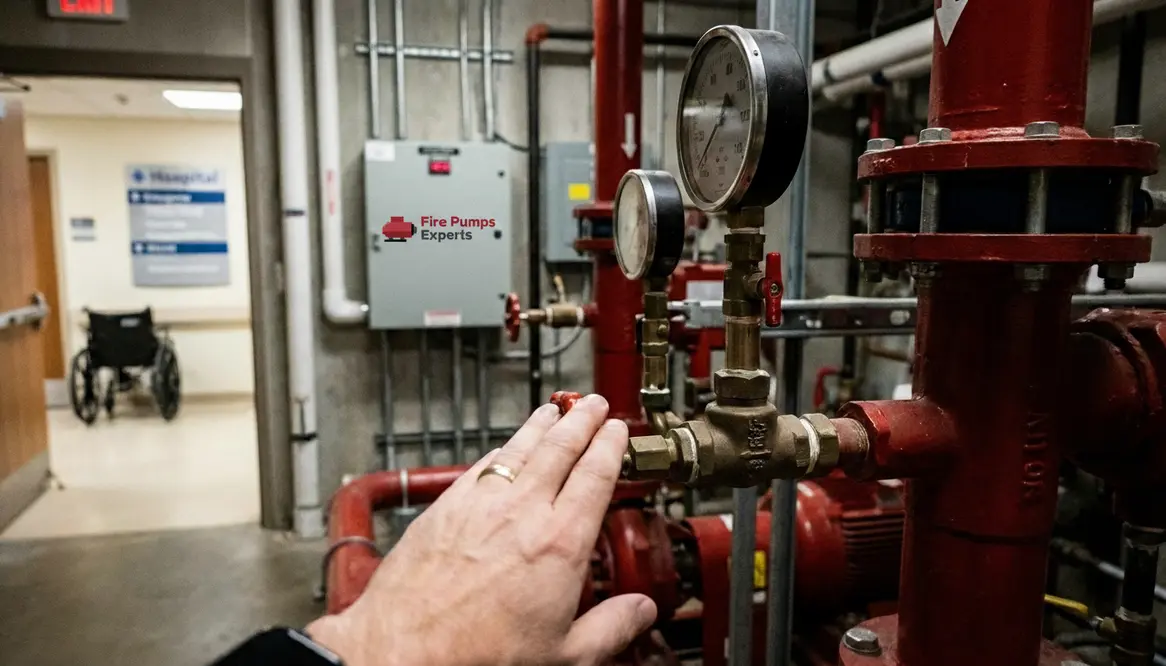
Fire Pump Systems for Shelter Facilities Safety
I have spent years walking through large facilities where every second matters, and one truth always echoes in my mind. Fire safety is not just a system. It is a promise. When I design or evaluate protection strategies, I often begin with Fire Pump Systems for Shelter Facilities, because in vulnerable occupant occupancies, reliability is everything. Hospitals, high rise residential towers, and assisted living complexes do not get second chances. So, I approach each solution with calm precision, a bit of humor to keep the team awake, and a firm respect for the people depending on us.
What makes vulnerable occupant occupancies different?
I like to think of these buildings as places where time moves differently. People may not evacuate quickly. Some cannot move at all. Therefore, the fire protection strategy must work harder, faster, and smarter.
These occupancies include healthcare facilities, rehabilitation centers, and large residential complexes with aging populations. In these environments, I prioritize layered protection. Detection, suppression, and containment must all work together without hesitation. Additionally, I focus on redundancy because systems can fail, but plans should not.
And yes, while Hollywood makes fire scenes look dramatic, real safety depends on quiet systems doing their job in the background. No explosions required.
Why strategy must be sharper in these buildings
When occupants move slowly, the building itself becomes part of the protection plan. Doors, walls, fire pumps, and alarms all share one job: buy time. That is why Fire Pump Systems for Shelter Facilities play such a central role. They keep the suppression backbone strong while passive features hold the line.
In practice, this means planning for staff response, staged evacuation, and defend in place tactics that do not rely on everyone sprinting to the exits. Instead, safety is built into the structure, floor by floor, zone by zone.
How I design fire protection systems that actually protect people
I start with a simple question. What happens if everything goes wrong at once? Then I build from there.
First, I ensure that water supply remains constant. This is where high performance pumping systems come into play. Without adequate pressure, even the best sprinkler layout becomes a decorative ceiling feature.
Next, I integrate detection systems that respond early. Early detection buys time, and in these buildings, time is the most valuable currency. Moreover, compartmentalization helps contain fire spread, allowing occupants to remain safely in place when evacuation is not practical.
Finally, I coordinate with building operations teams. Because even the best system fails if no one knows how to maintain it. Think of it like owning a luxury car but never changing the oil. It looks impressive, but it will not end well.
Fire Pump Systems for Shelter Facilities and why they carry the load
I often say that the fire pump is the heartbeat of a suppression system. When municipal pressure drops or demand spikes, the pump steps in without hesitation.
In vulnerable occupant occupancies, I rely on Fire Pump Systems for Shelter Facilities to maintain consistent flow across multiple zones. These systems must be robust, tested regularly, and designed with backup power. Because during an emergency, losing power and water pressure at the same time is the kind of plot twist no one wants.
Additionally, I ensure that these systems integrate with alarms and monitoring tools. That way, any fault is detected early. The goal is simple. No surprises.
Well designed Fire Pump Systems for Shelter Facilities also account for future growth. Buildings rarely stay static. New wings, renovated floors, or converted spaces can quietly add demand. Planning for that growth on day one prevents nasty hydraulic surprises ten years later, when the building has more people and more risk.
Key safety features I never overlook in large facilities
Active systems
- Automatic sprinklers with zoned coverage
- Standpipe systems for firefighter access
- High capacity fire pumps
- Real time alarm monitoring
Why these systems matter
Active systems are the first visible responders. They attack fire, support fire crews, and send the alarm. When paired with reliable Fire Pump Systems for Shelter Facilities, their reach and consistency increase dramatically, especially on higher floors and remote wings.
Passive systems
- Fire rated walls and doors
- Smoke control systems
- Compartmentalized layouts
- Protected egress pathways
How they support defend in place
While active systems respond, passive systems buy time. Together, they create a safety net that is far stronger than either could alone. And honestly, this is where good design feels a bit like assembling a superhero team. Each member has a role, and when they work together, things just click.
Maintaining compliance without losing your sanity
I will be honest. Codes and regulations can feel overwhelming. They evolve, expand, and occasionally read like they were written during a caffeine shortage. However, I treat them as a roadmap rather than a burden.
I schedule routine inspections, document everything, and stay ahead of updates. Furthermore, I work closely with local authorities to ensure alignment. This proactive approach prevents last minute surprises, which tend to be the least fun kind of surprises.
More importantly, compliance is not just about passing inspections. It is about ensuring that every system performs under pressure. Literally.
For inspiration and deeper technical dives, I often point teams to resources like https://firepumps.org/, then bring those concepts back to the specific risks of the building we are protecting.
How modern technology improves fire safety outcomes
Technology has changed the game, and I embrace it fully. Smart monitoring systems now provide real time data on pump performance, water flow, and system health. As a result, I can identify issues before they escalate.
Additionally, predictive maintenance tools allow me to address wear and tear early. This reduces downtime and extends system life. In large commercial and industrial buildings, this level of insight is invaluable.
And while I do not rely on gadgets alone, I appreciate how they support better decision making. It is like having an extra set of eyes that never blink.
When these tools are paired with well designed Fire Pump Systems for Shelter Facilities, the result is a living, breathing protection ecosystem. Data guides maintenance, maintenance preserves reliability, and reliability protects people who may never realize how much quiet engineering stands between them and disaster.
FAQ about fire safety for vulnerable occupant occupancies
Below are some of the questions I hear most often when working with teams responsible for complex facilities where quick evacuation is not always possible.
Conclusion
I approach fire safety with one clear goal. Protect lives without compromise. When you invest in strong system design, including dependable pumping solutions and integrated safeguards, you create a building that stands ready under pressure. If you manage or design large facilities, now is the time to strengthen your strategy. Connect with experts, evaluate your systems, and ensure your property is prepared. Because when it comes to fire safety, preparation is everything.