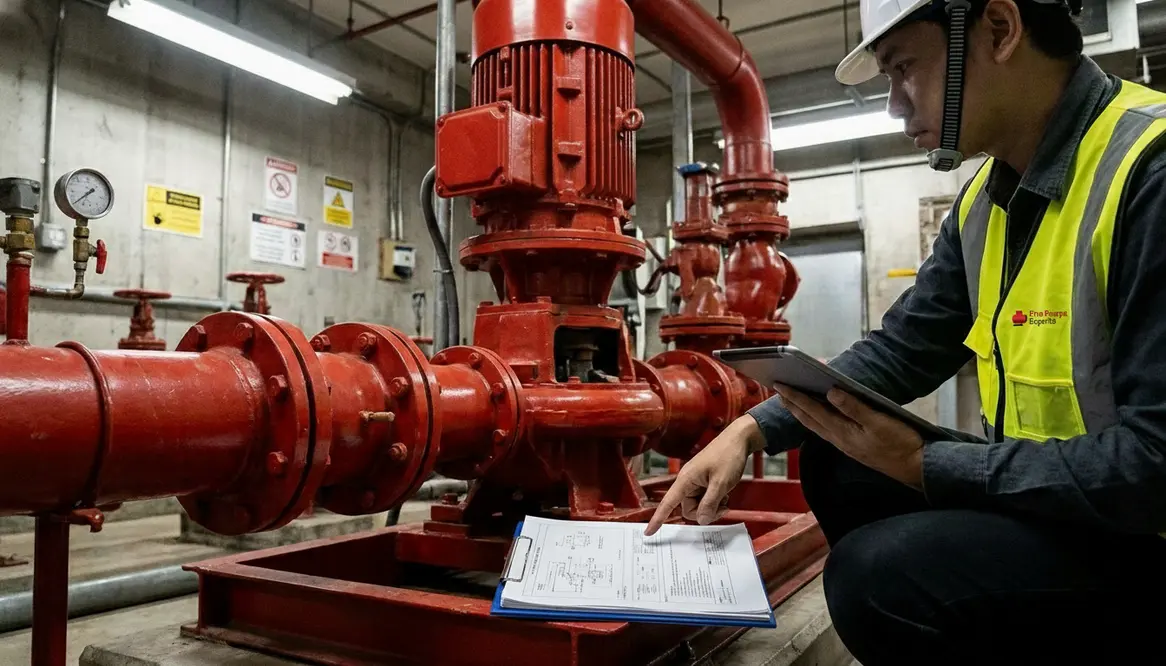
International Fire Pump Standards Map Guide
Fire Pump Standards Map for International Facilities
When I look at fire pump standards for international facilities, I see more than a checklist. I see a map that keeps commercial towers, industrial plants, and major property buildings steady when fire risk shows up uninvited. And yes, fire tends to ignore borders, which is rude, but very on brand. If I manage a facility across regions, I need local code rules, insurer demands, and performance expectations to line up. That is where a clear standards map saves time, reduces confusion, and helps me choose the right pump, controller, and test plan before trouble ever knocks.
What I compare first in international fire pump rules
I start with the code base that governs the site. In many cases, that means I compare NFPA 20, local civil defense rules, insurer guidance, and building code limits. Then I check water supply, power source, pump type, and installation space. Because one country may accept a detail that another rejects, I never assume a system approved in one place will pass in another. That would be like showing up to a black tie event in flip flops and confidence.
I also look at the facility use. A high rise office tower, a warehouse, and a processing plant face different fire loads, so I match the standards to the risk. In practice, I focus on:
- pump capacity and pressure needs
- driver type, such as electric or diesel
- water source reliability
- controller and alarm requirements
- inspection, test, and maintenance intervals
That process gives me a clean base for design and compliance. It also helps me avoid expensive rework, which nobody enjoys unless they secretly love budget drama.
How I map local code to a global site plan
I use a simple method. First, I identify the governing standard in each country or city. Next, I compare it with the owner’s internal rules and insurer expectations. After that, I build one compliance matrix for the whole portfolio. This keeps each site honest and helps my team spot conflicts early.
Compliance map for international facilities
Region | Common focus | What I verify
North America
Middle East
Asia Pacific
Europe
NFPA based design
authority approval process
mixed code and local rule sets
local EN based requirements
pump rating, driver type, weekly checks
water supply, room layout, acceptance testing
seismic needs, power backup, inspection records
certification, control panels, service access
This approach keeps me organized when projects spread across time zones. It also helps me speak the same language with engineers, owners, and AHJs. Well, as close to the same language as code people ever get, which is never quite close enough.
What fire pump standards mean for equipment selection
fire pump standards shape the entire equipment decision, not just the pump itself. I choose the pump based on flow, pressure, and reliability. However, I also check the controller, valves, fittings, driver, and skid layout. If one part misses the rule set, the whole system can stumble.
For commercial and industrial facilities, I pay close attention to redundancy and access. A pump room must allow safe service, clear labels, and fast inspection. In addition, the system must support the building’s fire protection demand without strain. If the water supply is weak, I may need a tank, a different suction setup, or another source strategy. No one wants a fire pump that acts like it skipped leg day.
Environment and real-world conditions
I also review environmental conditions. Heat, humidity, dust, corrosion, and seismic exposure can all affect performance. Therefore, I treat the standards as a living map, not a dusty binder on a shelf. That mindset keeps the system ready for the real world, where reality rarely reads the manual.
How I keep testing and maintenance simple
Once the system is installed, I focus on testing discipline. Fire pump systems need routine checks, flow testing, controller review, and documentation. If I skip maintenance, small issues grow fast. A loose connection today can become a full failure later, and that is a plot twist nobody asked for.
Three habits for reliable fire pump maintenance
- regular inspection of physical condition
- scheduled performance testing under load
- clean records for audits and insurance review
Then I assign responsibility. Someone must own the calendar, the service vendor, and the reporting trail. Because a good pump without good records can still cause headaches during an audit. For international sites, I also watch for language gaps and local reporting formats. A neat report in one country may need a different structure in another, so I keep the format flexible and the facts sharp.
Why facilities teams use expert guidance
International compliance can turn into a maze fast. So I often bring in specialists who know commercial fire protection, local approval paths, and system design details. That support helps me avoid delays, redesigns, and costly missteps. It also gives owners a clearer path from concept to approval.
If I want a deeper look at code aligned service for large properties, I can review the commercial fire pump standards guide for major facilities. That kind of reference helps me align design, testing, and long term upkeep without guessing. And guessing, in fire protection, is about as comforting as a smoke alarm at 2 a.m.
Across regions, I keep one thing in mind: fire pump standards are only useful when they shape real decisions. When I pick a pump driver, decide on redundancy, or schedule a flow test, I want those rules to anchor the choice. That way, the system is ready for inspectors, insurers, and the actual fire that might show up one difficult afternoon.
Using fire pump standards as a global map
For an international portfolio, I treat fire pump standards as a single map with local zoom levels. At the top, I keep one set of internal rules for risk, reliability, and documentation. Under that, each country’s code and insurer requirement adds its own layer. When all of that lines up, I can move from concept sketches to signed approvals without rewiring every decision in the middle of construction.
The key is consistency. If I know how often each site tests its pump, what format the records follow, and how local authorities view acceptable performance, I spend less time firefighting paperwork and more time improving actual protection. Over time, that consistency turns scattered projects into a recognizable system instead of a collection of one-off experiments.
Conclusion
If I want a safer, smoother project, I start with a clear standards map and a code first mindset. That keeps international facilities aligned, cuts approval delays, and supports reliable fire protection where it matters most. If your commercial or industrial property needs a sharper compliance path, now is the time to review your system, compare your local rules, and plan the next step with confidence. A strong fire pump plan does not just meet code. It protects the whole operation.