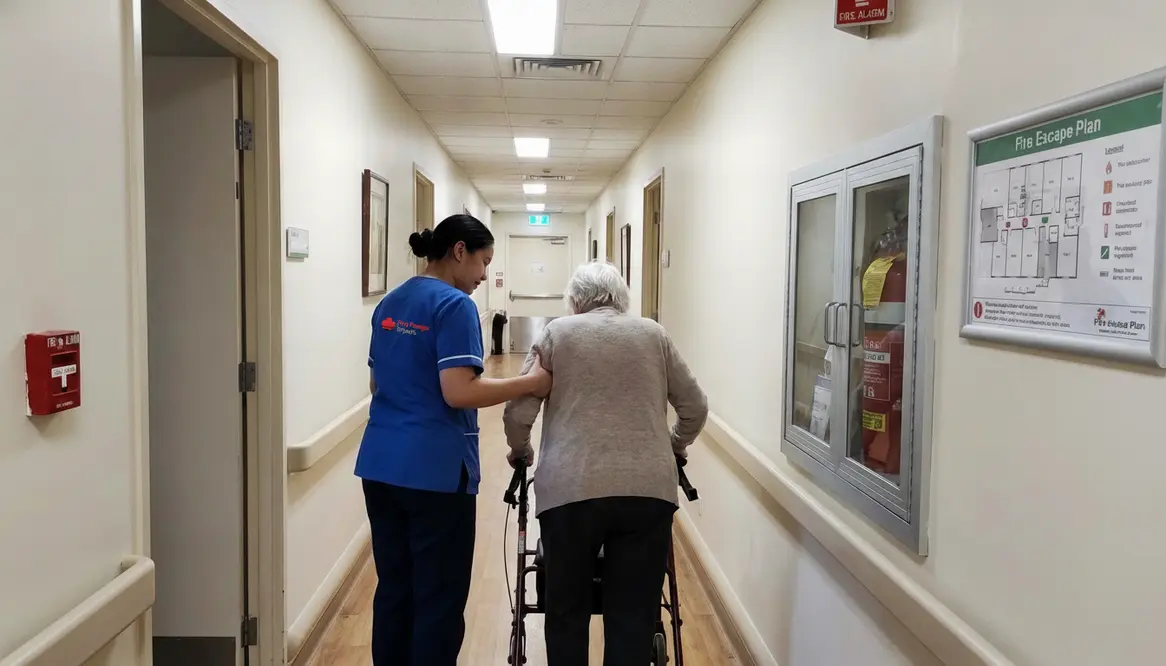
Aged care fire protection plan for safer facilities
When I talk about aged care fire protection, I am talking about more than alarms, hoses, and exit signs. I am talking about people who may need extra time, extra care, and a calm plan when every second matters. In aged care, a fire can move fast, but panic can move faster. So I focus on systems, training, and clear response steps that protect residents, staff, and visitors without turning the place into a scene from a disaster movie. Nobody wants that sequel. The good news is that solid planning can make a big difference, and I will walk you through what matters most.
Why aged care fire protection needs a different plan
I never treat aged care like a standard building. Residents may have limited mobility, memory loss, hearing issues, or medical needs that slow movement in an emergency. Therefore, the plan must work for real people, not just for a clipboard audit.
I start with a full risk check. That means I look at room layout, exit paths, smoke spread, kitchen areas, laundry spaces, electrical gear, and where staff spend the most time. Then I match the safety system to the building’s daily use. For example, I make sure alarms are easy to hear and easy to see. I also check that doors, corridors, and refuge areas support quick movement.
In aged care fire protection, timing matters, but so does calm action. A strong plan reduces confusion, and that can save lives. If the building has a clear layout and staff know the drill, the response feels less like chaos and more like choreography. Not quite Broadway, but close enough for safety work.
What I check in an aged care fire safety system
I always look at the full fire safety chain, because one weak link can cause trouble. A good system works as one unit, not as a bunch of random gadgets sitting on the wall like extras in a sci fi film.
Key parts I review:
- Smoke and heat detection that gives early warning
- Alarm systems with clear sound and visual alerts
- Sprinkler or suppression systems suited to the building
- Fire doors and compartment walls that slow smoke and flame
- Emergency lighting and exit signs that stay visible during power loss
- Evacuation maps that staff can use without guessing
I also check maintenance records. A system is only useful if it works on the day it is needed. That is why testing matters so much. I want the alarms loud, the lights ready, and the exits free of clutter. Simple enough, yet often ignored until someone stacks boxes in front of a door and pretends it is “temporary.”
How I build a response plan that staff can actually use
I keep the response plan clear, short, and practical. Staff should not need a law degree or a miracle to understand it. They need step by step actions that fit the building and the residents.
My approach includes:
I assign roles before an emergency happens. One person calls for help. Another checks the nearest residents. Another guides movement toward safe areas. As a result, everyone knows their job, and nobody stands around waiting for inspiration.
I also build the plan around staff shifts. If the night team is smaller, the plan must reflect that. In addition, I include residents who may need wheelchairs, walkers, oxygen, or extra reassurance. The goal is safe movement, not speed for speed’s sake.
Training matters just as much as the plan itself. So I repeat drills, review mistakes, and update the process when the building changes. If a hallway gets blocked for maintenance, I want the team to know it before smoke ever enters the picture.
What I recommend for commercial grade protection and trusted support
Here is the practical part. Fire safety in aged care works best when the building has the right systems, the right service support, and the right ongoing checks.
For larger facilities and major properties, I also look at reliable fire pump support because water pressure can make or break a response. If a site needs stronger system support, I recommend checking the los angeles fire pump page for commercial and industrial grade solutions. In the same way, I use Kord Fire as a useful reference for broader fire protection options and service support. That matters when the building is large, busy, and full of moving parts.
Fire protection for aged care facilities: FAQ
How I wrap up a safer aged care site
If I want real peace of mind, I do not wait for an incident to reveal weak spots. I act early, test often, and train with purpose. Strong aged care fire protection protects lives, supports staff, and keeps the whole site ready for the unexpected. If your facility needs a review, upgrade, or better fire safety planning, now is the time to move. Reach out, check your systems, and build a safer place before danger decides to visit.