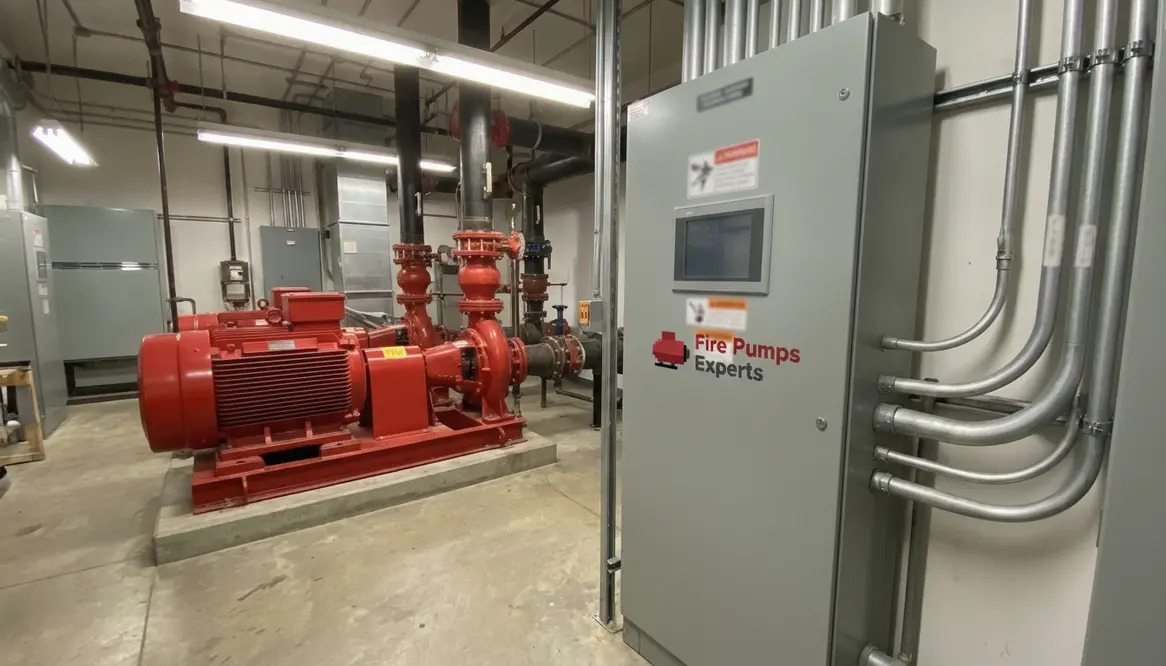
Reduced Voltage Fire Pump Starting When Is It Used
I see this question come up often in commercial and industrial projects, and for good reason. A reduced voltage fire pump starter can make a big difference when a building needs a fire pump that starts safely, smoothly, and without putting the electrical system through a wrestling match. In plain terms, it helps lower the starting current at startup. That matters when the power supply is tight, the service is sensitive, or the equipment room already feels like it is packed with enough drama to fill a season finale.
So, when do I actually recommend this approach? I use it when the building design, the utility capacity, or the electrical gear calls for a softer start, but the fire protection system still must perform fast and reliably. Now let us walk through the real reasons, the practical limits, and the situations where this solution makes sense.
What a reduced voltage fire pump starter does
I like to think of this starter as a calm hand on the shoulder. Instead of letting the fire pump motor pull full starting current at once, it lowers the initial voltage during startup. As a result, the motor comes online with less electrical stress, less mechanical shock, and less chance of upsetting other building loads.
This matters because fire pumps are not small motors. They can create a large inrush current, and that spike can strain transformers, feeders, and switchgear. Therefore, a reduced voltage fire pump starter helps the system breathe a little easier. It also helps reduce water hammer and sudden torque changes, which is a fancy way of saying it keeps the pump from kicking the piping like an angry mule.
When I use reduced voltage starting in commercial buildings
I usually consider this setup when the electrical service cannot handle a direct start without trouble. For example, I use it in large commercial buildings, industrial plants, warehouses, hospitals, data centers, and other major properties where the fire pump must fit into a larger electrical plan. In those places, one startup event can affect many systems at once.
Here are the most common cases where I see a reduced voltage fire pump starter fit well:
1. Limited electrical capacity
Sometimes the service size is tight, and the utility or the building design leaves little room for a high inrush event. In that case, reduced voltage starting helps prevent voltage drop that could bother other equipment.
2. Sensitive electrical systems
Some facilities run mission critical gear. If a large motor start could reset control systems, dim critical lighting, or create voltage issues, a softer start can be the smarter move.
3. Long feeder runs
When the fire pump sits far from the main service, voltage drop becomes a bigger concern. So, reduced voltage starting can help limit that stress during startup.
4. Large motor size
The larger the motor, the more likely I am to look at starting method options. Bigger motors can create bigger electrical headaches, and nobody wants that surprise on inspection day.
5. Coordination with building design
Sometimes the entire electrical system works better with a starter that lowers starting impact. That does not mean compromise. It means smart planning, which is the real superhero move here.
How I decide if it fits the project
Before I choose this starter, I look at the load study, available fault current, voltage drop, and the pump curve. I also check whether the starter can meet fire pump performance needs without slowing the motor too much. That part matters. A fire pump must deliver water quickly and reliably, so the starting method cannot get in the way of life safety.
Here is the practical rule I follow: if the building needs a starting method that reduces electrical stress, but still lets the pump get up to speed fast enough for code and system performance, then reduced voltage starting may be a fit. However, I never treat it as a one size fits all answer. Fire protection is not a place for guesswork, and “close enough” is not a design strategy.
Why code and equipment details matter
I always check the fire pump electrical requirements carefully, because the starter has to work with the rest of the system. If you want a deeper look at the electrical side, I recommend reading fire pump electrical requirements for commercial buildings. That resource helps connect the starter choice to the larger power design, which is where the real decisions happen.
Also, if you need a broader view of fire pump systems for major properties, I suggest reviewing los angeles fire pump solutions. It gives useful context for commercial and industrial facilities that need dependable protection without turning the electrical room into a circus.
Quick comparison of startup options
Here is a simple way I explain the difference to clients:
Dual column one
Direct start: full voltage, high inrush, simple setup, more stress on the electrical system.
Reduced voltage start: lower inrush, smoother startup, better for limited power systems.
Dual column two
Direct start works when the service is strong and the system can take the hit.
Reduced voltage starting works when the design needs more control and less strain.
FAQ
Conclusion
If you are planning a fire pump for a commercial or industrial facility, I recommend looking at the startup method early. A reduced voltage fire pump starter can solve real electrical problems, but only when the system design supports it. So, review the load, check the code, and match the starter to the project. If you need help making that call, reach out and let us guide the design before small issues turn into expensive ones.
Reduced Voltage Fire Pump Starting When Is It Used
I see this question come up often in commercial and industrial projects, and for good reason. A reduced voltage fire pump starter can make a big difference when a building needs a fire pump that starts safely, smoothly, and without putting the electrical system through a wrestling match. In plain terms, it helps lower the starting current at startup. That matters when the power supply is tight, the service is sensitive, or the equipment room already feels like it is packed with enough drama to fill a season finale.
So, when do I actually recommend this approach? I use it when the building design, the utility capacity, or the electrical gear calls for a softer start, but the fire protection system still must perform fast and reliably. Now let us walk through the real reasons, the practical limits, and the situations where this solution makes sense.
What a reduced voltage fire pump starter does
I like to think of this starter as a calm hand on the shoulder. Instead of letting the fire pump motor pull full starting current at once, it lowers the initial voltage during startup. As a result, the motor comes online with less electrical stress, less mechanical shock, and less chance of upsetting other building loads.
This matters because fire pumps are not small motors. They can create a large inrush current, and that spike can strain transformers, feeders, and switchgear. Therefore, a reduced voltage fire pump starter helps the system breathe a little easier. It also helps reduce water hammer and sudden torque changes, which is a fancy way of saying it keeps the pump from kicking the piping like an angry mule.
When I use reduced voltage starting in commercial buildings
I usually consider this setup when the electrical service cannot handle a direct start without trouble. For example, I use it in large commercial buildings, industrial plants, warehouses, hospitals, data centers, and other major properties where the fire pump must fit into a larger electrical plan. In those places, one startup event can affect many systems at once.
Here are the most common cases where I see a reduced voltage fire pump starter fit well:
1. Limited electrical capacity
Sometimes the service size is tight, and the utility or the building design leaves little room for a high inrush event. In that case, reduced voltage starting helps prevent voltage drop that could bother other equipment.
2. Sensitive electrical systems
Some facilities run mission critical gear. If a large motor start could reset control systems, dim critical lighting, or create voltage issues, a softer start can be the smarter move.
3. Long feeder runs
When the fire pump sits far from the main service, voltage drop becomes a bigger concern. So, reduced voltage starting can help limit that stress during startup.
4. Large motor size
The larger the motor, the more likely I am to look at starting method options. Bigger motors can create bigger electrical headaches, and nobody wants that surprise on inspection day.
5. Coordination with building design
Sometimes the entire electrical system works better with a starter that lowers starting impact. That does not mean compromise. It means smart planning, which is the real superhero move here.
How I decide if it fits the project
Before I choose this starter, I look at the load study, available fault current, voltage drop, and the pump curve. I also check whether the starter can meet fire pump performance needs without slowing the motor too much. That part matters. A fire pump must deliver water quickly and reliably, so the starting method cannot get in the way of life safety.
Here is the practical rule I follow: if the building needs a starting method that reduces electrical stress, but still lets the pump get up to speed fast enough for code and system performance, then reduced voltage starting may be a fit. However, I never treat it as a one size fits all answer. Fire protection is not a place for guesswork, and “close enough” is not a design strategy.
Why code and equipment details matter
I always check the fire pump electrical requirements carefully, because the starter has to work with the rest of the system. If you want a deeper look at the electrical side, I recommend reading fire pump electrical requirements for commercial buildings. That resource helps connect the starter choice to the larger power design, which is where the real decisions happen.
Also, if you need a broader view of fire pump systems for major properties, I suggest reviewing los angeles fire pump solutions. It gives useful context for commercial and industrial facilities that need dependable protection without turning the electrical room into a circus.
Quick comparison of startup options
Here is a simple way I explain the difference to clients:
Dual column one
Direct start: full voltage, high inrush, simple setup, more stress on the electrical system.
Reduced voltage start: lower inrush, smoother startup, better for limited power systems.
Dual column two
Direct start works when the service is strong and the system can take the hit.
Reduced voltage starting works when the design needs more control and less strain.
FAQ
Conclusion
If you are planning a fire pump for a commercial or industrial facility, I recommend looking at the startup method early. A reduced voltage fire pump starter can solve real electrical problems, but only when the system design supports it. So, review the load, check the code, and match the starter to the project. If you need help making that call, reach out and let us guide the design before small issues turn into expensive ones.