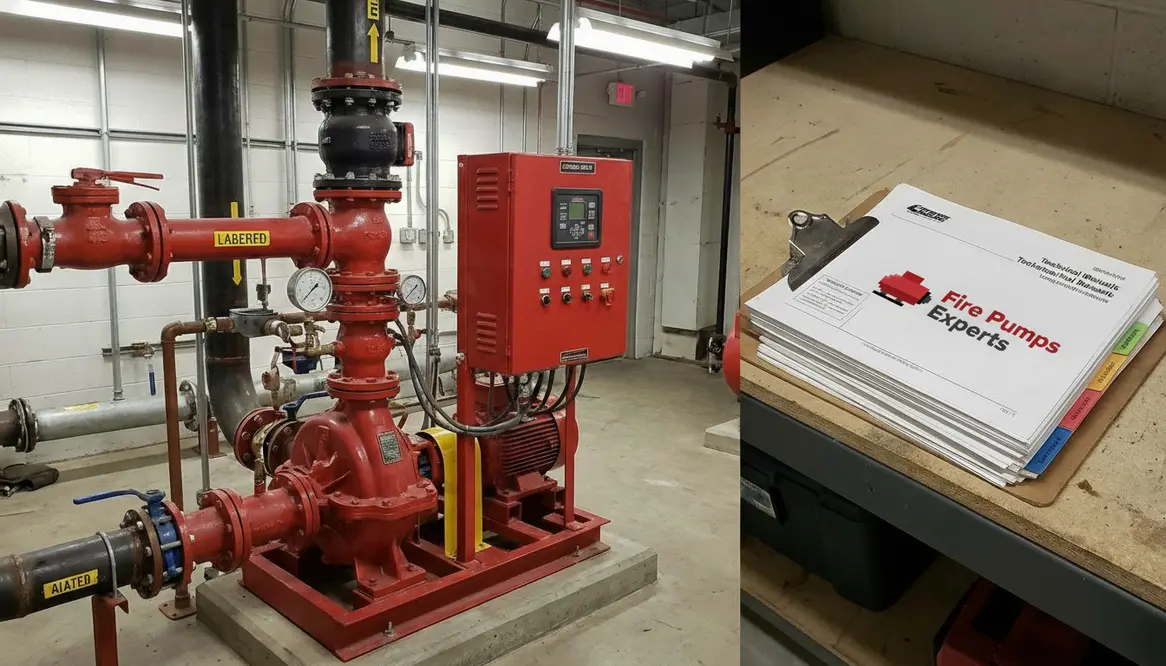
Fire Pump Code Guide for Global Fire Protection Projects
I have seen one truth hold steady across borders, towers, factories, and giant mixed use sites: a fire pump is only as good as the code that shapes it. That is where the fire pump code steps in. It sets the baseline for design, testing, installation, and ongoing care, so a pump does not fail when the pressure drops and the stakes rise. In global fire protection projects, I treat code compliance like the seatbelt and the airbag. Sure, nobody cheers for it at the start. Then trouble shows up, and suddenly everyone loves the person who read the manual.
For commercial and industrial facilities, and for major property buildings, the right code path can mean the difference between a clean approval and a very expensive pause. So, I break it down in plain language below.
Why the Code Matters in Global Projects
I always start with one simple idea: fire protection does not travel well unless you translate it correctly. A code in one country may not match a rule in another, and that gap can create delays, rework, and risk. Therefore, I check the local authority rules first, then I compare them with the project standard, and then I build the plan around the stricter requirement.
That approach matters because global sites often include high rise offices, logistics hubs, plants, data centers, and large retail assets. Each one has its own fire load, water demand, and approval path. In other words, the pump is not just a machine sitting in a room and looking important. It is a core life safety system that must fit the building, the water supply, and the code.
What I Check in a Fire Pump Code Review
When I review a project, I focus on the parts that most often create trouble later. First, I confirm the pump type and capacity. Then I look at the water source, suction conditions, controller setup, and power supply. After that, I verify room layout, access, drainage, and ventilation. Finally, I check testing and maintenance rules, because a pump that only works on paper is just a very polite decoration.
Design and sizing
I match the pump to the required flow and pressure for the protected area. If the building grows, the demand grows too. That is why I do not guess. I calculate.
Installation rules
I confirm clearances, pipe support, valve access, and controller location. Also, I make sure the room protects the equipment from heat, flooding, and unauthorized use. Yes, fire pump rooms do attract curious hands. People cannot resist a shiny control panel like it is a prop from a sci fi movie.
Testing and inspection
I plan for acceptance tests, flow tests, weekly checks, and annual service. Moreover, I make sure the records stay clean and easy to trace, because auditors love details almost as much as engineers love saying, “We should have caught that earlier.”
Dual Column View for Fast Project Use
Project Stage
Early design, code review, authority approval, installation, acceptance testing, operation, maintenance
What I Focus On
Code alignment, water supply, equipment rating, room conditions, test results, service logs
How I Handle Global Code Differences
I do not assume one code fits every site. Instead, I compare the project against the local rules and the accepted international standard used by the client or consultant team. For example, one market may place more weight on room construction, while another may focus harder on performance testing or power reliability. So, I build a matrix that shows every requirement, who owns it, and when it needs proof.
This step saves time later because it stops the classic project drama where one team says the system is ready and another team says, “Ready for what, exactly?” It also helps when I work with developers, contractors, fire engineers, and facility teams across different regions. Clear code mapping keeps everyone on the same page, which is rare enough in construction to deserve a small celebration.
Why Testing and Maintenance Cannot Be an Afterthought
A fire pump code does not end at installation. In fact, that is where the real discipline begins. I treat testing as proof that the system works under real conditions, not just under neat drawings and hopeful headlines. Regular inspection also catches wear, seal problems, controller faults, and water issues before they become serious.
For commercial and industrial facilities, this matters even more because downtime costs money fast. A failed pump can stop production, hurt tenant confidence, and create a major life safety gap. Therefore, I push for a service plan that includes documented checks, test records, and quick repair response. If a site runs around the clock, the pump must do the same. No coffee breaks. No excuses. Very little drama, ideally.
When a team follows the relevant fire pump code through the full life cycle, it turns the pump from an inspection headache into a quiet backbone for the entire protection strategy.
How I Use a Fire Pump Code Resource the Smart Way
When I need a practical reference, I look for a source that explains code needs in a way project teams can actually use. For that, I recommend reviewing the fire pump code guide for commercial and industrial fire protection projects. I use it as a starting point for code direction, then I still verify local authority rules and project specs before I move ahead.
This is especially useful on large properties where the fire pump supports more than one building, one tenant, or one process area. As a result, the team gets a clearer path from concept to approval, and the site gets a stronger life safety plan. When the chosen fire pump code is clear and well communicated, everyone from designers to operators understands what “good” actually looks like.
In global projects, that shared understanding turns arguments into checklists and surprises into scheduled tasks. The right reference keeps the project aligned, the budget under better control, and the approval team much less stressed.
FAQ
Conclusion
If I had to sum it up, I would say this: the right fire pump code keeps a project moving, keeps inspectors calm, and keeps people safer. So, if you manage a commercial or industrial site, or a major property building, take code review seriously from day one. I invite you to use a clear guide, check your local rules, and build your fire protection plan with confidence. The pump should be ready long before the alarm ever speaks.