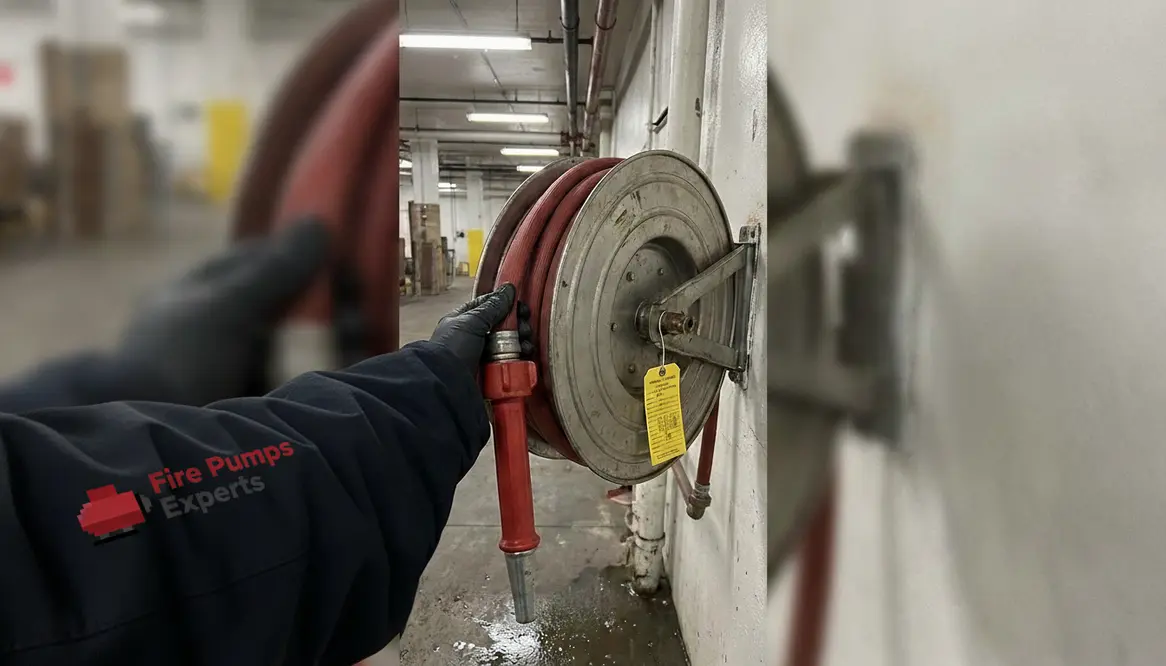
Fire Hose Reel Testing and Maintenance Readiness
When I talk about fire hose reel testing, I am talking about one of the simplest ways I help a commercial or industrial site stay ready when heat, smoke, and panic decide to show up uninvited. These reels sit quietly on the wall for most of the year, which is exactly why they deserve attention. A hose reel that looks fine can still fail under pressure, and that is the sort of surprise nobody wants on a Tuesday afternoon. So, I keep the process clear, practical, and steady, because safety should never feel like a guessing game.
Why I test fire hose reels on a set schedule
I test fire hose reels on a regular schedule because time, dust, vibration, and water pressure all take their toll. In a busy commercial or industrial building, equipment can age faster than people expect. A reel may rust at the fittings, jam at the spindle, or lose water flow without showing obvious signs. However, a proper test catches those issues before they become a problem.
I also check compliance needs, since major properties must stay ready for inspection. That matters for warehouses, office towers, manufacturing sites, and large facilities where a small fault can turn into a costly headache. And yes, this is the unglamorous side of safety. No dramatic movie soundtrack. Just solid, quiet work that helps the system do its job.
What I inspect during a fire hose reel test
When I carry out fire hose reel testing, I focus on the parts that affect real performance, not just the parts that look neat on the wall.
Dual view of my inspection process
Visual checks, operational checks, and mechanical checks all work together. If one part of the story is missing, the reel’s reliability is a coin toss.
The checks that actually matter
Visual checks
I look for damage, corrosion, leaks, faded labels, blocked access, and loose hardware. I also make sure the reel sits in a place that staff can reach fast. If someone has to move boxes, bins, or a mystery office chair pile first, that is not access. That is a problem wearing a disguise.
Operational checks
I confirm that the hose pulls out smoothly, the nozzle works, the valve opens properly, and the water supply delivers strong flow. I watch for kinks, drips, and stiffness in the hose. If the reel fights back like a bad action sequel, I know it needs attention.
Mechanical checks
I examine the drum, swivel joint, bearings, and fasteners. I also check for wear that could affect hose rewind or water delivery. A reel must rotate cleanly and return properly, because even a small snag can slow response during an emergency.
How I handle maintenance for reliable results
Maintenance is more than a quick wipe and a nod of approval. I clean the reel, remove dust and grime, and keep the area clear so the unit stays easy to use. Then I tighten fittings, replace worn parts, and fix leaks before they spread. If a hose shows cracks, stiffness, or flat spots, I treat that as a warning sign, not a cosmetic issue.
Next, I make sure the water supply stays dependable. Pressure can change, and flow can weaken if valves sit partly closed or if the system has hidden faults. Therefore, I test the full setup rather than assuming it will perform because it always has. The phrase “it worked last year” has caused more trouble than a villain in a summer blockbuster.
I also keep records. Good logs help me track trends, repeat faults, and service dates. That way, I do not just fix the same issue over and over like a sitcom rerun. I build a clear history that supports better planning and stronger safety control. In other words, fire hose reel testing becomes a system you can manage, not a task you react to after something goes wrong.
Why commercial and industrial sites need more than a basic check
Major properties face heavier use, tougher conditions, and more risk. In a factory, reels may sit near heat, dust, or moving equipment. In a large building, staff and visitors may crowd access points or block them without meaning to. As a result, I treat each site like its own case, not a copy and paste job with a fancy title.
That is also why I recommend working with a team that understands fire systems across larger facilities. For example, I often point people toward commercial fire safety support from Kord Fire when they need broader service insight alongside hose reel care. Likewise, if a site also needs pump support, I would review the los angeles fire pump service resource for related system performance needs. The goal is simple: make sure the full fire setup works as one unit, not as a collection of parts hoping for the best. When fire hose reel testing is aligned with the rest of the system, the entire response plan makes more sense under pressure.
My simple maintenance routine for better readiness
I keep the routine practical.
- I inspect the reel, test the hose, check water flow, confirm clear access, and record the results.
- Then I repair faults fast and schedule follow up work where needed.
- I also train building teams to report damage right away, because early reports save time and money.
- Small issues grow quietly, and then one day they show up like an uninvited guest with a camera crew.
FAQ
Straight answers help keep fire hose reel testing decisions consistent across teams, shifts, and sites.
Keeping readiness the boring way (which is the best way)
Fire hose reel testing works best when it is treated like a system: predictable, documented, and followed through with maintenance. That means you do the visual work, you confirm operation, you check mechanical condition, and you verify the water supply performs as expected. It also means you do not let access get cluttered over time, because “we will move it if we ever need it” is not a fire plan. The entire point is that everything stays ready long before any emergency makes demands.
When staff know what to report and schedules keep moving, issues get handled while they are still small. That is how a reel stops being a wall decoration and becomes a dependable tool. And if you ever need to scale up across a bigger facility, aligning fire hose reel testing with the broader fire system helps avoid mismatches that only show up when it counts. Simple routines, clear logs, and steady attention are what keep the system performing like it should.
Conclusion
If you manage a commercial or industrial property, I urge you to treat fire hose reel testing and maintenance as a non negotiable part of safety planning. I can help you catch faults early, protect people, and keep your site ready for the moments that matter most. So, if your reels have not been checked lately, now is the time to act. Book a proper inspection, keep the records tight, and give your fire protection system the respect it deserves.