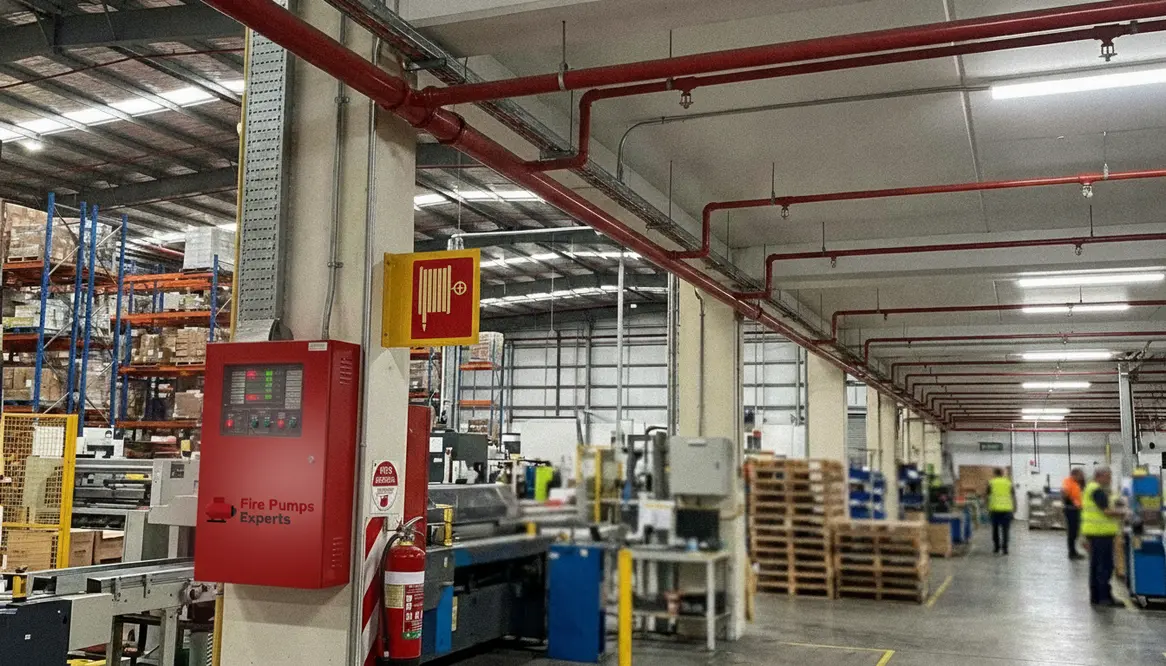
Industrial Fire Protection Systems Complete Guide
When I talk about industrial fire protection, I mean more than alarms and sprinklers. I mean a full safety plan that helps protect people, equipment, operations, and the kind of buildings that keep a business moving. In a factory, warehouse, plant, or major property, one small spark can turn into a very expensive headline. So, I take this topic seriously. At the same time, I know safety content can feel dry enough to crack paint, so I’ll keep it practical, clear, and just a little lively.
Here’s the short version: the right system does not just fight fire. It helps stop downtime, reduce damage, and protect the business that sits behind the walls. That matters, because a fire event can hit harder than a late season plot twist in a streaming drama.
What an industrial fire protection system includes
I usually break these systems into a few core parts. Each one has a job, and together they create a layered defense.
- Detection: smoke, heat, flame, and gas sensors spot danger early.
- Alarm: alerts tell people to act fast and guide safe evacuation.
- Suppression: sprinklers, foam, clean agent, water mist, and specialty systems control or stop the fire.
- Water supply: fire pumps, tanks, and mains keep pressure ready when it counts.
- Control systems: panels, valves, and monitoring tools coordinate the response.
- Emergency planning: routes, training, and drills help people move with purpose instead of panic.
For a commercial site, I always look at the fire load, the layout, and what sits inside the building. A paper warehouse needs a different setup than a lithium battery room or a heavy production floor. That is where real industrial fire protection earns its keep.
How I choose the right system for a facility
First, I assess the risk. Then I match the system to the building, the materials, and the way the operation runs each day. That sounds simple, but it takes real thought. For example, water works well in many places, yet some assets need foam or clean agent protection because water would create a bigger mess than the fire. Nobody wants the fire plan to become the new problem.
I also check these factors:
- building size and height
- type of stored goods or machinery
- heat, dust, or chemical exposure
- occupancy and shift patterns
- power needs and backup supply
- local code and insurance demands
And yes, I always think about how fast the system can respond. In fire safety, speed matters. A slow system is like sending a knight to a laser battle. Noble, but not useful.
Why design and maintenance matter
Industrial fire protection only works when the design fits the site and the maintenance stays on schedule. A system can look great on paper, but if it has poor water pressure, blocked heads, stale batteries, or a valve left shut, it will fail when you need it most.
So, I treat design and maintenance as one job, not two. Good design sets the system up for success. Regular testing keeps it honest. I look for clear access to equipment, strong water supply, correct nozzle placement, and smart zoning. After that, I focus on inspection routines, flow tests, pump checks, and alarm verification.
Here is a simple view of the difference:
Design helps the system fit the building.
Maintenance helps the system stay ready.
Dual column: Common system types and where I use them
Sprinkler systems
I use these for many warehouses, plants, and large commercial buildings. They handle general fire risk well and stay dependable.
Foam systems
I use these where flammable liquids or fuel risk is high. Foam helps smother fire and reduce vapor release.
Fire pumps
I use these when water supply needs more pressure or flow. They support the whole system, especially in large facilities. For more details, I often point people to the Kord Fire protection systems guide as a useful industry reference.
Clean agent systems
I use these for control rooms, data areas, and high value spaces where I want less cleanup after discharge.
Fire pumps and water supply in real life
Water supply can make or break a system. If pressure drops, coverage weakens. If flow is poor, suppression fails to perform. That is why I pay close attention to pumps, tanks, and supply lines. In large properties, these pieces keep the entire protection plan alive.
When a site needs strong pump support, I review demand, backup options, and reliability under stress. For a deeper look at pump solutions, I also recommend this los angeles fire pump resource. It helps explain what proper pump support should do in a commercial or industrial setting.
What I check during inspections and testing
I inspect systems on a schedule because fire safety does not run on wishful thinking. It runs on proof. During checks, I look at valves, alarms, gauges, pumps, heads, tanks, batteries, and control panels. I also test signal paths and confirm that the system talks to the right people at the right time.
Routine testing helps me catch small issues before they become expensive ones. A loose part today can become a shutdown tomorrow, and nobody wants that kind of surprise. Not even the boss who “just had a feeling everything was fine.”
FAQ
Quick answers for clear decisions
Conclusion
If you manage a plant, warehouse, or major commercial property, treat fire safety as a real business tool, not a box to check. Strong industrial fire protection protects people, assets, and uptime all at once. So, review your risks, test your systems, and fix weak points before fire does the teaching for you. If you want a safer site and fewer sleepless nights, now is the time to act.