Complete Guide to Commercial Fire Protection Systems
When I talk about commercial fire protection, I am not talking about a box on the wall and a prayer. I am talking about a full safety strategy that helps protect people, property, and business continuity when fire decides to ruin the day. In a commercial or industrial facility, one small spark can grow fast, and so can the damage. That is why I look at fire protection as a serious business tool, not just a legal requirement. It keeps operations moving, and frankly, it keeps everyone from starring in a disaster movie nobody asked for.
In this guide, I break down the main systems, how they work, and what I would focus on when planning protection for a major property. I also keep the language simple, because fire safety should be clear, not buried under fancy jargon that sounds like it came from a robot in a suit.
What a commercial fire protection system includes
A strong fire protection plan has three parts: detect, control, and suppress. First, detection systems find smoke, heat, or flame early. Then, alarms alert people so they can act fast. After that, suppression systems step in to slow or stop the fire. As a result, the building gets more time, and people get a safer path out.
Here is how the core pieces work together:
- Fire alarms: These warn occupants and trigger response steps.
- Smoke detectors: These catch signs of fire before it spreads.
- Sprinkler systems: These control heat and flames in key areas.
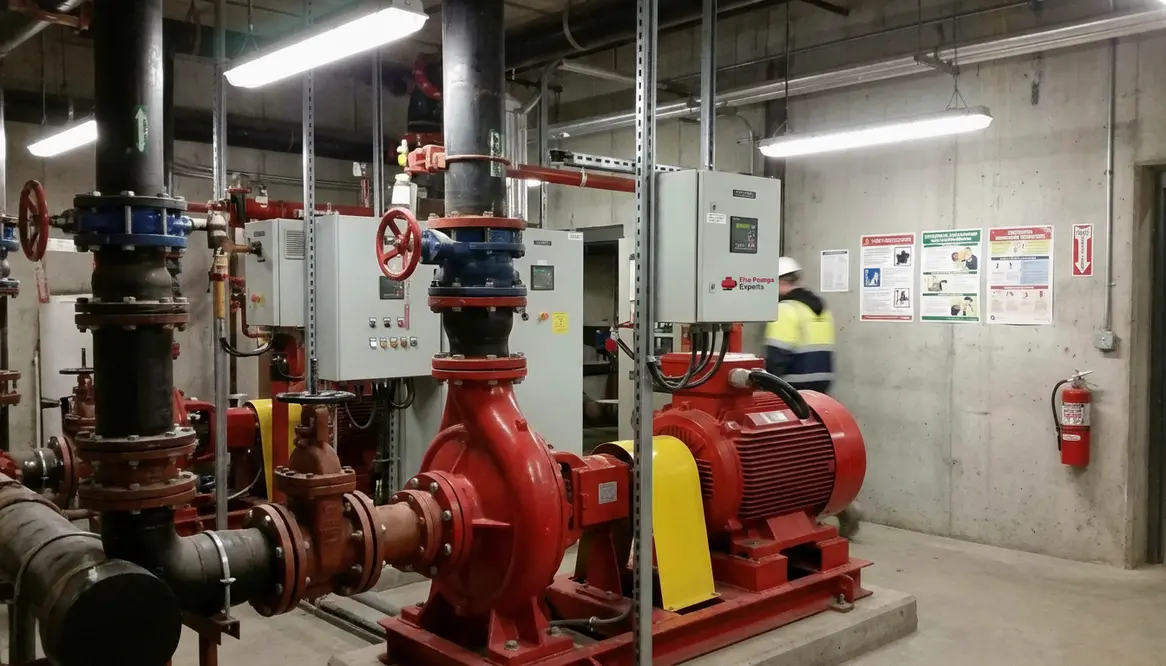
- Fire pumps: These keep water pressure strong in large buildings.
- Fire extinguishers: These help trained staff handle small fires quickly.
- Emergency lighting and exits: These guide people out when visibility drops.
Each part matters. However, they work best as a team. A single system is useful, but a layered setup gives much better protection. Think of it like a band. One guitarist is fine, but together they sound far less like someone practicing in the garage at midnight.
How I choose the right system for a facility
I always start with the building use. A warehouse, a high rise, and a manufacturing plant do not face the same risks. Next, I look at size, layout, ceiling height, storage type, and the kinds of materials inside. For example, a building with flammable liquids needs a different setup than a data center or office tower.
Then I check water supply, electrical load, and local code needs. This step matters a lot. If the system cannot perform under pressure, then it will look nice on paper and fail when things heat up, which is not exactly the kind of plot twist anyone wants.
Fire response is part of the plan
A plan is only as strong as the people using it. So when I think about commercial fire protection, I think about how occupants will move, where they will go, and how quickly they can act. The best designs still need calm direction and clear steps when alarms start doing their job.
That means training that matches the facility and drills that reduce confusion. Panic is a terrible project manager, and fire safety is a high stakes team sport.
Fire pump support for large properties
For large commercial and industrial sites, fire pumps often play a major role. They help maintain enough water pressure for sprinklers and standpipes, especially in tall or spread out buildings. Without proper pressure, even a well designed sprinkler system may underperform. That is why I treat the pump as a backbone, not a side note.
If you want to learn more about this part of the system, I would point you to this los angeles commercial fire pump service resource. It fits well for facilities that need reliable water flow across major property sizes.
Also, I like to review a trusted commercial fire protection systems overview when I compare options for complex sites. It helps keep the full picture in view, which is useful when you are managing more than one risk at once.
Why inspection and maintenance matter
Even the best system fails if nobody checks it. So, I always push for regular inspection, testing, and maintenance. Valves can stick. Sensors can drift. Sprinkler heads can get blocked. Batteries can die at the worst possible time, because of course they do.
Routine service helps find small issues before they turn into large ones. It also supports code compliance and keeps insurance concerns in check. In many facilities, I would schedule:
- Monthly visual checks
- Quarterly alarm and device testing
- Annual full system review
- Pump and water supply testing as required
When I build a maintenance plan, I focus on records too. Clear logs make it easier to track repairs, spot patterns, and prove that the system stays ready.
How response planning improves safety
A fire system is only one part of the job. People also need a plan. I always recommend trained staff, clear exit routes, and simple response steps. First, alert everyone. Then, contact emergency services. After that, guide people out and keep the area clear. Calm action saves lives.
Training should fit the facility. A small office needs a different drill than a large plant. Still, the goal stays the same: reduce confusion and move fast. When people know what to do, panic drops. That matters, because panic is a terrible project manager.
That is where commercial fire protection becomes more than equipment. It becomes readiness, habits, and a shared understanding that every alarm is information, not noise.
FAQs
Conclusion
If I were protecting a commercial or industrial property, I would never treat fire safety as a one time project. I would build the right system, test it often, and keep the response plan simple and clear. The right commercial fire protection setup protects people, supports code compliance, and helps business continue after an emergency. If your facility needs a stronger plan, now is the time to review your system and take action before fire makes the decision for you.