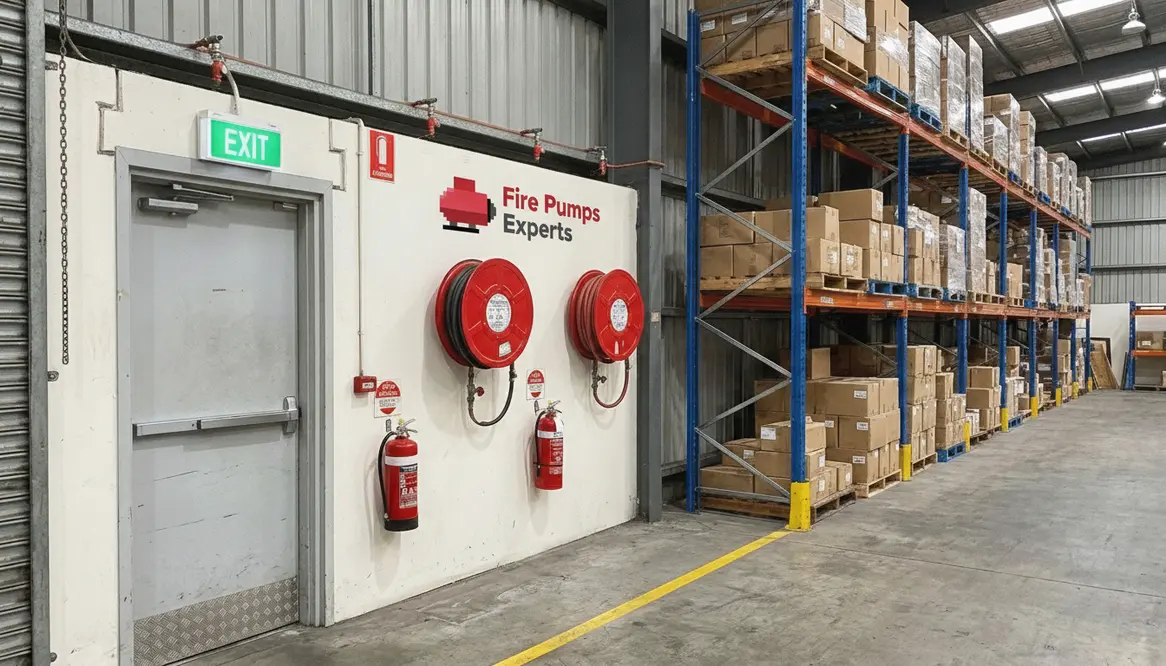
Warehouse Fire Protection Requirements in Australia
I have seen a lot of warehouse operators treat fire safety like a spare tyre: useful, yes, but only after something goes wrong. That is a risky way to run a site. In Australia, warehouse fire protection is not just about ticking boxes. It is about protecting staff, stock, equipment, and the whole business from a fast moving disaster. And in a place full of cartons, racking, packaging, and machinery, a small spark can turn into a headline nobody wants. So, let me walk you through what matters, what the rules expect, and how to stay ready without turning your warehouse into a sci fi bunker.
What Australian warehouse fire rules usually cover
Australian warehouse fire safety sits under a mix of building codes, Australian Standards, and local fire authority rules. I always tell people to start with the site risk, because no two warehouses behave the same. A cold storage site, for example, does not face the same fire load as a timber storage yard. Likewise, a high bay facility with deep racking needs a different approach from a simple distribution shed. The key is to match the system to the risk, not to copy what the site next door did because it looked impressive.
Most warehouses need some mix of the following:
- working fire exits and clear travel paths
- emergency lighting and exit signs
- fire extinguishers placed correctly
- hose reels or hydrants where required
- sprinkler systems for higher risk or larger sites
- fire alarms and detection systems
- regular inspections and maintenance records
These systems do more than satisfy an inspector. They buy time. And in a fire, time is the one thing you cannot order overnight, no matter how good your logistics team is.
How I plan warehouse fire protection for real risk
When I look at a warehouse, I focus on how the fire could start and how it could spread. That means I check storage height, rack layout, stock type, charging areas, hot works, and electrical loads. For example, lithium battery charging needs more attention than a lonely pallet of paper towels. Also, blocked exits and poor housekeeping can turn a small incident into a full scale evacuation. That is not drama. That is physics doing its thing.
Here is the short version of what I look at first:
Risk points I always check
- racking height and aisle width
- storage of flammable goods
- electrical boards and cable condition
- forklift charging and fuel areas
- sprinkler coverage under and above racking
- fire doors and exit access
- hot work permits
- site housekeeping and waste control
Once I know the risk, I can help match the right protection. That may include a fire pump, boosted water supply, better detection, or changes to storage layout. A strong system works best when the whole site supports it. Even the best sprinkler system cannot save the day if someone has stacked cartons like it is a game of Jenga from the underworld.
Why warehouse fire systems need regular checks
Fire systems age, fail, and drift out of spec if nobody watches them. So, I always push for routine testing and service. This includes alarms, pumps, sprinklers, extinguishers, emergency lighting, and any fire doors or dampers on site. If a system sits ignored for months, it may look fine until the one day it matters. Then, of course, it chooses chaos.
Regular maintenance also helps with compliance. In Australia, records matter. If an auditor, insurer, or fire authority asks for proof, you want clean logs, not a folder full of wishful thinking. I also recommend training staff so they know how to spot faults early. A wet patch under a pipe, a silent alarm panel, or a damaged extinguisher tag can all point to trouble.
What systems matter most for industrial and commercial sites
For larger commercial and industrial facilities, I usually look at a layered setup. That means one system does not carry all the weight. Detection gives early warning. Suppression limits spread. Water supply keeps the system alive. Exits move people out. Simple in theory. Powerful in practice.
For many major properties, a fire pump plays a big role because it keeps water pressure where it needs to be. If you want a deeper look at pump solutions, I suggest checking this los angeles fire pump guide for commercial sites. For broader support and system planning, I also use warehouse fire protection resources as a useful reference point for industrial fire safety needs.
FAQ
Conclusion
If you want your site to stay safe, compliant, and ready for the worst day nobody wants to imagine, I recommend acting early. Review your warehouse fire protection now, not after the first alarm. Better still, get a proper site assessment, fix the weak points, and keep your systems serviced. A warehouse that is ready today is a warehouse that can keep working tomorrow, and that is the kind of quiet win I like to see.