Quick answers to the questions that keep popping up when planning a warehouse fire sprinkler approach in Australia.
When does a warehouse need sprinkler protection in Australia?
Usually when the building size, class, storage height, or fire load triggers it under the NCC and relevant standards. In practice, the exact trigger depends on the warehouse configuration and the fire engineer’s assessment of the site risks.
What affects warehouse fire sprinkler design most?
Storage height, product type, ceiling height, and water supply. The system must match the real storage profile, including how materials behave when they ignite and how racking may affect spray patterns.
Do fire pumps matter for warehouses?
Yes. They help maintain the pressure and flow the system needs during an emergency. For many larger facilities, a reliable pumping setup is critical so the warehouse fire sprinkler network can perform as designed.
How often should sprinkler systems be checked?
They should be inspected and tested on a regular maintenance schedule. The goal is to catch blocked heads, damaged components, and water supply or pump issues before they become the kind of surprise no one wants.
Can I change warehouse storage without reviewing the system?
No. Any major layout or racking change should trigger a compliance review. Storage configuration can change fire behaviour and coverage, so the warehouse fire sprinkler design may need adjustment to stay compliant.
Conclusion
If I had to sum it up, I would say this: warehouse fire safety works best when planning, design, water supply, and maintenance all pull in the same direction. A warehouse fire sprinkler system is not just a box to tick. It is a core part of protecting stock, people, and business continuity. So if you manage a commercial or industrial site, take the next step now. Review your system, check your compliance, and talk to a fire protection specialist before small issues become very expensive lessons.
Why early planning saves money and stress
I always say this plainly: fire compliance is far cheaper than fire damage. A warehouse fire can stop orders, damage stock, and create repair costs that make accountants stare into the middle distance. Early planning helps me avoid rushed upgrades, failed inspections, and shutdowns. It also helps me match the fire sprinkler design to the real use of the building, not the use someone hoped it would have someday after three reorganizations and a “temporary” pallet zone.
For commercial and industrial properties, the smartest path is usually to bring in a fire protection specialist early, confirm the code triggers, review the water supply, and make sure the sprinkler system fits the storage profile. That way, the site stays safer, smoother to insure, and easier to manage over time. The outcome is a warehouse fire sprinkler system that behaves the way it was designed to behave, not the way luck feels on the day.
FAQ
Quick answers to the questions that keep popping up when planning a warehouse fire sprinkler approach in Australia.
Conclusion
If I had to sum it up, I would say this: warehouse fire safety works best when planning, design, water supply, and maintenance all pull in the same direction. A warehouse fire sprinkler system is not just a box to tick. It is a core part of protecting stock, people, and business continuity. So if you manage a commercial or industrial site, take the next step now. Review your system, check your compliance, and talk to a fire protection specialist before small issues become very expensive lessons.
Design needs
Correct sprinkler type
Proper spacing
Enough water pressure
Code compliant drawings
Site risks
High storage
Combustible goods
Blocked access
Change in racking or layout
Why early planning saves money and stress
I always say this plainly: fire compliance is far cheaper than fire damage. A warehouse fire can stop orders, damage stock, and create repair costs that make accountants stare into the middle distance. Early planning helps me avoid rushed upgrades, failed inspections, and shutdowns. It also helps me match the fire sprinkler design to the real use of the building, not the use someone hoped it would have someday after three reorganizations and a “temporary” pallet zone.
For commercial and industrial properties, the smartest path is usually to bring in a fire protection specialist early, confirm the code triggers, review the water supply, and make sure the sprinkler system fits the storage profile. That way, the site stays safer, smoother to insure, and easier to manage over time. The outcome is a warehouse fire sprinkler system that behaves the way it was designed to behave, not the way luck feels on the day.
FAQ
Quick answers to the questions that keep popping up when planning a warehouse fire sprinkler approach in Australia.
Conclusion
If I had to sum it up, I would say this: warehouse fire safety works best when planning, design, water supply, and maintenance all pull in the same direction. A warehouse fire sprinkler system is not just a box to tick. It is a core part of protecting stock, people, and business continuity. So if you manage a commercial or industrial site, take the next step now. Review your system, check your compliance, and talk to a fire protection specialist before small issues become very expensive lessons.
Design needs
Correct sprinkler type
Proper spacing
Enough water pressure
Code compliant drawings
Site risks
High storage
Combustible goods
Blocked access
Change in racking or layout
Why early planning saves money and stress
I always say this plainly: fire compliance is far cheaper than fire damage. A warehouse fire can stop orders, damage stock, and create repair costs that make accountants stare into the middle distance. Early planning helps me avoid rushed upgrades, failed inspections, and shutdowns. It also helps me match the fire sprinkler design to the real use of the building, not the use someone hoped it would have someday after three reorganizations and a “temporary” pallet zone.
For commercial and industrial properties, the smartest path is usually to bring in a fire protection specialist early, confirm the code triggers, review the water supply, and make sure the sprinkler system fits the storage profile. That way, the site stays safer, smoother to insure, and easier to manage over time. The outcome is a warehouse fire sprinkler system that behaves the way it was designed to behave, not the way luck feels on the day.
FAQ
Quick answers to the questions that keep popping up when planning a warehouse fire sprinkler approach in Australia.
Conclusion
If I had to sum it up, I would say this: warehouse fire safety works best when planning, design, water supply, and maintenance all pull in the same direction. A warehouse fire sprinkler system is not just a box to tick. It is a core part of protecting stock, people, and business continuity. So if you manage a commercial or industrial site, take the next step now. Review your system, check your compliance, and talk to a fire protection specialist before small issues become very expensive lessons.
Dual view: design needs on one side, site risks on the other
Design needs
Correct sprinkler type
Proper spacing
Enough water pressure
Code compliant drawings
Site risks
High storage
Combustible goods
Blocked access
Change in racking or layout
Why early planning saves money and stress
I always say this plainly: fire compliance is far cheaper than fire damage. A warehouse fire can stop orders, damage stock, and create repair costs that make accountants stare into the middle distance. Early planning helps me avoid rushed upgrades, failed inspections, and shutdowns. It also helps me match the fire sprinkler design to the real use of the building, not the use someone hoped it would have someday after three reorganizations and a “temporary” pallet zone.
For commercial and industrial properties, the smartest path is usually to bring in a fire protection specialist early, confirm the code triggers, review the water supply, and make sure the sprinkler system fits the storage profile. That way, the site stays safer, smoother to insure, and easier to manage over time. The outcome is a warehouse fire sprinkler system that behaves the way it was designed to behave, not the way luck feels on the day.
FAQ
Quick answers to the questions that keep popping up when planning a warehouse fire sprinkler approach in Australia.
Conclusion
If I had to sum it up, I would say this: warehouse fire safety works best when planning, design, water supply, and maintenance all pull in the same direction. A warehouse fire sprinkler system is not just a box to tick. It is a core part of protecting stock, people, and business continuity. So if you manage a commercial or industrial site, take the next step now. Review your system, check your compliance, and talk to a fire protection specialist before small issues become very expensive lessons.
What I would check during installation and maintenance
Once the system goes in, the job is not done. In fact, that is where the real discipline begins. I would expect routine inspection, testing, and maintenance to stay on schedule. A sprinkler head can get blocked by dust, damaged by impact, or affected by changes to storage layout. And warehouses love to change layout. One day it is pallets, the next day it is a maze that would confuse Indiana Jones.
So I would keep an eye on these areas:
System coverage
Racking changes can block spray patterns. Therefore, any storage upgrade should trigger a system review. This is where a warehouse fire sprinkler plan needs to stay aligned with real-world use, not just the original drawings.
Mechanical condition
Corrosion, leaks, and damaged pipework reduce performance. Also, these problems usually get worse quietly, which is very on brand for fire system faults. If a warehouse fire sprinkler network cannot deliver what it was designed to deliver, the whole compliance story becomes a sad sequel.
Alarm and monitoring
The system should alert the right people fast. A quiet failure helps nobody. In a warehouse, speed matters because early intervention can make the difference between a localized event and widespread heat damage.
Water and pump testing
Flow and pressure checks matter. If the pump cannot deliver, the sprinkler system cannot do its job. And yes, maintenance records are not paperwork for paperwork’s sake. They are the evidence that the warehouse fire sprinkler system is ready when it is actually needed.
Dual view: design needs on one side, site risks on the other
Design needs
Correct sprinkler type
Proper spacing
Enough water pressure
Code compliant drawings
Site risks
High storage
Combustible goods
Blocked access
Change in racking or layout
Why early planning saves money and stress
I always say this plainly: fire compliance is far cheaper than fire damage. A warehouse fire can stop orders, damage stock, and create repair costs that make accountants stare into the middle distance. Early planning helps me avoid rushed upgrades, failed inspections, and shutdowns. It also helps me match the fire sprinkler design to the real use of the building, not the use someone hoped it would have someday after three reorganizations and a “temporary” pallet zone.
For commercial and industrial properties, the smartest path is usually to bring in a fire protection specialist early, confirm the code triggers, review the water supply, and make sure the sprinkler system fits the storage profile. That way, the site stays safer, smoother to insure, and easier to manage over time. The outcome is a warehouse fire sprinkler system that behaves the way it was designed to behave, not the way luck feels on the day.
FAQ
Quick answers to the questions that keep popping up when planning a warehouse fire sprinkler approach in Australia.
Conclusion
If I had to sum it up, I would say this: warehouse fire safety works best when planning, design, water supply, and maintenance all pull in the same direction. A warehouse fire sprinkler system is not just a box to tick. It is a core part of protecting stock, people, and business continuity. So if you manage a commercial or industrial site, take the next step now. Review your system, check your compliance, and talk to a fire protection specialist before small issues become very expensive lessons.
For this reason, I would always check whether the site has a tested and maintained pumping setup, especially for large properties. If you want a deeper look at system support, I recommend reviewing los angeles fire pump solutions for industrial and commercial facilities. Also, for broader fire protection planning, you can see how Kord Fire protection services support larger sites that need reliable compliance and system care.
What I would check during installation and maintenance
Once the system goes in, the job is not done. In fact, that is where the real discipline begins. I would expect routine inspection, testing, and maintenance to stay on schedule. A sprinkler head can get blocked by dust, damaged by impact, or affected by changes to storage layout. And warehouses love to change layout. One day it is pallets, the next day it is a maze that would confuse Indiana Jones.
So I would keep an eye on these areas:
System coverage
Racking changes can block spray patterns. Therefore, any storage upgrade should trigger a system review. This is where a warehouse fire sprinkler plan needs to stay aligned with real-world use, not just the original drawings.
Mechanical condition
Corrosion, leaks, and damaged pipework reduce performance. Also, these problems usually get worse quietly, which is very on brand for fire system faults. If a warehouse fire sprinkler network cannot deliver what it was designed to deliver, the whole compliance story becomes a sad sequel.
Alarm and monitoring
The system should alert the right people fast. A quiet failure helps nobody. In a warehouse, speed matters because early intervention can make the difference between a localized event and widespread heat damage.
Water and pump testing
Flow and pressure checks matter. If the pump cannot deliver, the sprinkler system cannot do its job. And yes, maintenance records are not paperwork for paperwork’s sake. They are the evidence that the warehouse fire sprinkler system is ready when it is actually needed.
Dual view: design needs on one side, site risks on the other
Design needs
Correct sprinkler type
Proper spacing
Enough water pressure
Code compliant drawings
Site risks
High storage
Combustible goods
Blocked access
Change in racking or layout
Why early planning saves money and stress
I always say this plainly: fire compliance is far cheaper than fire damage. A warehouse fire can stop orders, damage stock, and create repair costs that make accountants stare into the middle distance. Early planning helps me avoid rushed upgrades, failed inspections, and shutdowns. It also helps me match the fire sprinkler design to the real use of the building, not the use someone hoped it would have someday after three reorganizations and a “temporary” pallet zone.
For commercial and industrial properties, the smartest path is usually to bring in a fire protection specialist early, confirm the code triggers, review the water supply, and make sure the sprinkler system fits the storage profile. That way, the site stays safer, smoother to insure, and easier to manage over time. The outcome is a warehouse fire sprinkler system that behaves the way it was designed to behave, not the way luck feels on the day.
FAQ
Quick answers to the questions that keep popping up when planning a warehouse fire sprinkler approach in Australia.
Conclusion
If I had to sum it up, I would say this: warehouse fire safety works best when planning, design, water supply, and maintenance all pull in the same direction. A warehouse fire sprinkler system is not just a box to tick. It is a core part of protecting stock, people, and business continuity. So if you manage a commercial or industrial site, take the next step now. Review your system, check your compliance, and talk to a fire protection specialist before small issues become very expensive lessons.
Why water supply and fire pumps matter so much
Here is where many warehouse projects either succeed or stumble. A sprinkler system is only as strong as the water behind it. If the pressure is weak or the flow drops too soon, the system loses bite. That is why fire pumps matter for major commercial and industrial facilities. They help deliver the pressure and flow the sprinkler network needs during an emergency.
For this reason, I would always check whether the site has a tested and maintained pumping setup, especially for large properties. If you want a deeper look at system support, I recommend reviewing los angeles fire pump solutions for industrial and commercial facilities. Also, for broader fire protection planning, you can see how Kord Fire protection services support larger sites that need reliable compliance and system care.
What I would check during installation and maintenance
Once the system goes in, the job is not done. In fact, that is where the real discipline begins. I would expect routine inspection, testing, and maintenance to stay on schedule. A sprinkler head can get blocked by dust, damaged by impact, or affected by changes to storage layout. And warehouses love to change layout. One day it is pallets, the next day it is a maze that would confuse Indiana Jones.
So I would keep an eye on these areas:
System coverage
Racking changes can block spray patterns. Therefore, any storage upgrade should trigger a system review. This is where a warehouse fire sprinkler plan needs to stay aligned with real-world use, not just the original drawings.
Mechanical condition
Corrosion, leaks, and damaged pipework reduce performance. Also, these problems usually get worse quietly, which is very on brand for fire system faults. If a warehouse fire sprinkler network cannot deliver what it was designed to deliver, the whole compliance story becomes a sad sequel.
Alarm and monitoring
The system should alert the right people fast. A quiet failure helps nobody. In a warehouse, speed matters because early intervention can make the difference between a localized event and widespread heat damage.
Water and pump testing
Flow and pressure checks matter. If the pump cannot deliver, the sprinkler system cannot do its job. And yes, maintenance records are not paperwork for paperwork’s sake. They are the evidence that the warehouse fire sprinkler system is ready when it is actually needed.
Dual view: design needs on one side, site risks on the other
Design needs
Correct sprinkler type
Proper spacing
Enough water pressure
Code compliant drawings
Site risks
High storage
Combustible goods
Blocked access
Change in racking or layout
Why early planning saves money and stress
I always say this plainly: fire compliance is far cheaper than fire damage. A warehouse fire can stop orders, damage stock, and create repair costs that make accountants stare into the middle distance. Early planning helps me avoid rushed upgrades, failed inspections, and shutdowns. It also helps me match the fire sprinkler design to the real use of the building, not the use someone hoped it would have someday after three reorganizations and a “temporary” pallet zone.
For commercial and industrial properties, the smartest path is usually to bring in a fire protection specialist early, confirm the code triggers, review the water supply, and make sure the sprinkler system fits the storage profile. That way, the site stays safer, smoother to insure, and easier to manage over time. The outcome is a warehouse fire sprinkler system that behaves the way it was designed to behave, not the way luck feels on the day.
FAQ
Quick answers to the questions that keep popping up when planning a warehouse fire sprinkler approach in Australia.
Conclusion
If I had to sum it up, I would say this: warehouse fire safety works best when planning, design, water supply, and maintenance all pull in the same direction. A warehouse fire sprinkler system is not just a box to tick. It is a core part of protecting stock, people, and business continuity. So if you manage a commercial or industrial site, take the next step now. Review your system, check your compliance, and talk to a fire protection specialist before small issues become very expensive lessons.
How I would assess compliance for a commercial warehouse
If I were checking a site for compliance, I would look at a few core points first:
Whether the building class triggers sprinkler requirements under the code
How high the storage goes and whether racking blocks spray coverage
What products are stored and how easily they burn
Whether the water supply can support the system demand
Whether pumps, valves, alarms, and monitoring all work together
From there, I would check the design documents against the installed system. A warehouse fire sprinkler system must do more than sit on the ceiling and hope for the best. It needs correct spacing, enough pressure, proper head selection, and a water supply that can keep up when the heat rises. If the system is poorly matched to the site, then even a fancy setup can fail like a movie trailer that promised action and delivered paperwork.
Why water supply and fire pumps matter so much
Here is where many warehouse projects either succeed or stumble. A sprinkler system is only as strong as the water behind it. If the pressure is weak or the flow drops too soon, the system loses bite. That is why fire pumps matter for major commercial and industrial facilities. They help deliver the pressure and flow the sprinkler network needs during an emergency.
For this reason, I would always check whether the site has a tested and maintained pumping setup, especially for large properties. If you want a deeper look at system support, I recommend reviewing los angeles fire pump solutions for industrial and commercial facilities. Also, for broader fire protection planning, you can see how Kord Fire protection services support larger sites that need reliable compliance and system care.
What I would check during installation and maintenance
Once the system goes in, the job is not done. In fact, that is where the real discipline begins. I would expect routine inspection, testing, and maintenance to stay on schedule. A sprinkler head can get blocked by dust, damaged by impact, or affected by changes to storage layout. And warehouses love to change layout. One day it is pallets, the next day it is a maze that would confuse Indiana Jones.
So I would keep an eye on these areas:
System coverage
Racking changes can block spray patterns. Therefore, any storage upgrade should trigger a system review. This is where a warehouse fire sprinkler plan needs to stay aligned with real-world use, not just the original drawings.
Mechanical condition
Corrosion, leaks, and damaged pipework reduce performance. Also, these problems usually get worse quietly, which is very on brand for fire system faults. If a warehouse fire sprinkler network cannot deliver what it was designed to deliver, the whole compliance story becomes a sad sequel.
Alarm and monitoring
The system should alert the right people fast. A quiet failure helps nobody. In a warehouse, speed matters because early intervention can make the difference between a localized event and widespread heat damage.
Water and pump testing
Flow and pressure checks matter. If the pump cannot deliver, the sprinkler system cannot do its job. And yes, maintenance records are not paperwork for paperwork’s sake. They are the evidence that the warehouse fire sprinkler system is ready when it is actually needed.
Dual view: design needs on one side, site risks on the other
Design needs
Correct sprinkler type
Proper spacing
Enough water pressure
Code compliant drawings
Site risks
High storage
Combustible goods
Blocked access
Change in racking or layout
Why early planning saves money and stress
I always say this plainly: fire compliance is far cheaper than fire damage. A warehouse fire can stop orders, damage stock, and create repair costs that make accountants stare into the middle distance. Early planning helps me avoid rushed upgrades, failed inspections, and shutdowns. It also helps me match the fire sprinkler design to the real use of the building, not the use someone hoped it would have someday after three reorganizations and a “temporary” pallet zone.
For commercial and industrial properties, the smartest path is usually to bring in a fire protection specialist early, confirm the code triggers, review the water supply, and make sure the sprinkler system fits the storage profile. That way, the site stays safer, smoother to insure, and easier to manage over time. The outcome is a warehouse fire sprinkler system that behaves the way it was designed to behave, not the way luck feels on the day.
FAQ
Quick answers to the questions that keep popping up when planning a warehouse fire sprinkler approach in Australia.
Conclusion
If I had to sum it up, I would say this: warehouse fire safety works best when planning, design, water supply, and maintenance all pull in the same direction. A warehouse fire sprinkler system is not just a box to tick. It is a core part of protecting stock, people, and business continuity. So if you manage a commercial or industrial site, take the next step now. Review your system, check your compliance, and talk to a fire protection specialist before small issues become very expensive lessons.
What Australia expects from warehouse fire sprinkler systems
In Australia, I would always start with the National Construction Code, along with the relevant Australian Standards. These rules set the baseline for when a sprinkler system is needed and how it must perform. Large warehouses, high fire load sites, and buildings with limited fire access often need more than basic detection. They need suppression that acts fast and keeps flames from spreading through the whole site like a bad sequel nobody asked for.
In practice, the system design depends on the building use, floor area, storage height, ceiling height, and the type of goods stored. A warehouse with paper products, plastics, or high stacked pallets faces a very different fire profile from a light storage shed. That is why a proper fire engineer or licensed fire protection specialist should assess the site early. I would not leave this to guesswork, because fire does not care about guesswork. It only cares about fuel.
How I would assess compliance for a commercial warehouse
If I were checking a site for compliance, I would look at a few core points first:
Whether the building class triggers sprinkler requirements under the code
How high the storage goes and whether racking blocks spray coverage
What products are stored and how easily they burn
Whether the water supply can support the system demand
Whether pumps, valves, alarms, and monitoring all work together
From there, I would check the design documents against the installed system. A warehouse fire sprinkler system must do more than sit on the ceiling and hope for the best. It needs correct spacing, enough pressure, proper head selection, and a water supply that can keep up when the heat rises. If the system is poorly matched to the site, then even a fancy setup can fail like a movie trailer that promised action and delivered paperwork.
Why water supply and fire pumps matter so much
Here is where many warehouse projects either succeed or stumble. A sprinkler system is only as strong as the water behind it. If the pressure is weak or the flow drops too soon, the system loses bite. That is why fire pumps matter for major commercial and industrial facilities. They help deliver the pressure and flow the sprinkler network needs during an emergency.
For this reason, I would always check whether the site has a tested and maintained pumping setup, especially for large properties. If you want a deeper look at system support, I recommend reviewing los angeles fire pump solutions for industrial and commercial facilities. Also, for broader fire protection planning, you can see how Kord Fire protection services support larger sites that need reliable compliance and system care.
What I would check during installation and maintenance
Once the system goes in, the job is not done. In fact, that is where the real discipline begins. I would expect routine inspection, testing, and maintenance to stay on schedule. A sprinkler head can get blocked by dust, damaged by impact, or affected by changes to storage layout. And warehouses love to change layout. One day it is pallets, the next day it is a maze that would confuse Indiana Jones.
So I would keep an eye on these areas:
System coverage
Racking changes can block spray patterns. Therefore, any storage upgrade should trigger a system review. This is where a warehouse fire sprinkler plan needs to stay aligned with real-world use, not just the original drawings.
Mechanical condition
Corrosion, leaks, and damaged pipework reduce performance. Also, these problems usually get worse quietly, which is very on brand for fire system faults. If a warehouse fire sprinkler network cannot deliver what it was designed to deliver, the whole compliance story becomes a sad sequel.
Alarm and monitoring
The system should alert the right people fast. A quiet failure helps nobody. In a warehouse, speed matters because early intervention can make the difference between a localized event and widespread heat damage.
Water and pump testing
Flow and pressure checks matter. If the pump cannot deliver, the sprinkler system cannot do its job. And yes, maintenance records are not paperwork for paperwork’s sake. They are the evidence that the warehouse fire sprinkler system is ready when it is actually needed.
Dual view: design needs on one side, site risks on the other
Design needs
Correct sprinkler type
Proper spacing
Enough water pressure
Code compliant drawings
Site risks
High storage
Combustible goods
Blocked access
Change in racking or layout
Why early planning saves money and stress
I always say this plainly: fire compliance is far cheaper than fire damage. A warehouse fire can stop orders, damage stock, and create repair costs that make accountants stare into the middle distance. Early planning helps me avoid rushed upgrades, failed inspections, and shutdowns. It also helps me match the fire sprinkler design to the real use of the building, not the use someone hoped it would have someday after three reorganizations and a “temporary” pallet zone.
For commercial and industrial properties, the smartest path is usually to bring in a fire protection specialist early, confirm the code triggers, review the water supply, and make sure the sprinkler system fits the storage profile. That way, the site stays safer, smoother to insure, and easier to manage over time. The outcome is a warehouse fire sprinkler system that behaves the way it was designed to behave, not the way luck feels on the day.
FAQ
Quick answers to the questions that keep popping up when planning a warehouse fire sprinkler approach in Australia.
Conclusion
If I had to sum it up, I would say this: warehouse fire safety works best when planning, design, water supply, and maintenance all pull in the same direction. A warehouse fire sprinkler system is not just a box to tick. It is a core part of protecting stock, people, and business continuity. So if you manage a commercial or industrial site, take the next step now. Review your system, check your compliance, and talk to a fire protection specialist before small issues become very expensive lessons.
Warehouse Fire Sprinkler Requirements in Australia
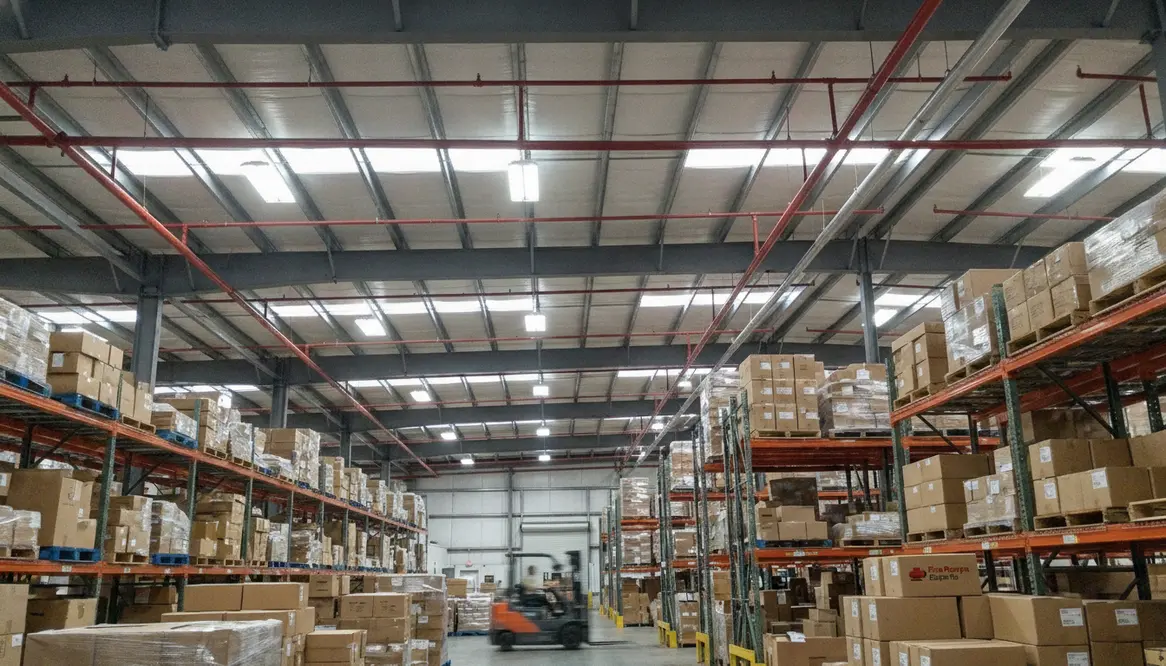
When I walk through a warehouse, I never just see racks, forklifts, and boxes stacked like a scene from a very busy chess game. I see risk, too. A warehouse fire sprinkler system can make the difference between a small incident and a full scale disaster that eats inventory, halts trade, and turns a normal workday into a headline nobody wants. In Australia, the rules are not random. They follow building codes, fire safety standards, and site specific risk needs. So, if you manage a commercial or industrial facility, I’d treat this as must know territory, not optional homework.
And yes, fire safety can sound dry. But so did dial up internet, and look how that story ended.
What Australia expects from warehouse fire sprinkler systems
In Australia, I would always start with the National Construction Code, along with the relevant Australian Standards. These rules set the baseline for when a sprinkler system is needed and how it must perform. Large warehouses, high fire load sites, and buildings with limited fire access often need more than basic detection. They need suppression that acts fast and keeps flames from spreading through the whole site like a bad sequel nobody asked for.
In practice, the system design depends on the building use, floor area, storage height, ceiling height, and the type of goods stored. A warehouse with paper products, plastics, or high stacked pallets faces a very different fire profile from a light storage shed. That is why a proper fire engineer or licensed fire protection specialist should assess the site early. I would not leave this to guesswork, because fire does not care about guesswork. It only cares about fuel.
How I would assess compliance for a commercial warehouse
If I were checking a site for compliance, I would look at a few core points first:
Whether the building class triggers sprinkler requirements under the code
How high the storage goes and whether racking blocks spray coverage
What products are stored and how easily they burn
Whether the water supply can support the system demand
Whether pumps, valves, alarms, and monitoring all work together
From there, I would check the design documents against the installed system. A warehouse fire sprinkler system must do more than sit on the ceiling and hope for the best. It needs correct spacing, enough pressure, proper head selection, and a water supply that can keep up when the heat rises. If the system is poorly matched to the site, then even a fancy setup can fail like a movie trailer that promised action and delivered paperwork.
Why water supply and fire pumps matter so much
Here is where many warehouse projects either succeed or stumble. A sprinkler system is only as strong as the water behind it. If the pressure is weak or the flow drops too soon, the system loses bite. That is why fire pumps matter for major commercial and industrial facilities. They help deliver the pressure and flow the sprinkler network needs during an emergency.
For this reason, I would always check whether the site has a tested and maintained pumping setup, especially for large properties. If you want a deeper look at system support, I recommend reviewing los angeles fire pump solutions for industrial and commercial facilities. Also, for broader fire protection planning, you can see how Kord Fire protection services support larger sites that need reliable compliance and system care.
What I would check during installation and maintenance
Once the system goes in, the job is not done. In fact, that is where the real discipline begins. I would expect routine inspection, testing, and maintenance to stay on schedule. A sprinkler head can get blocked by dust, damaged by impact, or affected by changes to storage layout. And warehouses love to change layout. One day it is pallets, the next day it is a maze that would confuse Indiana Jones.
So I would keep an eye on these areas:
System coverage
Racking changes can block spray patterns. Therefore, any storage upgrade should trigger a system review. This is where a warehouse fire sprinkler plan needs to stay aligned with real-world use, not just the original drawings.
Mechanical condition
Corrosion, leaks, and damaged pipework reduce performance. Also, these problems usually get worse quietly, which is very on brand for fire system faults. If a warehouse fire sprinkler network cannot deliver what it was designed to deliver, the whole compliance story becomes a sad sequel.
Alarm and monitoring
The system should alert the right people fast. A quiet failure helps nobody. In a warehouse, speed matters because early intervention can make the difference between a localized event and widespread heat damage.
Water and pump testing
Flow and pressure checks matter. If the pump cannot deliver, the sprinkler system cannot do its job. And yes, maintenance records are not paperwork for paperwork’s sake. They are the evidence that the warehouse fire sprinkler system is ready when it is actually needed.
Dual view: design needs on one side, site risks on the other
Design needs
Correct sprinkler type
Proper spacing
Enough water pressure
Code compliant drawings
Site risks
High storage
Combustible goods
Blocked access
Change in racking or layout
Why early planning saves money and stress
I always say this plainly: fire compliance is far cheaper than fire damage. A warehouse fire can stop orders, damage stock, and create repair costs that make accountants stare into the middle distance. Early planning helps me avoid rushed upgrades, failed inspections, and shutdowns. It also helps me match the fire sprinkler design to the real use of the building, not the use someone hoped it would have someday after three reorganizations and a “temporary” pallet zone.
For commercial and industrial properties, the smartest path is usually to bring in a fire protection specialist early, confirm the code triggers, review the water supply, and make sure the sprinkler system fits the storage profile. That way, the site stays safer, smoother to insure, and easier to manage over time. The outcome is a warehouse fire sprinkler system that behaves the way it was designed to behave, not the way luck feels on the day.
FAQ
Quick answers to the questions that keep popping up when planning a warehouse fire sprinkler approach in Australia.
Conclusion
If I had to sum it up, I would say this: warehouse fire safety works best when planning, design, water supply, and maintenance all pull in the same direction. A warehouse fire sprinkler system is not just a box to tick. It is a core part of protecting stock, people, and business continuity. So if you manage a commercial or industrial site, take the next step now. Review your system, check your compliance, and talk to a fire protection specialist before small issues become very expensive lessons.
Warehouse Fire Sprinkler Requirements in Australia
When I walk through a warehouse, I never just see racks, forklifts, and boxes stacked like a scene from a very busy chess game. I see risk, too. A warehouse fire sprinkler system can make the difference between a small incident and a full scale disaster that eats inventory, halts trade, and turns a normal workday into a headline nobody wants. In Australia, the rules are not random. They follow building codes, fire safety standards, and site specific risk needs. So, if you manage a commercial or industrial facility, I’d treat this as must know territory, not optional homework.
And yes, fire safety can sound dry. But so did dial up internet, and look how that story ended.
What Australia expects from warehouse fire sprinkler systems
In Australia, I would always start with the National Construction Code, along with the relevant Australian Standards. These rules set the baseline for when a sprinkler system is needed and how it must perform. Large warehouses, high fire load sites, and buildings with limited fire access often need more than basic detection. They need suppression that acts fast and keeps flames from spreading through the whole site like a bad sequel nobody asked for.
In practice, the system design depends on the building use, floor area, storage height, ceiling height, and the type of goods stored. A warehouse with paper products, plastics, or high stacked pallets faces a very different fire profile from a light storage shed. That is why a proper fire engineer or licensed fire protection specialist should assess the site early. I would not leave this to guesswork, because fire does not care about guesswork. It only cares about fuel.
How I would assess compliance for a commercial warehouse
If I were checking a site for compliance, I would look at a few core points first:
Whether the building class triggers sprinkler requirements under the code
How high the storage goes and whether racking blocks spray coverage
What products are stored and how easily they burn
Whether the water supply can support the system demand
Whether pumps, valves, alarms, and monitoring all work together
From there, I would check the design documents against the installed system. A warehouse fire sprinkler system must do more than sit on the ceiling and hope for the best. It needs correct spacing, enough pressure, proper head selection, and a water supply that can keep up when the heat rises. If the system is poorly matched to the site, then even a fancy setup can fail like a movie trailer that promised action and delivered paperwork.
Why water supply and fire pumps matter so much
Here is where many warehouse projects either succeed or stumble. A sprinkler system is only as strong as the water behind it. If the pressure is weak or the flow drops too soon, the system loses bite. That is why fire pumps matter for major commercial and industrial facilities. They help deliver the pressure and flow the sprinkler network needs during an emergency.
For this reason, I would always check whether the site has a tested and maintained pumping setup, especially for large properties. If you want a deeper look at system support, I recommend reviewing los angeles fire pump solutions for industrial and commercial facilities. Also, for broader fire protection planning, you can see how Kord Fire protection services support larger sites that need reliable compliance and system care.
What I would check during installation and maintenance
Once the system goes in, the job is not done. In fact, that is where the real discipline begins. I would expect routine inspection, testing, and maintenance to stay on schedule. A sprinkler head can get blocked by dust, damaged by impact, or affected by changes to storage layout. And warehouses love to change layout. One day it is pallets, the next day it is a maze that would confuse Indiana Jones.
So I would keep an eye on these areas:
System coverage
Racking changes can block spray patterns. Therefore, any storage upgrade should trigger a system review. This is where a warehouse fire sprinkler plan needs to stay aligned with real-world use, not just the original drawings.
Mechanical condition
Corrosion, leaks, and damaged pipework reduce performance. Also, these problems usually get worse quietly, which is very on brand for fire system faults. If a warehouse fire sprinkler network cannot deliver what it was designed to deliver, the whole compliance story becomes a sad sequel.
Alarm and monitoring
The system should alert the right people fast. A quiet failure helps nobody. In a warehouse, speed matters because early intervention can make the difference between a localized event and widespread heat damage.
Water and pump testing
Flow and pressure checks matter. If the pump cannot deliver, the sprinkler system cannot do its job. And yes, maintenance records are not paperwork for paperwork’s sake. They are the evidence that the warehouse fire sprinkler system is ready when it is actually needed.
Dual view: design needs on one side, site risks on the other
Design needs
Correct sprinkler type
Proper spacing
Enough water pressure
Code compliant drawings
Site risks
High storage
Combustible goods
Blocked access
Change in racking or layout
Why early planning saves money and stress
I always say this plainly: fire compliance is far cheaper than fire damage. A warehouse fire can stop orders, damage stock, and create repair costs that make accountants stare into the middle distance. Early planning helps me avoid rushed upgrades, failed inspections, and shutdowns. It also helps me match the fire sprinkler design to the real use of the building, not the use someone hoped it would have someday after three reorganizations and a “temporary” pallet zone.
For commercial and industrial properties, the smartest path is usually to bring in a fire protection specialist early, confirm the code triggers, review the water supply, and make sure the sprinkler system fits the storage profile. That way, the site stays safer, smoother to insure, and easier to manage over time. The outcome is a warehouse fire sprinkler system that behaves the way it was designed to behave, not the way luck feels on the day.
FAQ
Quick answers to the questions that keep popping up when planning a warehouse fire sprinkler approach in Australia.
Conclusion
If I had to sum it up, I would say this: warehouse fire safety works best when planning, design, water supply, and maintenance all pull in the same direction. A warehouse fire sprinkler system is not just a box to tick. It is a core part of protecting stock, people, and business continuity. So if you manage a commercial or industrial site, take the next step now. Review your system, check your compliance, and talk to a fire protection specialist before small issues become very expensive lessons.
Warehouse Fire Sprinkler Requirements in Australia
When I walk through a warehouse, I never just see racks, forklifts, and boxes stacked like a scene from a very busy chess game. I see risk, too. A warehouse fire sprinkler system can make the difference between a small incident and a full scale disaster that eats inventory, halts trade, and turns a normal workday into a headline nobody wants. In Australia, the rules are not random. They follow building codes, fire safety standards, and site specific risk needs. So, if you manage a commercial or industrial facility, I’d treat this as must know territory, not optional homework.
And yes, fire safety can sound dry. But so did dial up internet, and look how that story ended.
What Australia expects from warehouse fire sprinkler systems
In Australia, I would always start with the National Construction Code, along with the relevant Australian Standards. These rules set the baseline for when a sprinkler system is needed and how it must perform. Large warehouses, high fire load sites, and buildings with limited fire access often need more than basic detection. They need suppression that acts fast and keeps flames from spreading through the whole site like a bad sequel nobody asked for.
In practice, the system design depends on the building use, floor area, storage height, ceiling height, and the type of goods stored. A warehouse with paper products, plastics, or high stacked pallets faces a very different fire profile from a light storage shed. That is why a proper fire engineer or licensed fire protection specialist should assess the site early. I would not leave this to guesswork, because fire does not care about guesswork. It only cares about fuel.
How I would assess compliance for a commercial warehouse
If I were checking a site for compliance, I would look at a few core points first:
Whether the building class triggers sprinkler requirements under the code
How high the storage goes and whether racking blocks spray coverage
What products are stored and how easily they burn
Whether the water supply can support the system demand
Whether pumps, valves, alarms, and monitoring all work together
From there, I would check the design documents against the installed system. A warehouse fire sprinkler system must do more than sit on the ceiling and hope for the best. It needs correct spacing, enough pressure, proper head selection, and a water supply that can keep up when the heat rises. If the system is poorly matched to the site, then even a fancy setup can fail like a movie trailer that promised action and delivered paperwork.
Why water supply and fire pumps matter so much
Here is where many warehouse projects either succeed or stumble. A sprinkler system is only as strong as the water behind it. If the pressure is weak or the flow drops too soon, the system loses bite. That is why fire pumps matter for major commercial and industrial facilities. They help deliver the pressure and flow the sprinkler network needs during an emergency.
For this reason, I would always check whether the site has a tested and maintained pumping setup, especially for large properties. If you want a deeper look at system support, I recommend reviewing los angeles fire pump solutions for industrial and commercial facilities. Also, for broader fire protection planning, you can see how Kord Fire protection services support larger sites that need reliable compliance and system care.
What I would check during installation and maintenance
Once the system goes in, the job is not done. In fact, that is where the real discipline begins. I would expect routine inspection, testing, and maintenance to stay on schedule. A sprinkler head can get blocked by dust, damaged by impact, or affected by changes to storage layout. And warehouses love to change layout. One day it is pallets, the next day it is a maze that would confuse Indiana Jones.
So I would keep an eye on these areas:
System coverage
Racking changes can block spray patterns. Therefore, any storage upgrade should trigger a system review. This is where a warehouse fire sprinkler plan needs to stay aligned with real-world use, not just the original drawings.
Mechanical condition
Corrosion, leaks, and damaged pipework reduce performance. Also, these problems usually get worse quietly, which is very on brand for fire system faults. If a warehouse fire sprinkler network cannot deliver what it was designed to deliver, the whole compliance story becomes a sad sequel.
Alarm and monitoring
The system should alert the right people fast. A quiet failure helps nobody. In a warehouse, speed matters because early intervention can make the difference between a localized event and widespread heat damage.
Water and pump testing
Flow and pressure checks matter. If the pump cannot deliver, the sprinkler system cannot do its job. And yes, maintenance records are not paperwork for paperwork’s sake. They are the evidence that the warehouse fire sprinkler system is ready when it is actually needed.
Dual view: design needs on one side, site risks on the other
Design needs
Correct sprinkler type
Proper spacing
Enough water pressure
Code compliant drawings
Site risks
High storage
Combustible goods
Blocked access
Change in racking or layout
Why early planning saves money and stress
I always say this plainly: fire compliance is far cheaper than fire damage. A warehouse fire can stop orders, damage stock, and create repair costs that make accountants stare into the middle distance. Early planning helps me avoid rushed upgrades, failed inspections, and shutdowns. It also helps me match the fire sprinkler design to the real use of the building, not the use someone hoped it would have someday after three reorganizations and a “temporary” pallet zone.
For commercial and industrial properties, the smartest path is usually to bring in a fire protection specialist early, confirm the code triggers, review the water supply, and make sure the sprinkler system fits the storage profile. That way, the site stays safer, smoother to insure, and easier to manage over time. The outcome is a warehouse fire sprinkler system that behaves the way it was designed to behave, not the way luck feels on the day.
FAQ
Quick answers to the questions that keep popping up when planning a warehouse fire sprinkler approach in Australia.
Conclusion
If I had to sum it up, I would say this: warehouse fire safety works best when planning, design, water supply, and maintenance all pull in the same direction. A warehouse fire sprinkler system is not just a box to tick. It is a core part of protecting stock, people, and business continuity. So if you manage a commercial or industrial site, take the next step now. Review your system, check your compliance, and talk to a fire protection specialist before small issues become very expensive lessons.